 On site
Berns Garden Center
Middletown, OH
9options
Listed as “Panicum | Heavy Metal Switchgrass - 1 Gallon”
Variety not confirmed1 galOne of 9 nursery listingsCall for pricing
Catalog checked Nov 15, 2026. Confirm availability before visiting.
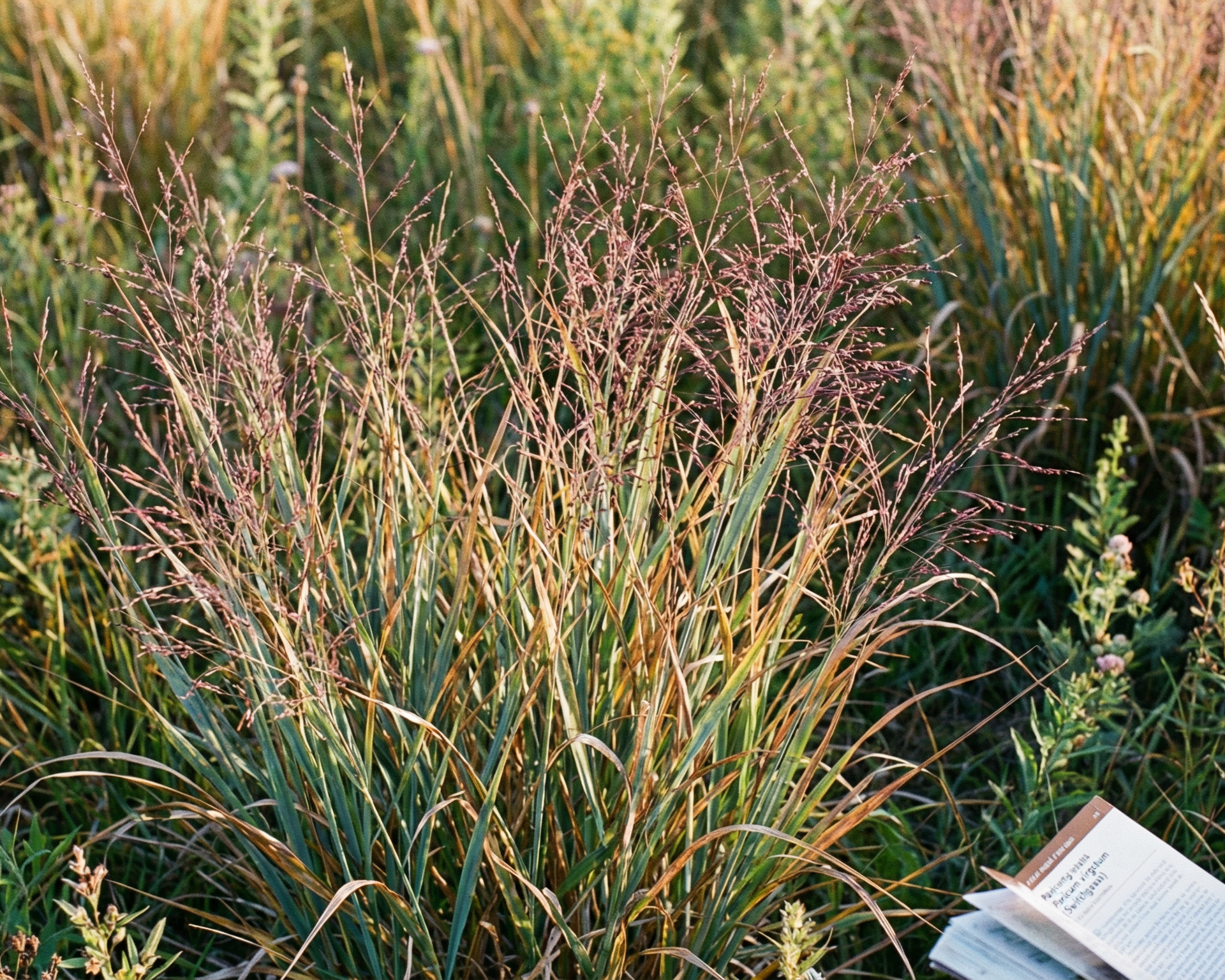
Panicum spp.
Panicum, commonly known as panic grass, is a diverse genus of grasses belonging to the Poaceae family. This large genus comprises approximately 250 species, which are predominantly found in the tropical and warm temperate regions of the world. Read more
32 nurseries · 141 matching options
On siteMiddletown, OH
9options
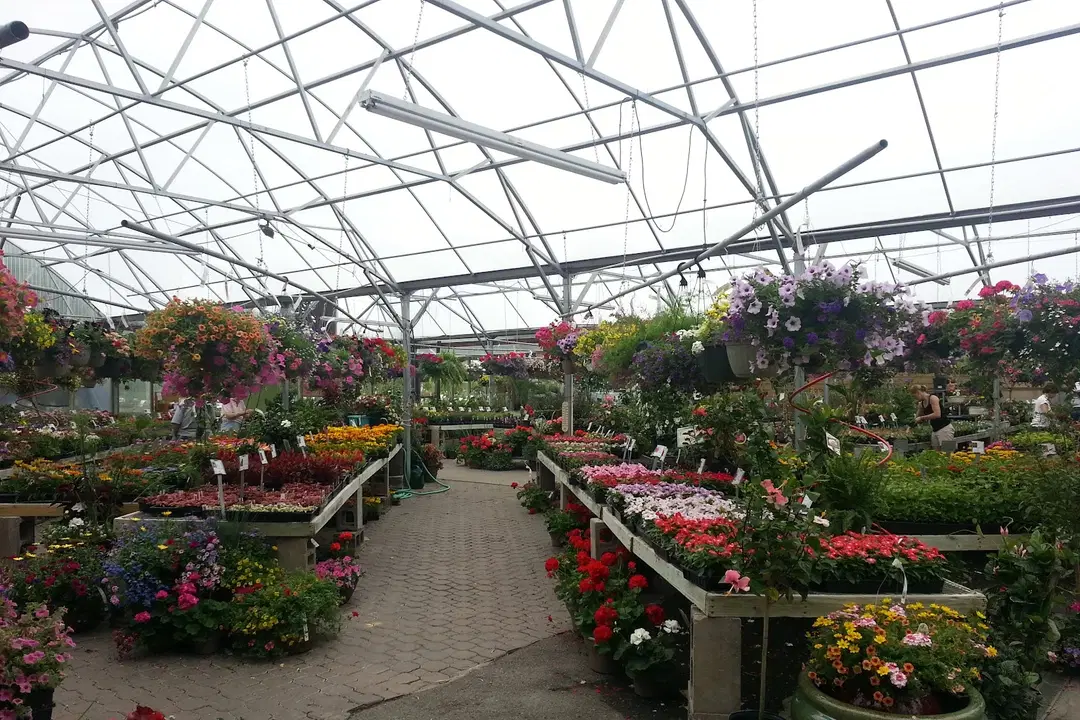
Listed as “Panicum | Heavy Metal Switchgrass - 1 Gallon”
Call for pricing
Catalog checked Nov 15, 2026. Confirm availability before visiting.
 On site
Lincoln, NE
10options
Listed as “Grass, Switchgrass Northwind”
From $19.98
Catalog checked Nov 15, 2026. Confirm availability before visiting.
 On site
Silverton, OR
1option
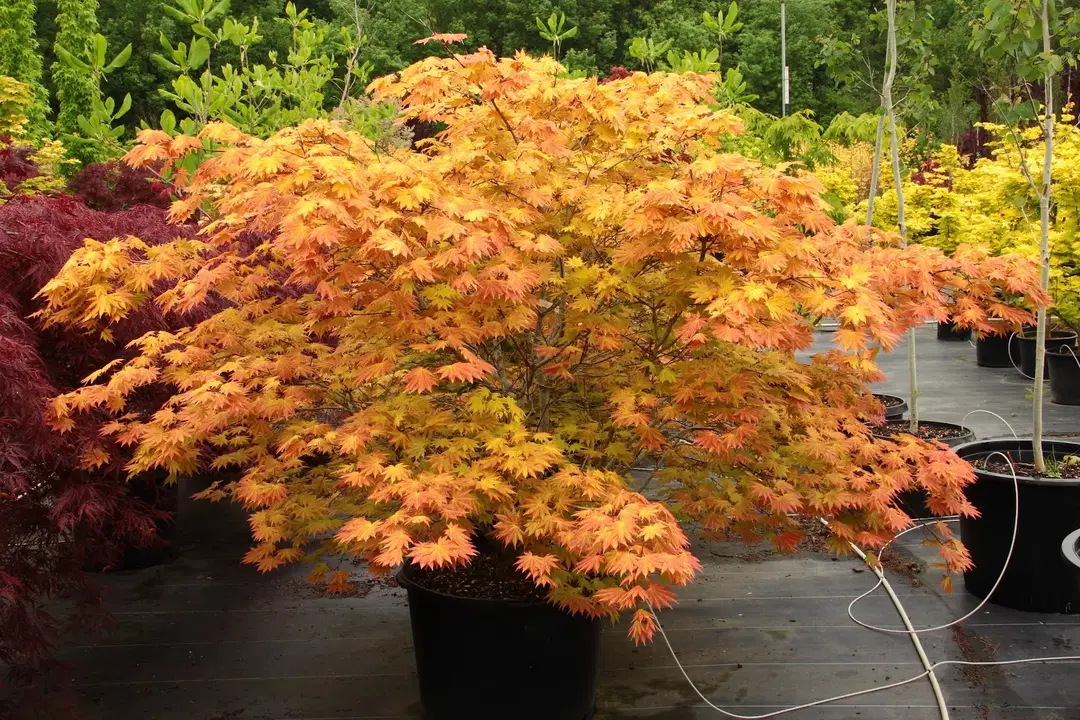
Listed as “Panicum virgatum ‘Ruby Ribbons’ PP#17,944 Prairie Switchgrass”
Call for pricing
Catalog checked Sep 29, 2026. Confirm availability before visiting.
 On site
Bolton, CT
10options
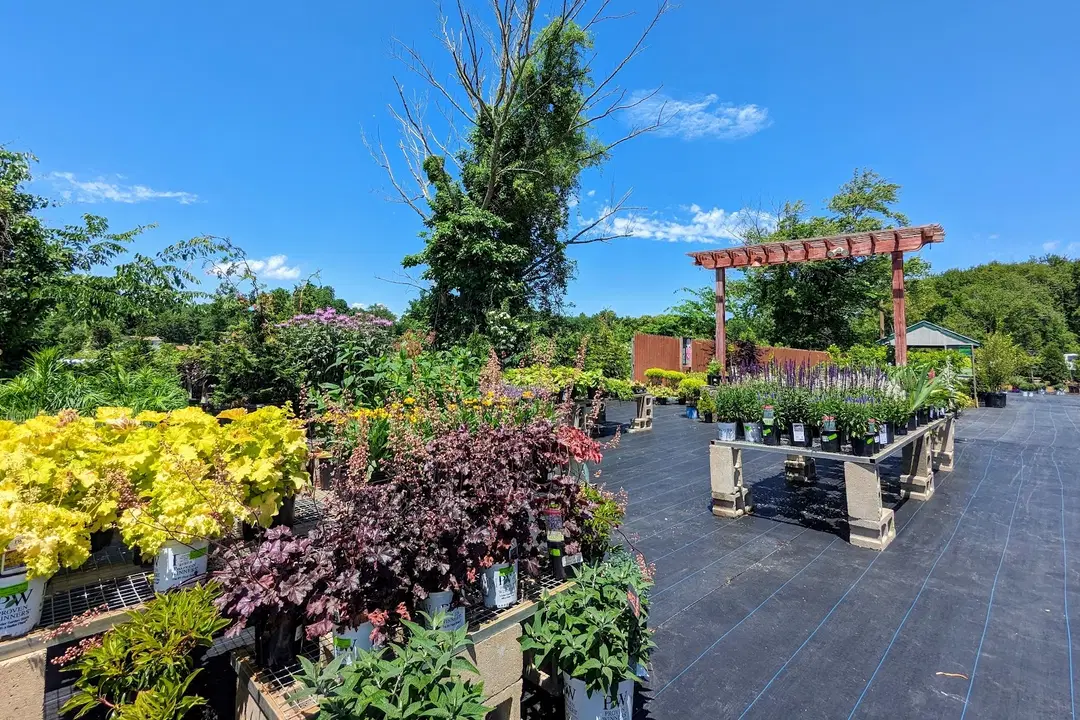
Listed as “PANICUM VIRGATUM `HEAVY METAL`”
From $45.00
Catalog checked Nov 15, 2026. Confirm availability before visiting.
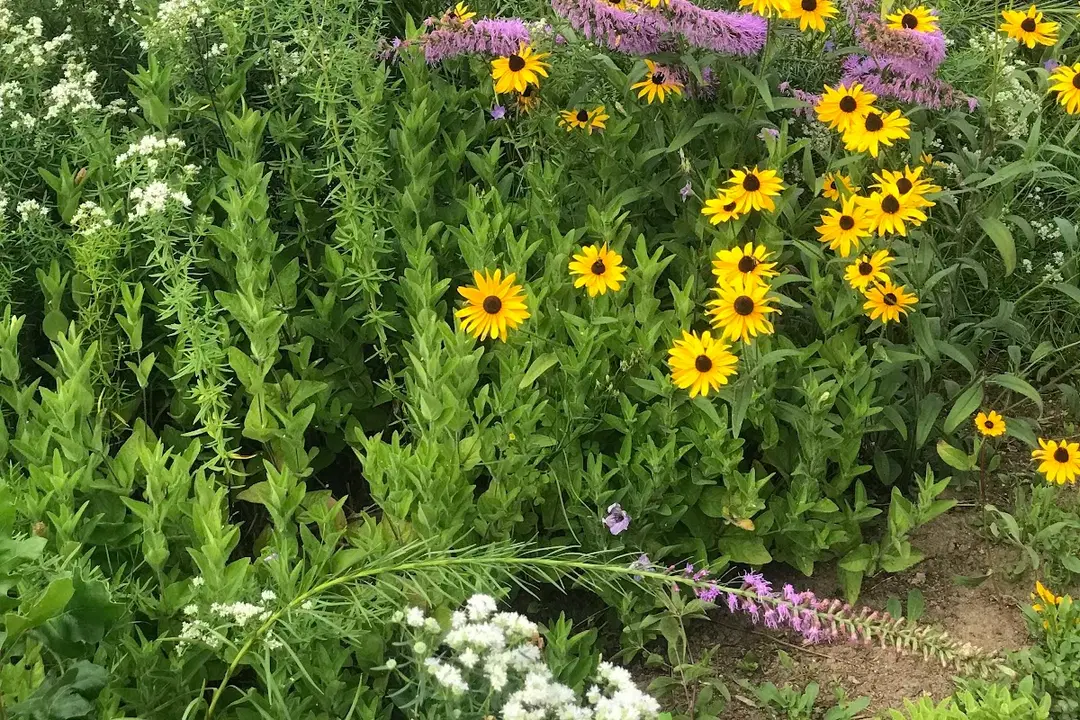 On site
Laingsburg, MI
1option
Listed as “Switch Grass, Panicum Virgatum”
$5.00
Catalog checked Nov 15, 2026. Confirm availability before visiting.
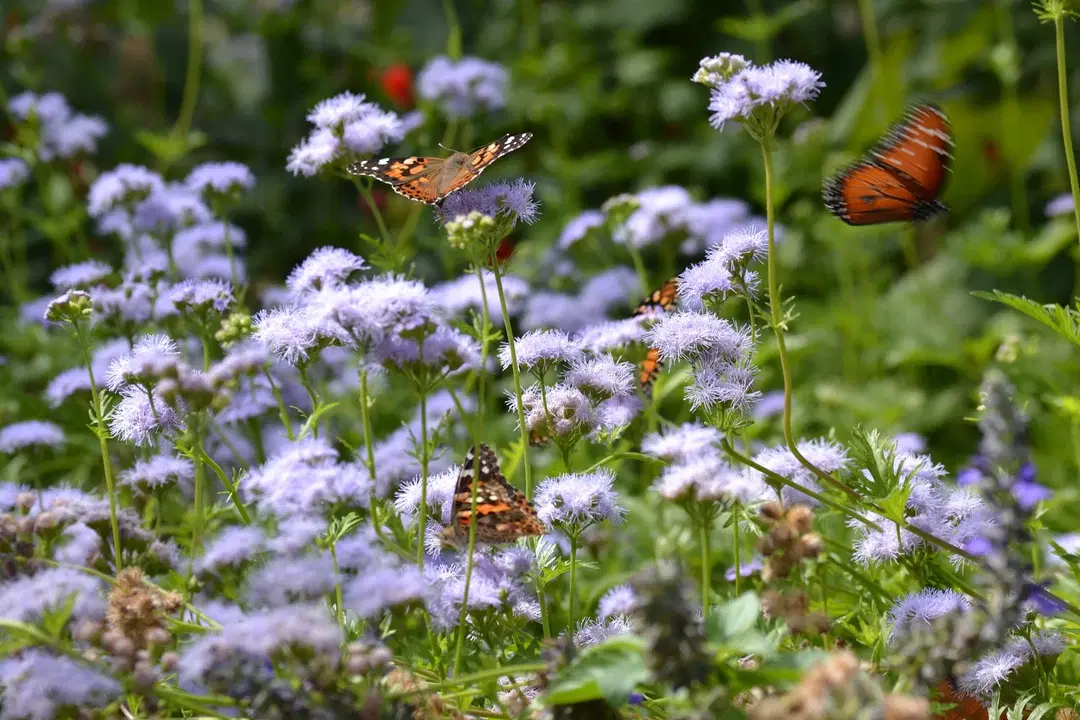 On site
Fort Worth, TX
5options
Listed as “Panicum virgatum (Switchgrass)”
Call for pricing
Catalog checked Nov 15, 2026. Confirm availability before visiting.
 On site
Enterprise, FL
2options
Listed as “Panicum Virgatum " Switchgrass"”
Call for pricing
Catalog checked Nov 15, 2026. Confirm availability before visiting.
 On site
Vassalboro, ME
1option
Listed as “Panicum virgatum 'Dream Catcher® Smoky Rose®' (Switch Grass)”
Call for pricing
Catalog checked Nov 15, 2026. Confirm availability before visiting.
Showing 1 to 8 of 32 nurseries
Load more nurseriesExplore the complete plant collection, including varieties with no nursery listings yet.
Not yet listed: Sagui
0 nurseries listed
Panicum, commonly known as panic grass, is a diverse genus of grasses belonging to the Poaceae family. This large genus comprises approximately 250 species, which are predominantly found in the tropical and warm temperate regions of the world. These grasses exhibit a wide range of forms, from annuals to perennials, and are integral components of many ecosystems, particularly prairies and savannas. While some species are considered weeds, many others are valued for their roles in agriculture and horticulture.
Panic grasses are typically characterized by their inflorescences, which are open, branching panicles that give the plants a delicate, airy appearance. The individual spikelets are small and usually contain two florets. The leaves are generally long and slender, and the overall plant size can vary dramatically between species, from low-growing ground covers to tall, robust bunch grasses. One of the most notable species is Panicum virgatum, commonly known as switchgrass. This North American native is a tall, perennial prairie grass that has gained popularity as an ornamental plant, a source of biofuel, and for its use in erosion control and habitat restoration.
Beyond their ornamental value, many species within the Panicum genus have significant practical applications. Several are cultivated as forage for livestock, providing nutritious grazing and hay. Certain species, such as proso millet (Panicum miliaceum), are grown as cereal crops for human consumption, particularly in parts of Asia and Africa. Ecologically, panic grasses play a crucial role in their native habitats by providing food and shelter for wildlife, stabilizing soil, and contributing to the overall biodiversity of grassland ecosystems.
In cultivation, panic grasses are generally low-maintenance and adaptable. Most species thrive in full sun and are tolerant of a wide range of soil types, including poor, dry, or sandy soils. They are known for their drought tolerance once established, making them suitable for xeriscaping and low-water gardens. Care is minimal, typically involving cutting back the foliage in late winter or early spring to allow for new growth. Their resilience, coupled with their aesthetic appeal, has made them a popular choice for gardeners and landscape designers seeking to create naturalistic and sustainable landscapes.