 On site
Advanced Nursery Growers
Defuniak Springs, FL
1option
Listed as “PRICKLY PEAR CACTUS”
Variety not confirmed3 gal$20.00
Catalog checked Nov 15, 2026. Confirm availability before visiting.
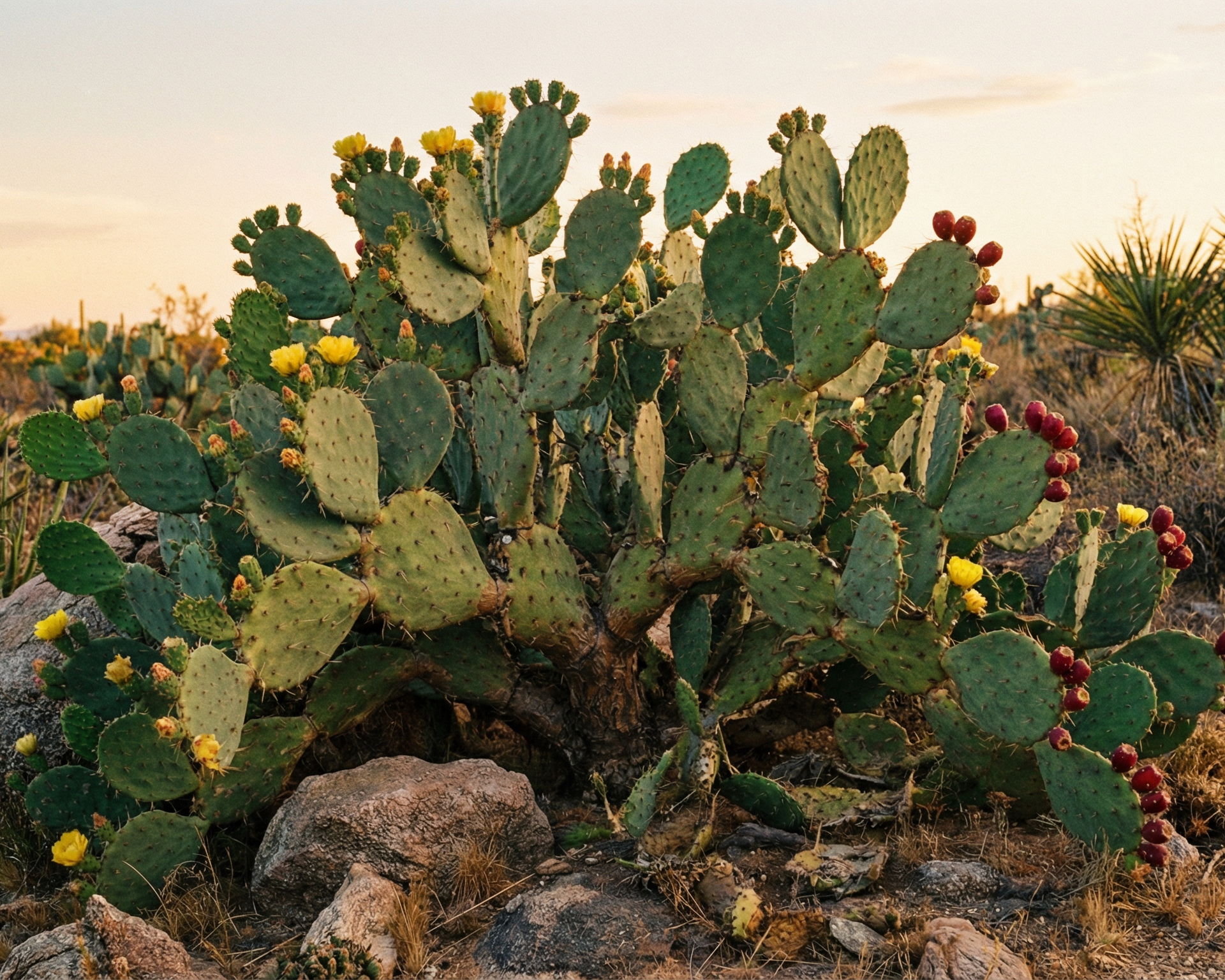
Opuntia spp.
Opuntia, commonly known as the prickly pear cactus, is a diverse and widespread genus of flowering plants in the cactus family, Cactaceae. Read more
14 nurseries · 44 matching options
Choose a city or ZIP to find nearby growers. Showing nationwide listings until you choose an area.
On siteDefuniak Springs, FL
1option
Listed as “PRICKLY PEAR CACTUS”
$20.00
Catalog checked Nov 15, 2026. Confirm availability before visiting.
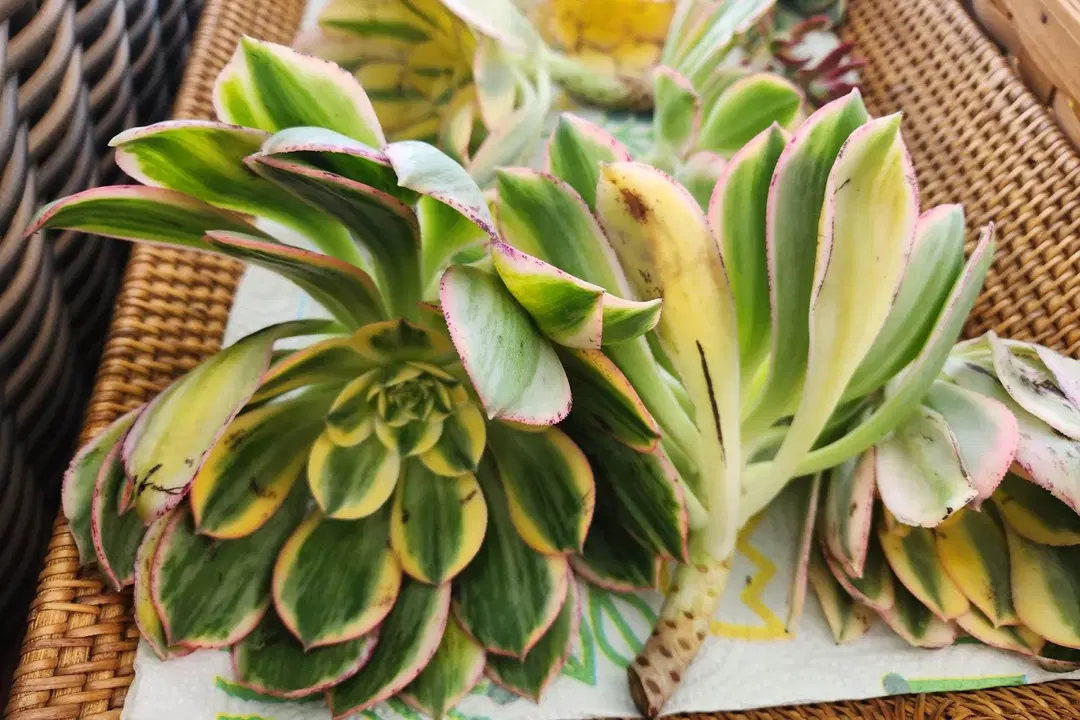 On site
Lakeside, CA
2options
Listed as “OPUNTIA MICRODASYS V. RUFIDA”
Call for pricing
Catalog checked Nov 15, 2026. Confirm availability before visiting.
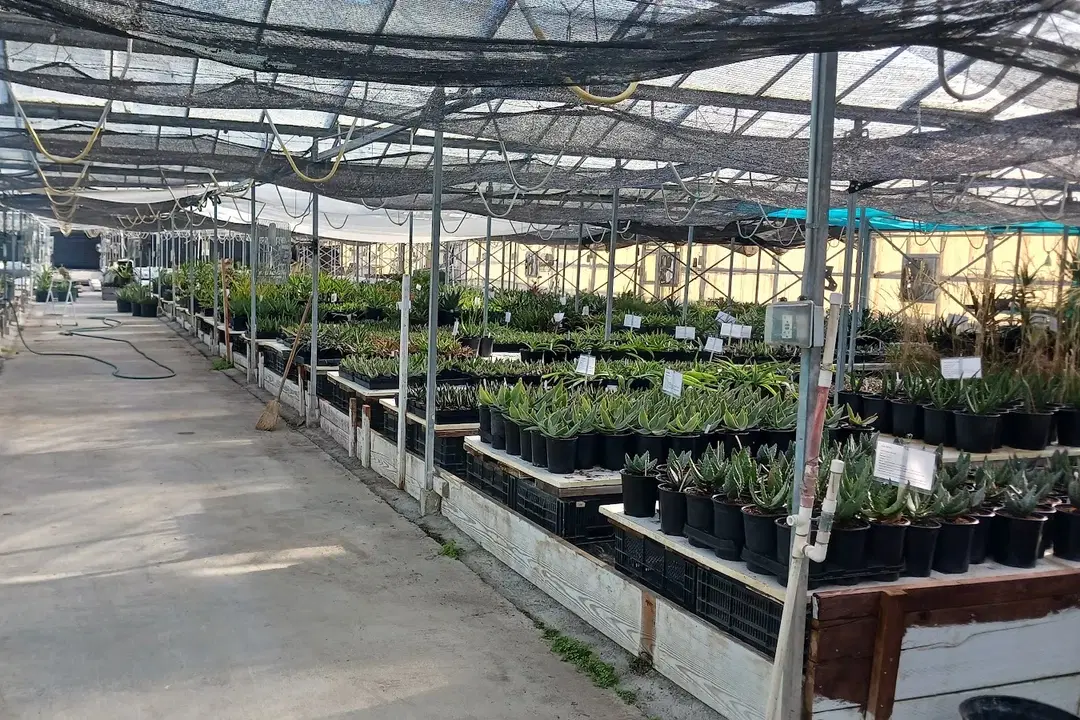 On site
Half Moon Bay, CA
2options
Listed as “Opuntia microdasys "Golden Bunny Ears" - 4in”
Call for pricing
Catalog checked Nov 15, 2026. Confirm availability before visiting.
 On site
Miami, FL
8options
Listed as “Nopal Prickly Pear Cactus ‘Variegata’”
From $39.99
Catalog checked Nov 15, 2026. Confirm availability before visiting.
 On site
Flagler Beach, FL
2options
Listed as “Opuntia 'Microdasys' (Bunny Ear Cactus)”
Call for pricing
Catalog checked Nov 15, 2026. Confirm availability before visiting.
 On site
Pawtucket, RI
2options
Listed as “Opuntia cochenillifera Varigata”
Call for pricing
Catalog checked Nov 15, 2026. Confirm availability before visiting.
 On site
Tampa, FL
4options
Listed as “Prickly Pear "Keys Joe" (Opuntia stricta “Keys Joe Jumper”)”
From $9.00
Catalog checked Nov 15, 2026. Confirm availability before visiting.
 On site
Encinitas, CA
6options
Listed as “Opuntia basilaris Beavertail Pricklypear”
Call for pricing
Catalog checked Nov 15, 2026. Confirm availability before visiting.
Showing 1 to 8 of 14 nurseries
Load more nurseriesOpuntia, commonly known as the prickly pear cactus, is a diverse and widespread genus of flowering plants in the cactus family, Cactaceae. Native to the Americas, these cacti have been introduced to various parts of the world, including southern Europe, Africa, and Australia, where some species have become invasive. The genus comprises approximately 150 species, ranging from low-growing shrubs to tree-like specimens. Prickly pears are a vital component of their native ecosystems, providing food and shelter for a wide array of wildlife, including tortoises, rabbits, deer, and various bird species.
The most recognizable feature of the prickly pear cactus is its distinctive segmented stems, which are flattened into paddle-like structures called cladodes or pads. These pads, which can be green to bluish-gray, are covered in areoles that produce both large, fixed spines and small, hair-like prickles known as glochids. The glochids can easily detach and cause skin irritation. In the spring and early summer, the plant produces large, showy flowers in vibrant shades of yellow, orange, red, or magenta. These blossoms give way to fleshy, oval-shaped fruits called "tunas," which can be red, green, or yellow-orange and are a food source for both humans and animals.
Prickly pear cacti have a long history of human use for food, medicine, and other purposes. The young, tender pads, known as "nopales," are a staple in Mexican cuisine and are eaten raw in salads or cooked in a variety of dishes. The sweet, fleshy fruits, or "tunas," are also widely consumed, either fresh or used to make juices, jams, and candies. Beyond its culinary uses, the prickly pear has been utilized in traditional medicine for its anti-inflammatory and other healing properties. Furthermore, the cactus serves as a host for the cochineal insect, from which a natural red dye is derived. In some regions, prickly pears are also used for fencing and as a source of fodder for livestock.