Just Fruits and Exotics
Crawfordville, FL
2 options
From $99.99
Catalog checked Oct 1, 2026. Confirm availability and delivery area.
4 nurseries listed
Nurseries with recorded shipping, across all locations. Confirm delivery to your address and availability on the nursery website.
1 nursery · 2 matching options
Crawfordville, FL
2 options
From $99.99
Catalog checked Oct 1, 2026. Confirm availability and delivery area.
Showing 1–1 of 1 nurseries
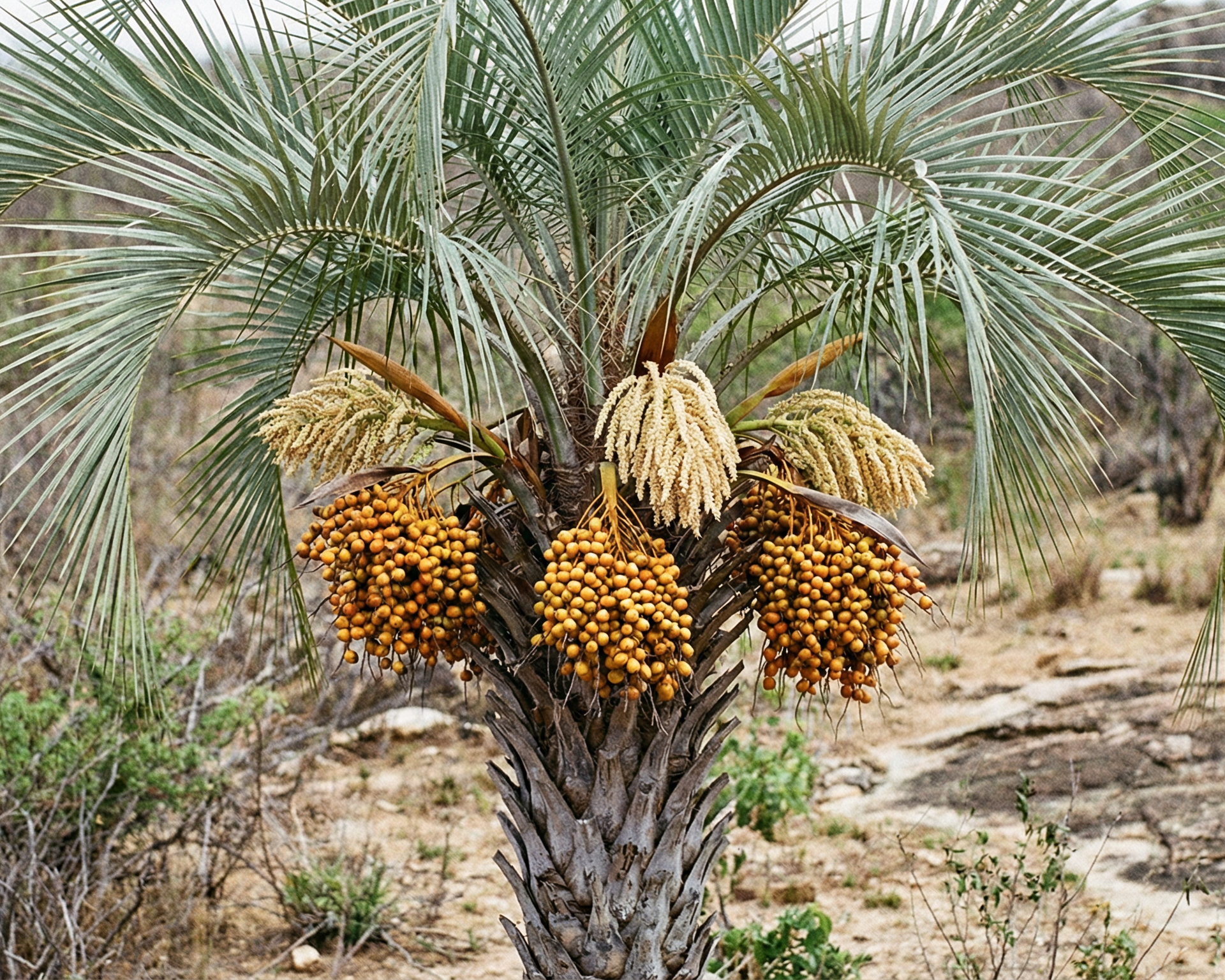
Overview and Introduction The Queen Palm (Syagrus romanzoffiana) is a majestic and popular palm tree, widely recognized for its elegant and tropical appearance. Native to South America, including Brazil, Argentina, and Uruguay, it has been introduced to many other parts of the world as a favored ornamental plant for gardens, parks, and streetscapes [1]. This palm is characterized by its smooth, straight, single trunk and a dense, graceful canopy of feathery fronds that create a soft, drooping effect. Its rapid growth and striking beauty make it a common sight in subtropical and warm-temperate regions. Key Characteristics The Queen Palm is a medium to large-sized palm, typically reaching heights of 50 to 70 feet (15 to 21 meters). Its slender, gray trunk, which can be 1 to 2 feet in diameter, is marked by rings of old leaf scars, sometimes with irregular bulges. The crown consists of a high canopy of gracefully arching, pinnate leaves, or fronds, which can grow from 8 to 15 feet long. Each frond is composed of numerous dark green, glossy leaflets that droop downwards, giving the palm its characteristic weeping look. In the spring and summer, the tree produces large, creamy-white to yellow flower clusters, which are followed by hanging bunches of small, round, orange to yellow fruits, often called "dates." These fruits are about 1 inch in diameter and contain a single seed [2, 3]. Uses and Significance The primary use of the Queen Palm is ornamental. Its stately appearance and fast growth make it a popular choice for landscape design, where it is often used in formal plantings, as a specimen tree, or planted in rows along streets and driveways to create a grand entrance. While the fruits are technically edible, they are not widely consumed by humans due to their fibrous texture and minimal flesh, though they are eaten by wildlife. In some traditional cultures within its native range, the leaves have been used to make baskets and other woven goods. The wood, being moderately heavy and durable, has been utilized for minor construction purposes [2]. Growing Conditions and Care Queen Palms thrive in moist, well-drained soils and prefer full sun exposure. They are best suited for tropical and subtropical climates, being hardy to about 25°F (-4°C), although the fronds can suffer damage at these temperatures. For optimal growth and appearance, they require regular watering, especially during dry periods, but can tolerate some drought once established. These palms tend to grow poorly in alkaline soils and can develop mineral deficiencies, which may manifest as yellowing or frizzled leaves. Pruning is generally limited to the removal of dead or dying fronds to maintain a tidy appearance, as the old fronds can persist on the tree for some time [3].