Royal Palm
Roystonea spp.
5 nurseries listed
Compare nurseries
5 nurseries · 27 matching options
5 locations on the map. Select a marker or a nursery to compare.
Preparing the map…
Your location isn’t saved. Confirm availability and visiting hours with the nursery.
About Royal Palm
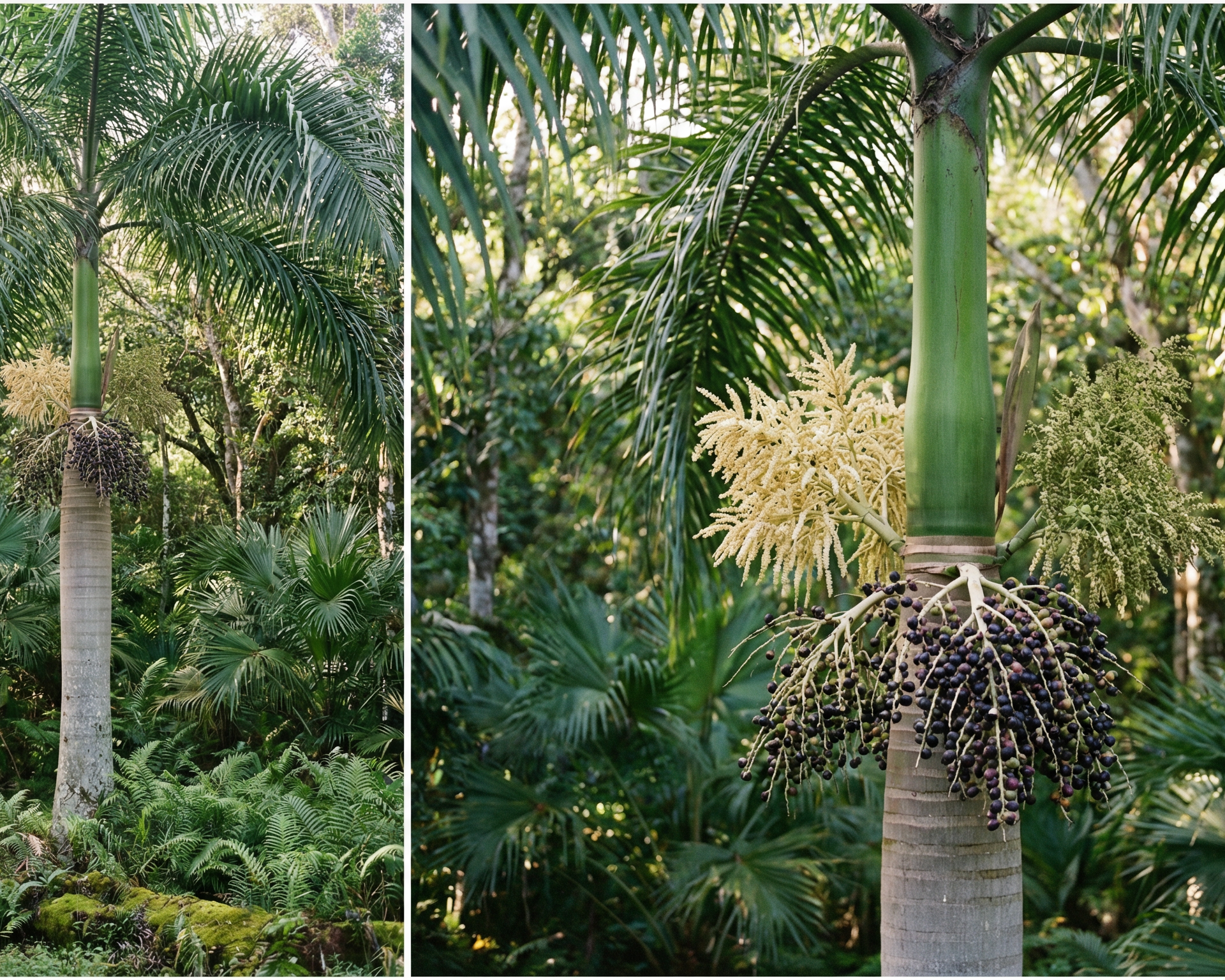
Royal Palm (Roystonea) Roystonea, commonly known as the Royal Palm, is a genus of majestic, single-stemmed palms renowned for their grand stature and striking appearance. Native to the Caribbean, southern Florida, Mexico, and parts of Central and South America, these palms are a celebrated feature of tropical and subtropical landscapes worldwide [1]. The genus, which comprises about eleven species, was named in honor of U.S. Army engineer Roy Stone. The most famous species, Roystonea regia, is the national tree of Cuba and holds significant cultural importance, making the entire genus one of the most recognizable and widely cultivated palm groups [1, 2]. Royal Palms are characterized by their smooth, light gray, columnar trunks which are often swollen at the base and can reach impressive heights of 50 to 100 feet. A distinctive feature is the long, smooth, bright green crownshaft—formed by the tightly wrapped bases of the leaves—which sits prominently atop the woody trunk. The large, feathery, pinnate leaves, or fronds, can grow up to 15 feet long and create a dense, graceful canopy. A notable characteristic of these palms is their self-cleaning nature; old, dead fronds naturally detach and fall from the tree. While this eliminates the need for manual pruning, the considerable weight and size of the falling fronds require careful consideration when planting in populated areas [3, 4]. Due to their elegance and grandeur, Royal Palms are extensively used in landscaping. They are a popular choice for lining avenues, accenting boulevards, and as stately specimen trees in parks, large estates, and commercial properties. Beyond their ornamental value, the palms hold cultural and religious significance, particularly in the Caribbean where their fronds are used in Palm Sunday observances. The small, dark red to black fruits produced in large clusters are not consumed by humans but provide a valuable food source for various birds and other wildlife, contributing to local ecosystems [2, 4]. Royal Palms thrive in full sun and prefer moist, fertile, and well-drained soils. They are quite adaptable, showing tolerance for wet soil conditions and, once established, a moderate degree of drought. Their hardiness extends to about 28°F (-2°C), restricting them to USDA zones 10A and warmer. Growers should be mindful of potential nutrient deficiencies, particularly in potassium, manganese, and boron, which can cause discoloration and frizzling of the leaves. Regular application of a balanced palm fertilizer is recommended to maintain their health and vibrant appearance. While relatively pest-resistant, they can be susceptible to the royal palm bug and fungal diseases like Ganoderma butt rot in certain conditions [3, 4].
Plant facts
- Sun
- Full Sun
- Water
- Regular, Drought Tolerant
- USDA zones
- 10-11
- Lifecycle
- Perennial