C&J Gardening Center
Rancho Cucamonga, CA
3 options
Call for pricing
Catalog checked Oct 1, 2026. Confirm availability before visiting.
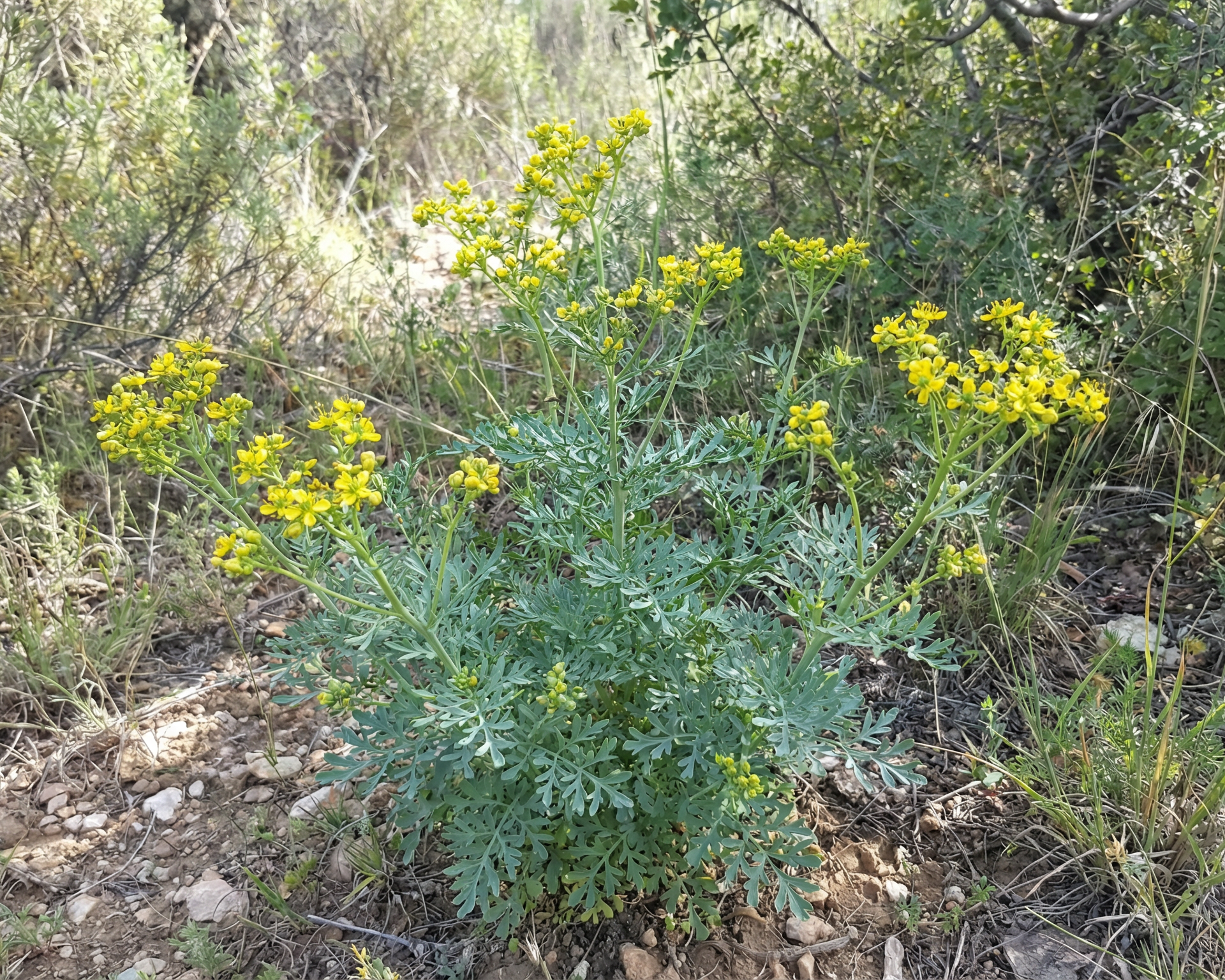
Ruta spp.
9 nurseries listed
9 nurseries · 20 matching options
Rancho Cucamonga, CA
3 options
Call for pricing
Catalog checked Oct 1, 2026. Confirm availability before visiting.
Canyon, TX
1 option
Call for pricing
Catalog checked Oct 4, 2026. Confirm availability before visiting.
Fort Worth, TX
2 options
Call for pricing
Catalog checked Oct 4, 2026. Confirm availability before visiting.
Enterprise, FL
1 option
Call for pricing
Catalog checked Oct 1, 2026. Confirm availability before visiting.
Miami, FL
4 options
From $29.99
Catalog checked Oct 1, 2026. Confirm availability before visiting.
San Francisco, CA
5 options
Call for pricing
Catalog checked Oct 4, 2026. Confirm availability before visiting.
Tampa, FL
1 option
From $16.00
Catalog checked Oct 1, 2026. Confirm availability before visiting.
Warwick, NY
1 option
From $6.95
Catalog checked Oct 1, 2026. Confirm availability before visiting.
Showing 1–8 of 9 nurseries
Load more nurseriesRue, scientifically known as Ruta, is a genus of evergreen subshrubs native to the Mediterranean region and Southeastern Europe. As a member of the Rutaceae family, it is related to citrus plants. The most prominent species is Ruta graveolens, commonly referred to as common rue or herb-of-grace. This plant is widely cultivated around the world for its ornamental value, distinctive aroma, and historical uses, though its popularity in gardens has sometimes led to it naturalizing in the wild in various regions. Rue is characterized by its shrubby, woody-based form, typically reaching a height and width of 2 to 3 feet. It features fern-like, blue-green leaves that are pinnately divided and emit a strong, pungent scent when bruised. In the summer, it produces small, dull yellow flowers with four to five petals, which are held in clusters above the foliage. Following the bloom, the plant develops small, brown seed capsules. The plant's unique foliage provides visual interest in gardens throughout the year. Historically, rue was a significant herb in culinary and medicinal practices, though its use has declined due to its bitter taste and potential toxicity. In some cuisines, it is still used sparingly as a flavoring. Its most common modern application is as an ornamental plant in borders, rock gardens, and herb gardens. Rue is also known to repel insects and is a host plant for the caterpillars of several swallowtail butterfly species. In folklore, it has been regarded as a protective herb, believed to ward off evil spirits and illness. Rue is a hardy and low-maintenance plant that thrives in full sun and well-drained soil. It is particularly tolerant of drought, dry conditions, and poor, rocky soils, making it a resilient choice for challenging garden spots. However, it does not tolerate wet or poorly drained soil, which can lead to root rot. Gardeners should handle the plant with care, as contact with the foliage can cause phytophotodermatitis, a skin reaction triggered by sunlight. It is advisable to wear gloves when pruning or handling the plant. Propagation can be achieved through seeds or cuttings.