 On site
Cornell Farm
Portland, OR
1option
Listed as “Serviceberry Smokey 1gal Amelanchier alnifolia”
Smokey1 galCall for pricing
Catalog checked Nov 15, 2026. Confirm availability before visiting.
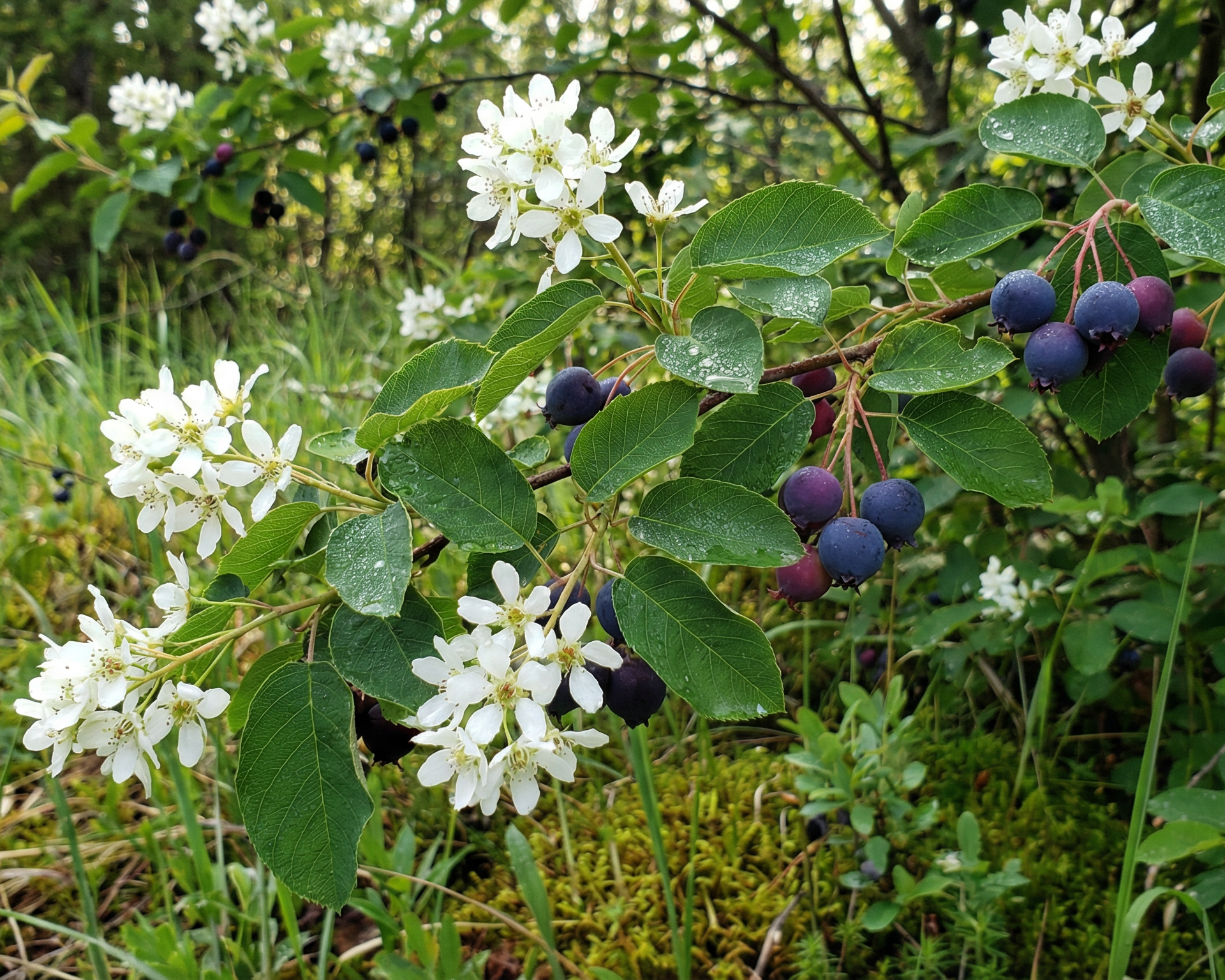
Amelanchier spp.
Serviceberry, also known as Juneberry, Saskatoon, or Shadbush, is a genus of about 20 species of deciduous-leaved shrubs and small trees in the rose family (Rosaceae). Read more
1 nursery · 1 matching option
On sitePortland, OR
1option
Listed as “Serviceberry Smokey 1gal Amelanchier alnifolia”
Call for pricing
Catalog checked Nov 15, 2026. Confirm availability before visiting.
Showing 1 to 1 of 1 nursery
Explore the complete plant collection, including varieties with no nursery listings yet.
Serviceberry, also known as Juneberry, Saskatoon, or Shadbush, is a genus of about 20 species of deciduous-leaved shrubs and small trees in the rose family (Rosaceae). Native to temperate regions of the Northern Hemisphere, they are found in a variety of habitats from swampy areas to rocky slopes. The name "Serviceberry" is thought to have originated from the plant's white flowers, which would bloom around the same time that circuit-riding preachers would resume their services in the spring after a long winter. [1]
Serviceberry plants are typically small trees or multi-stemmed shrubs, ranging in height from 3 to 30 feet. They are known for their attractive, five-petaled, white flowers that appear in early spring before the leaves emerge. The leaves are simple, alternate, and ovate, with finely toothed margins. In the fall, the foliage turns to shades of yellow, orange, and red, providing significant ornamental value. The fruit is a small, round, dark-purple pome that ripens in early summer. These berries are edible and have a sweet, nutty flavor, often compared to a blueberry with a hint of almond. [2][3]
Serviceberries have a long history of use by indigenous peoples of North America for food, medicine, and crafting. The berries were a staple food, eaten fresh, dried into pemmican, or used to make jellies and jams. The wood was used to make arrows, and various parts of the plant were used for medicinal purposes. Today, Serviceberries are valued for their ornamental qualities, wildlife value, and edible fruit. They are often planted in landscapes and gardens for their spring flowers, fall color, and to attract birds and other wildlife. The fruit is enjoyed by humans in pies, jams, and wines, and is also a favorite of many bird species.