Native Utah Plants
Provo, UT
5 options
Call for pricing
Catalog checked Oct 4, 2026. Confirm availability before visiting.
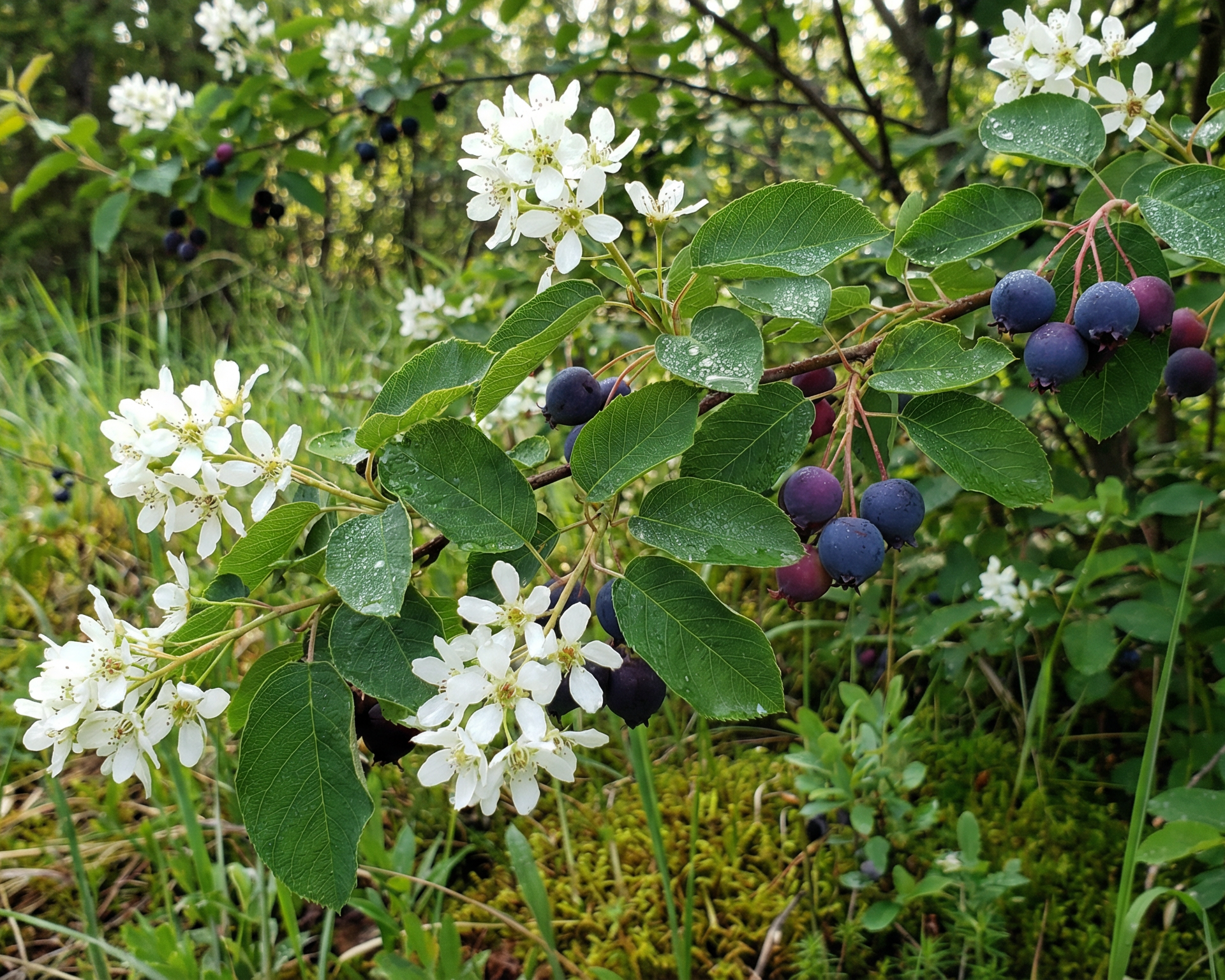
Amelanchier spp.
31 nurseries nationwide
Choose a city or ZIP to find nearby growers. Showing nationwide listings until you choose an area.
31 nurseries · 93 matching options
Provo, UT
5 options
Call for pricing
Catalog checked Oct 4, 2026. Confirm availability before visiting.
Carpinteria, CA
1 option
Catalog checked Oct 1, 2026. Confirm availability before visiting.
AMELANCHIER Alnifolia Regent
Variety not confirmed
$10.00
Portland, OR
1 option
Catalog checked Oct 1, 2026. Confirm availability before visiting.
Saskatoon Berry
Variety not confirmed
$19.95
Pittsford, NY
3 options
Call for pricing
Catalog checked Oct 4, 2026. Confirm availability before visiting.
Wildwood, MO
3 options
Call for pricing
Catalog checked Oct 4, 2026. Confirm availability before visiting.
Stanford, KY
2 options
From $39.99
Catalog checked Oct 1, 2026. Confirm availability before visiting.
Oakland, CA
2 options
Call for pricing
Catalog checked Oct 1, 2026. Confirm availability before visiting.
Central Lake, MI
6 options
From $3.45
Catalog checked Oct 1, 2026. Confirm availability before visiting.
Showing 17–24 of 31 nurseries
Load more nurseriesServiceberry (Amelanchier) Serviceberry, also known as Juneberry, Saskatoon, or Shadbush, is a genus of about 20 species of deciduous-leaved shrubs and small trees in the rose family (Rosaceae). Native to temperate regions of the Northern Hemisphere, they are found in a variety of habitats from swampy areas to rocky slopes. The name "Serviceberry" is thought to have originated from the plant's white flowers, which would bloom around the same time that circuit-riding preachers would resume their services in the spring after a long winter. [1] Key Characteristics Serviceberry plants are typically small trees or multi-stemmed shrubs, ranging in height from 3 to 30 feet. They are known for their attractive, five-petaled, white flowers that appear in early spring before the leaves emerge. The leaves are simple, alternate, and ovate, with finely toothed margins. In the fall, the foliage turns to shades of yellow, orange, and red, providing significant ornamental value. The fruit is a small, round, dark-purple pome that ripens in early summer. These berries are edible and have a sweet, nutty flavor, often compared to a blueberry with a hint of almond. [2][3] Uses and Significance Serviceberries have a long history of use by indigenous peoples of North America for food, medicine, and crafting. The berries were a staple food, eaten fresh, dried into pemmican, or used to make jellies and jams. The wood was used to make arrows, and various parts of the plant were used for medicinal purposes. Today, Serviceberries are valued for their ornamental qualities, wildlife value, and edible fruit. They are often planted in landscapes and gardens for their spring flowers, fall color, and to attract birds and other wildlife. The fruit is enjoyed by humans in pies, jams, and wines, and is also a favorite of many bird species. [4][5]
Explore the complete plant collection, including varieties with no nursery listings yet.