Squash
Cucurbita spp.
3 nurseries listed
Compare nurseries
3 nurseries · 3 matching options
3 locations on the map. Select a marker or a nursery to compare.
Preparing the map…
Your location isn’t saved. Confirm availability and visiting hours with the nursery.
About Squash
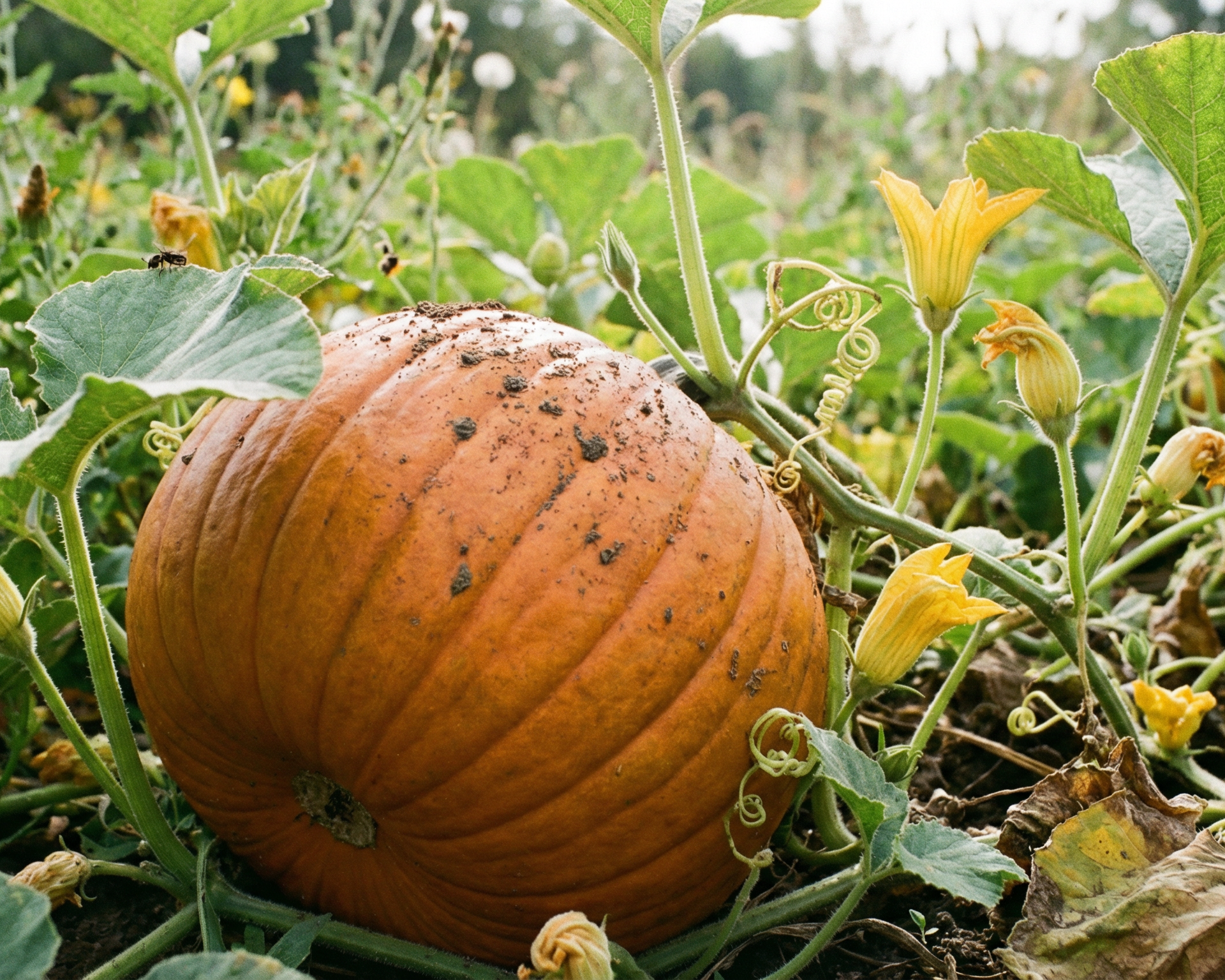
The genus Cucurbita, commonly known as squash, encompasses a diverse group of herbaceous vines that are native to the Andes and Mesoamerica. This genus belongs to the gourd family, Cucurbitaceae, and includes a variety of well-known edible plants such as pumpkins, zucchini, and various summer and winter squashes. While the terms squash, pumpkin, and gourd are often used interchangeably, they all refer to plants within this genus. Five species of Cucurbita have been domesticated and are now cultivated worldwide for their fruits and seeds. Cucurbita species are typically fast-growing annuals, characterized by their long, trailing vines and large, lobed leaves. The plants produce large, yellow or orange flowers that are unisexual, with both male and female flowers appearing on the same plant. A key characteristic of the genus is the fruit, which is a type of berry called a pepo. These fruits exhibit a remarkable diversity in size, shape, and color, ranging from small, ornamental gourds to giant pumpkins weighing hundreds of kilograms. The plants climb using tendrils, and while most are vines, some bush-like cultivars have been developed. The primary significance of the Cucurbita genus lies in its culinary uses. The fruits are a good source of nutrients, including vitamin A and vitamin C, and are used in a wide array of dishes, from soups and stews to pies and breads. The seeds are also edible and can be roasted and eaten as a snack. Beyond their culinary importance, some species are used for ornamental purposes, particularly the colorful and unusually shaped gourds. In some cultures, certain species have also been used in folk medicine.
Plant facts
- Sun
- Full Sun
- Water
- Regular
- USDA zones
- 3-13
- Lifecycle
- Annual
Variety guides
Explore the complete plant collection, including varieties with no nursery listings yet.
- Acorn0 nurseries listed
- Apache Giant0 nurseries listed
- Astia0 nurseries listed
- Atlantic Giant0 nurseries listed
- Autumn Frost0 nurseries listed
- Baby Boo0 nurseries listed
- Baby Spaghetti0 nurseries listed
- Bellatrix0 nurseries listed
- Benning's Green Tint0 nurseries listed
- Bethlehem Market0 nurseries listed
- Big Max0 nurseries listed
- Big Moose0 nurseries listed
- Bitterroot Buttercup0 nurseries listed
- Black Bear F10 nurseries listed
- Black Beauty0 nurseries listed
- Black Beauty Zucchini0 nurseries listed
- Black Forest0 nurseries listed
- Black Futsu0 nurseries listed
- Blanco0 nurseries listed
- Blaze F10 nurseries listed
- Brûlée0 nurseries listed
- Bulldog Pumpkin0 nurseries listed
- Bumpkin0 nurseries listed
- Burpee's Butterbush0 nurseries listed