Sugar Palm
Arenga pinnata
1 nursery listed
Compare nurseries
1 nursery · 1 matching option
1 location on the map. Select a marker or a nursery to compare.
Preparing the map…
Your location isn’t saved. Confirm availability and visiting hours with the nursery.
About Sugar Palm
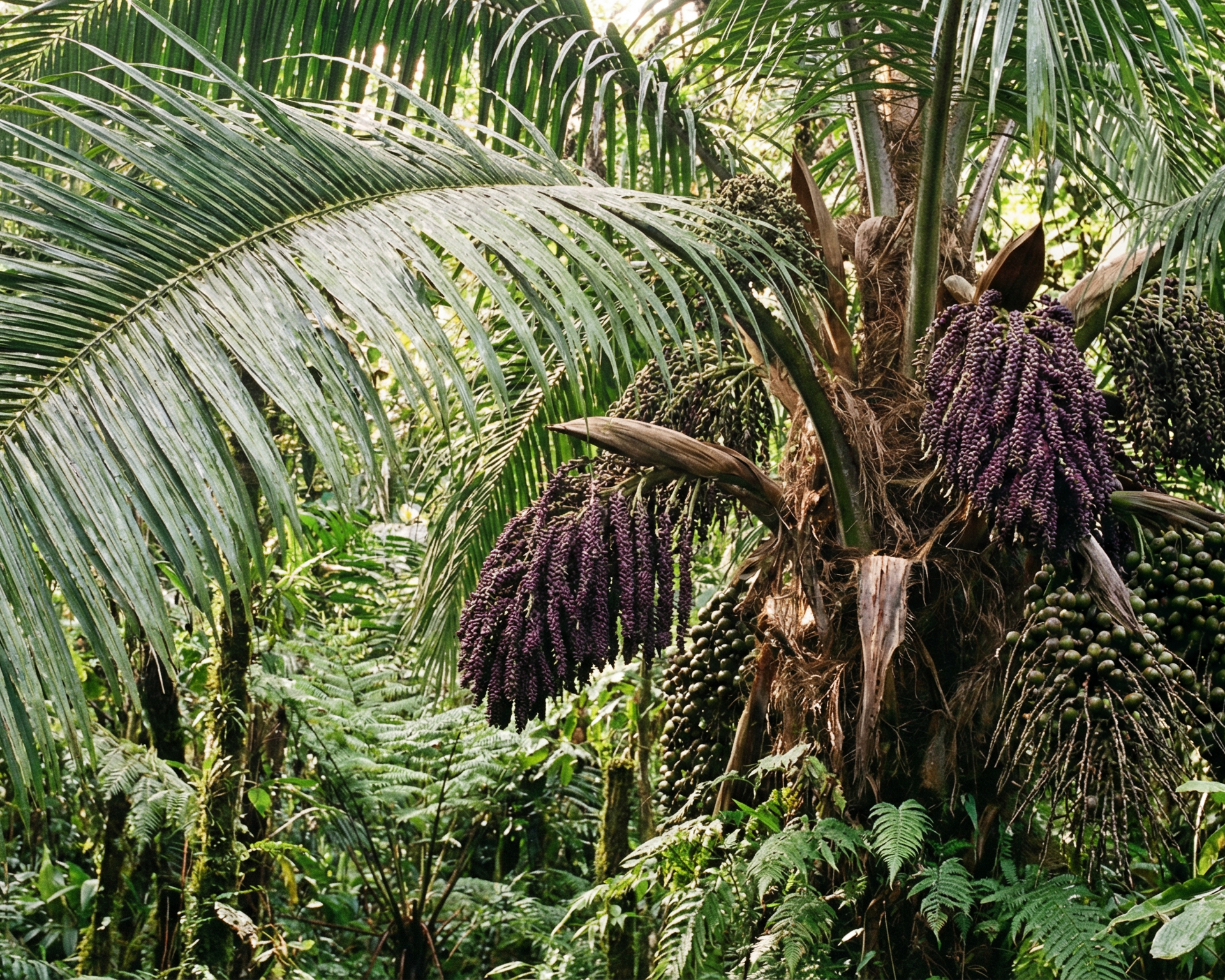
The Sugar Palm, scientifically known as Arenga pinnata, is a prominent member of the Arenga genus, a group of palms native to Southeast Asia, southern China, New Guinea, and northern Australia. While the genus encompasses a variety of species, the Sugar Palm is the most economically important and widely recognized. These palms are characterized by their solitary trunks, which can reach heights of up to 12 meters, and their large, pinnate leaves that can grow up to 9 meters long. The trunk is covered in black fibers and spines, a distinctive feature of the species. Sugar Palms are well-adapted to a range of environments, thriving in both full sun and light shade, and can tolerate relatively infertile soils. They are found in a variety of habitats, from primary and secondary forests to denuded hillsides, at elevations from sea level to 1,400 meters. The palm is monocarpic, meaning it flowers once and then dies. The flowering process can last for several years, with inflorescences emerging from the top of the trunk and progressing downwards. The fruits are globose, yellow when ripe, and contain oxalic acid, which can be an irritant. Historically and culturally, the Sugar Palm has been a vital resource in Southeast Asia. The sap, rich in sucrose, is tapped to produce a variety of products, including palm sugar, vinegar, and alcoholic beverages. The durable black fibers from the trunk, known as "gomuti" fibers, have been traditionally used to make ropes, brushes, and roofing materials. The wood is also used for construction and furniture. In some regions, the starch from the trunk is used to make a type of sago. The leaves are used for thatching and weaving. The plant also has a role in traditional medicine, with various parts used to treat a range of ailments. From a permaculture perspective, the Sugar Palm is a valuable multi-purpose plant. Its ability to grow in a variety of conditions, including on degraded land, makes it a useful species for reforestation and soil improvement. The deep root system helps to prevent soil erosion. The various products from the palm provide a sustainable source of food, materials, and income for local communities. The plant's resilience and versatility make it an important component of agroforestry systems in its native range.
Plant facts
- Sun
- Full Sun, Partial Sun, Partial Shade
- Water
- Regular
- USDA zones
- 9-11
- Lifecycle
- Perennial