Keystone Wildflowers
Robesonia, PA
1 option
From $7.50
Catalog checked Oct 1, 2026. Confirm availability before visiting.
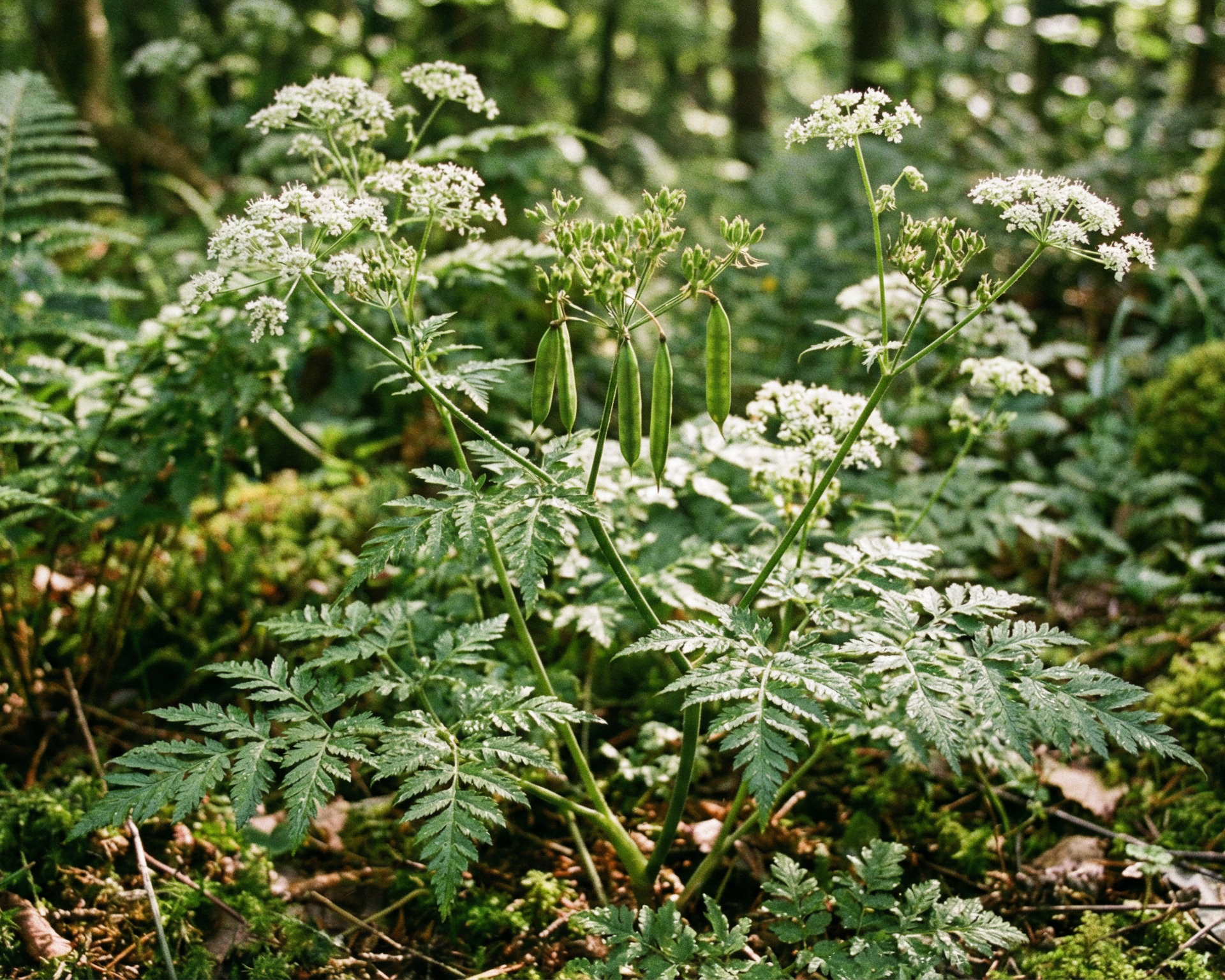
Osmorhiza spp.
2 nurseries listed
2 nurseries · 8 matching options
Robesonia, PA
1 option
From $7.50
Catalog checked Oct 1, 2026. Confirm availability before visiting.
Berkeley, CA
7 options
From $12.00
Catalog checked Oct 1, 2026. Confirm availability before visiting.
Showing 1–2 of 2 nurseries
Osmorhiza, commonly known as Sweet Cicely, is a genus of perennial herbs belonging to the carrot family, Apiaceae. The name Osmorhiza is derived from the Greek words 'osme' (odor) and 'rhiza' (root), referring to the aromatic roots of the plant. Native primarily to North America, with some species found in South America and Asia, Sweet Cicely is often found in rich, moist woods and along stream banks. The plants are characterized by their delicate, fern-like leaves and clusters of small white flowers. Sweet Cicely plants typically grow from one to three feet tall. They have compound leaves that are divided into numerous leaflets, giving them a lacy appearance. In late spring and early summer, the plants produce compound umbels of tiny white flowers. One of the most distinctive features of Sweet Cicely is the strong anise or licorice-like fragrance that is released when the leaves, stems, or roots are crushed. The fruit of the plant is a slender, elongated seed with barbs at the tip, which allows it to easily attach to animal fur or clothing for dispersal. This genus has a history of use in traditional medicine and as a culinary herb. Native American tribes used the roots of Sweet Cicely for a variety of purposes, including as a general tonic, to treat digestive issues, and as a poultice for wounds and boils. The leaves and seeds are also edible and can be used to impart a sweet, anise-like flavor to salads, desserts, and other dishes. The roots can be used as a vegetable or as a substitute for anise or fennel in cooking. However, it is crucial to be cautious when foraging for Sweet Cicely, as it bears a strong resemblance to the highly poisonous water hemlock. In a garden setting, Sweet Cicely is valued for its attractive foliage and delicate flowers. It thrives in partial shade and moist, well-drained soil, making it an excellent choice for woodland gardens or shady borders. The plant is relatively low-maintenance and can be propagated by seed or by dividing the rootstock in the spring or fall. Its fragrant foliage and ability to attract beneficial insects make it a valuable addition to any herb garden or native plant landscape.
Explore the complete plant collection, including varieties with no nursery listings yet.