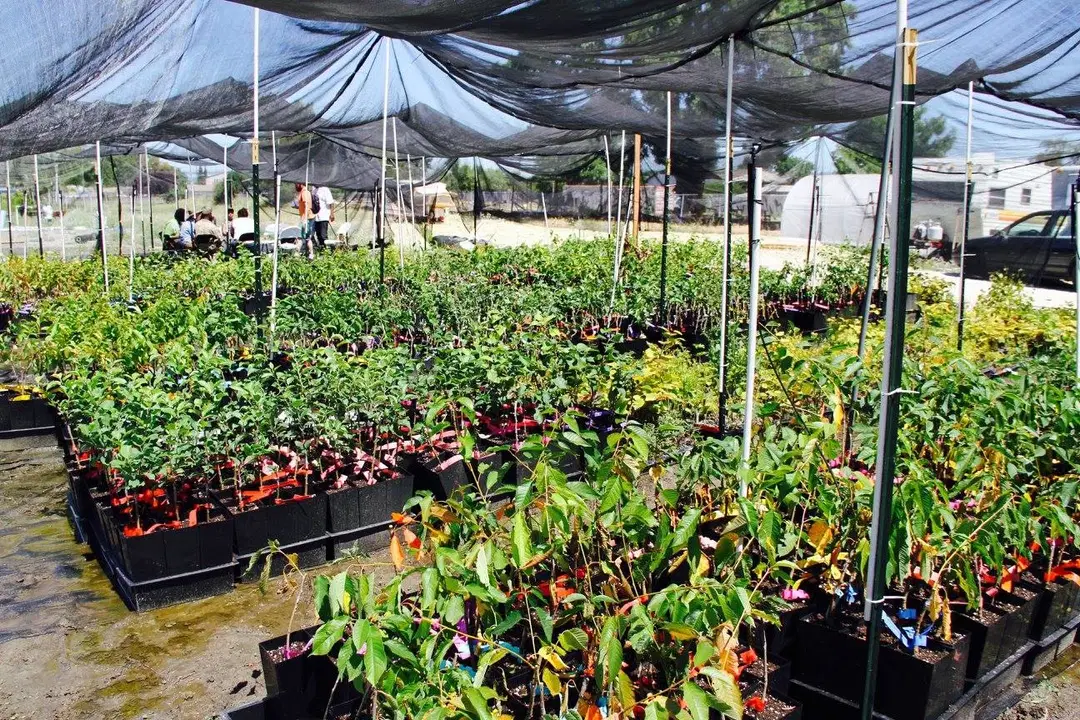
 On site
Planting Justice
Oakland, CA
6options
Listed as “Northern CA Black Walnut (Juglans hindsii) (5gal)”
Variety not confirmed5 galOne of 6 nursery listingsCall for pricing
Catalog checked Nov 15, 2026. Confirm availability before visiting.
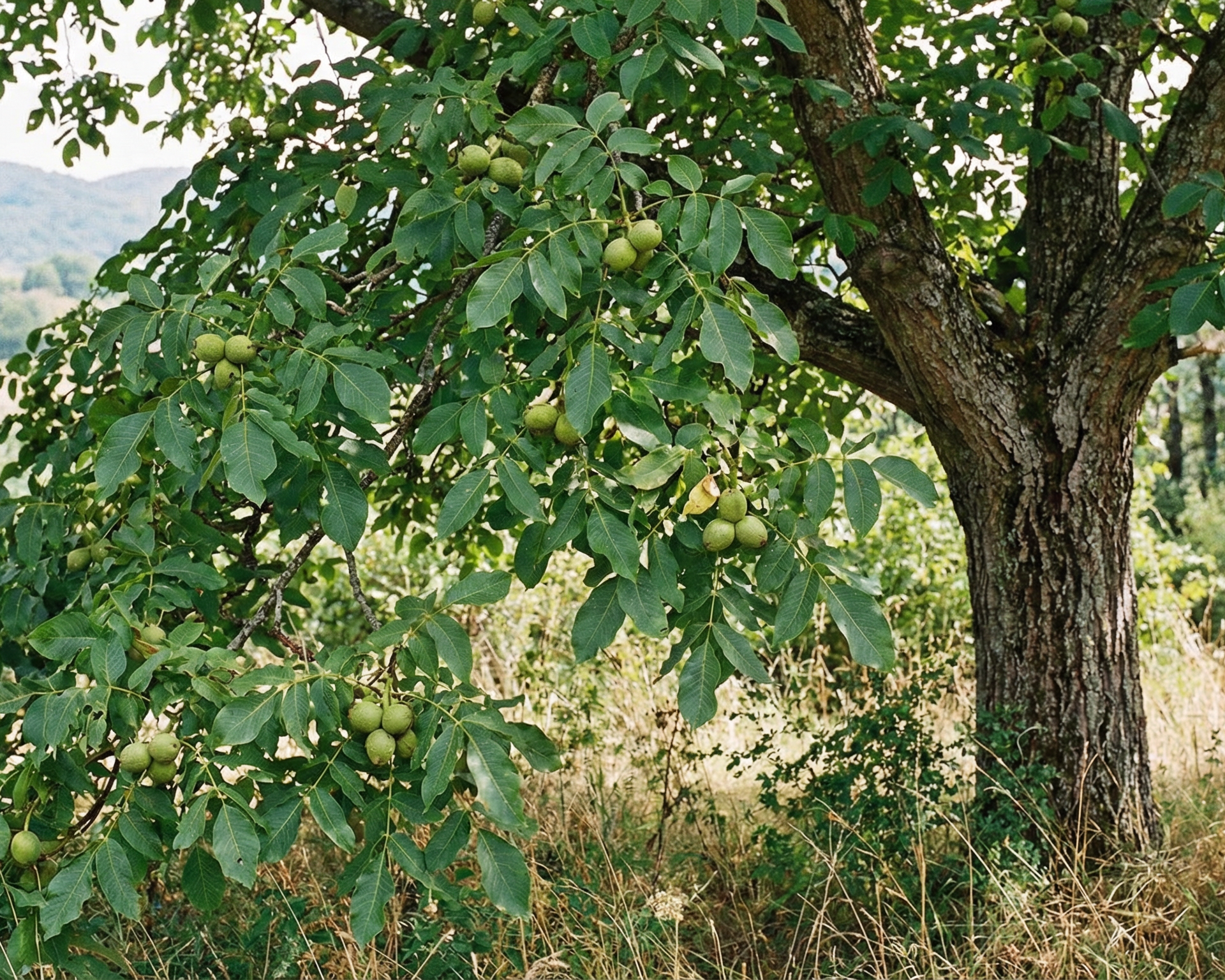
Juglans spp.
Walnut trees belong to the genus Juglans, which is part of the family Juglandaceae. This genus comprises about 20 species of deciduous trees found in North and South America, southern Europe, Asia, and the West Indies. Read more
33 nurseries · 77 matching options
On siteOakland, CA
6options
Listed as “Northern CA Black Walnut (Juglans hindsii) (5gal)”
Call for pricing
Catalog checked Nov 15, 2026. Confirm availability before visiting.
 On site
Morton, WA
1option
Listed as “Black Walnut Seedling”
Call for pricing
Catalog checked Nov 15, 2026. Confirm availability before visiting.
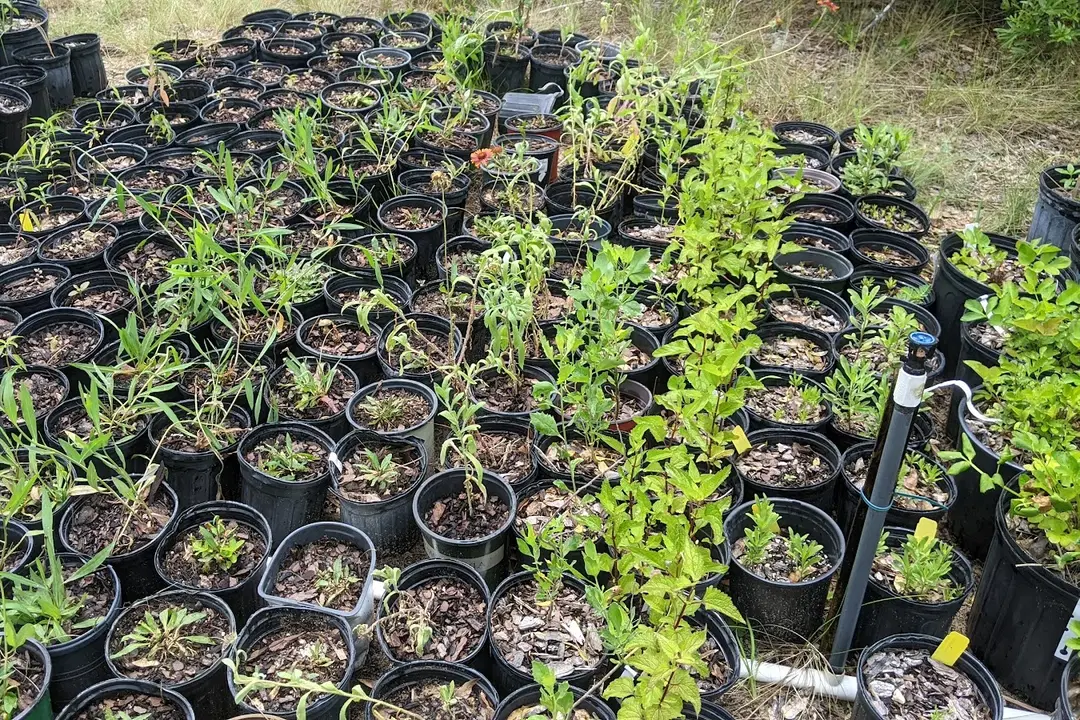 On site
Fountain, FL
1option
Listed as “Black Walnut”
$30.00
Catalog checked Nov 15, 2026. Confirm availability before visiting.
 On site
McKinleyville, CA
1option
Listed as “Eastern Black Walnut | Medium Tree Seedling”
Call for pricing
Catalog checked Nov 15, 2026. Confirm availability before visiting.
 On site
Earlham, IA
1option
Listed as “Walnut, Black”
Call for pricing
Catalog checked Nov 15, 2026. Confirm availability before visiting.
 On site
Stanton, KY
1option
Listed as “Black Walnut”
Call for pricing
Catalog checked Nov 15, 2026. Confirm availability before visiting.
 On site
Great Barrington, MA
1option
Listed as “Juglans Nigra (Walnut)”
$94.99
Catalog checked Nov 15, 2026. Confirm availability before visiting.
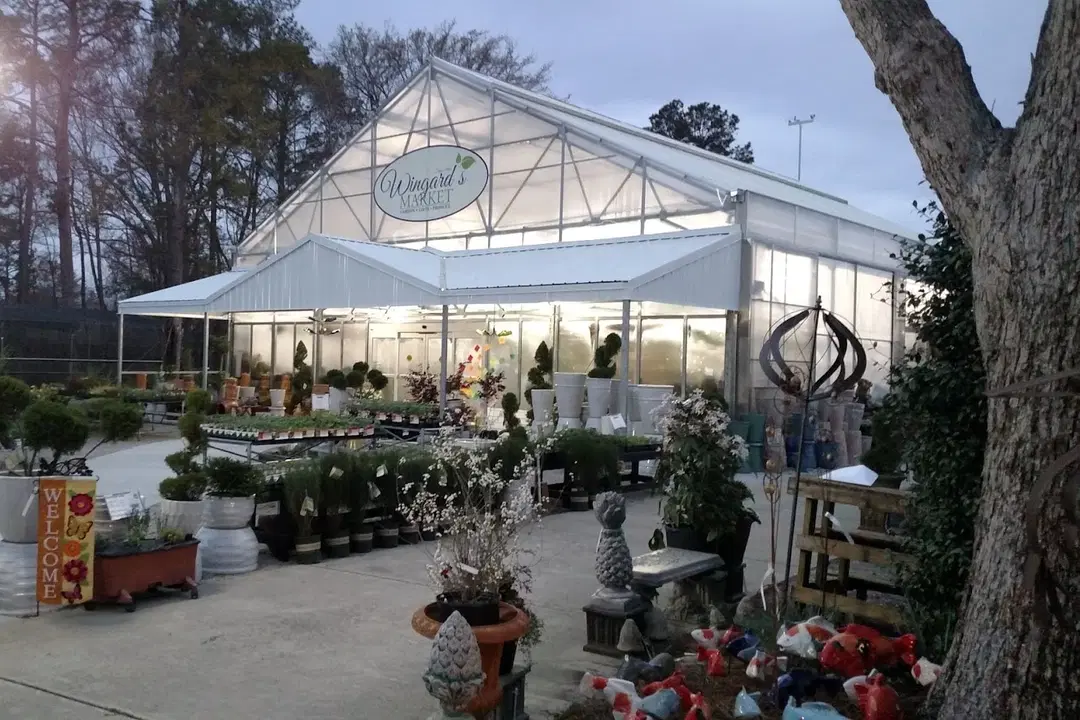 On site
Lexington, SC
1option
Listed as “Walnut, Black”
Call for pricing
Catalog checked Nov 15, 2026. Confirm availability before visiting.
Showing 25 to 32 of 33 nurseries
Load more nurseriesExplore the complete plant collection, including varieties with no nursery listings yet.
Walnut trees belong to the genus Juglans, which is part of the family Juglandaceae. This genus comprises about 20 species of deciduous trees found in North and South America, southern Europe, Asia, and the West Indies. The most well-known and commercially important species is the English or Persian walnut (Juglans regia), which is cultivated for its large, thin-shelled nuts. The black walnut (Juglans nigra), native to eastern North America, is also highly valued for its timber and edible nuts.
Walnut trees are characterized by their long, pinnately compound leaves, which have 5 to 25 leaflets. The trees produce male and female flowers in separate catkins on the same tree. A distinctive feature of walnut twigs is their chambered pith. The fruit is a drupe, with the edible seed, commonly called a nut, enclosed in a hard shell within a thick husk.
Walnut trees have a rich history of human use. The nuts are a popular food source, consumed fresh, roasted, or as an ingredient in a variety of dishes, including baked goods and confections. Walnut oil, extracted from the nuts, is used in cooking and as a salad dressing. The wood of walnut trees, particularly black walnut, is prized for its dark color, fine grain, and durability, making it a popular choice for furniture, cabinetry, and gunstocks.
Beyond their economic importance, walnuts have cultural and medicinal significance. The nuts have been a food source for millennia and are featured in the cuisines of many cultures. Various parts of the walnut tree have been used in traditional medicine. For example, the bark of the black walnut was used by Native American groups as a laxative and for treating toothaches. The husks of the fruit have been used to make dyes. The leaves are also used for sunburns, itching and to treat scalp dandruff.