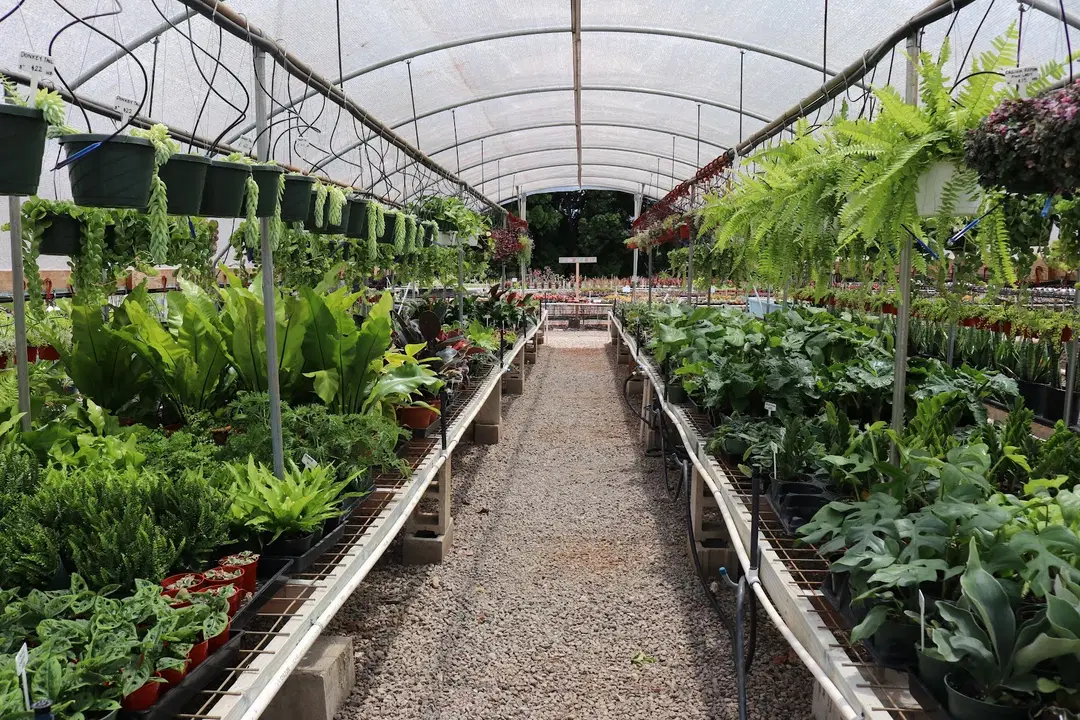
 On site
Mari's Gardens
Mililani, HI
2options
Listed as “Citrullus lanatus ʻPapayaʻ (Watermelon)”
Variety not confirmed4 inOne of 2 nursery listingsCall for pricing
Catalog checked Nov 15, 2026. Confirm availability before visiting.
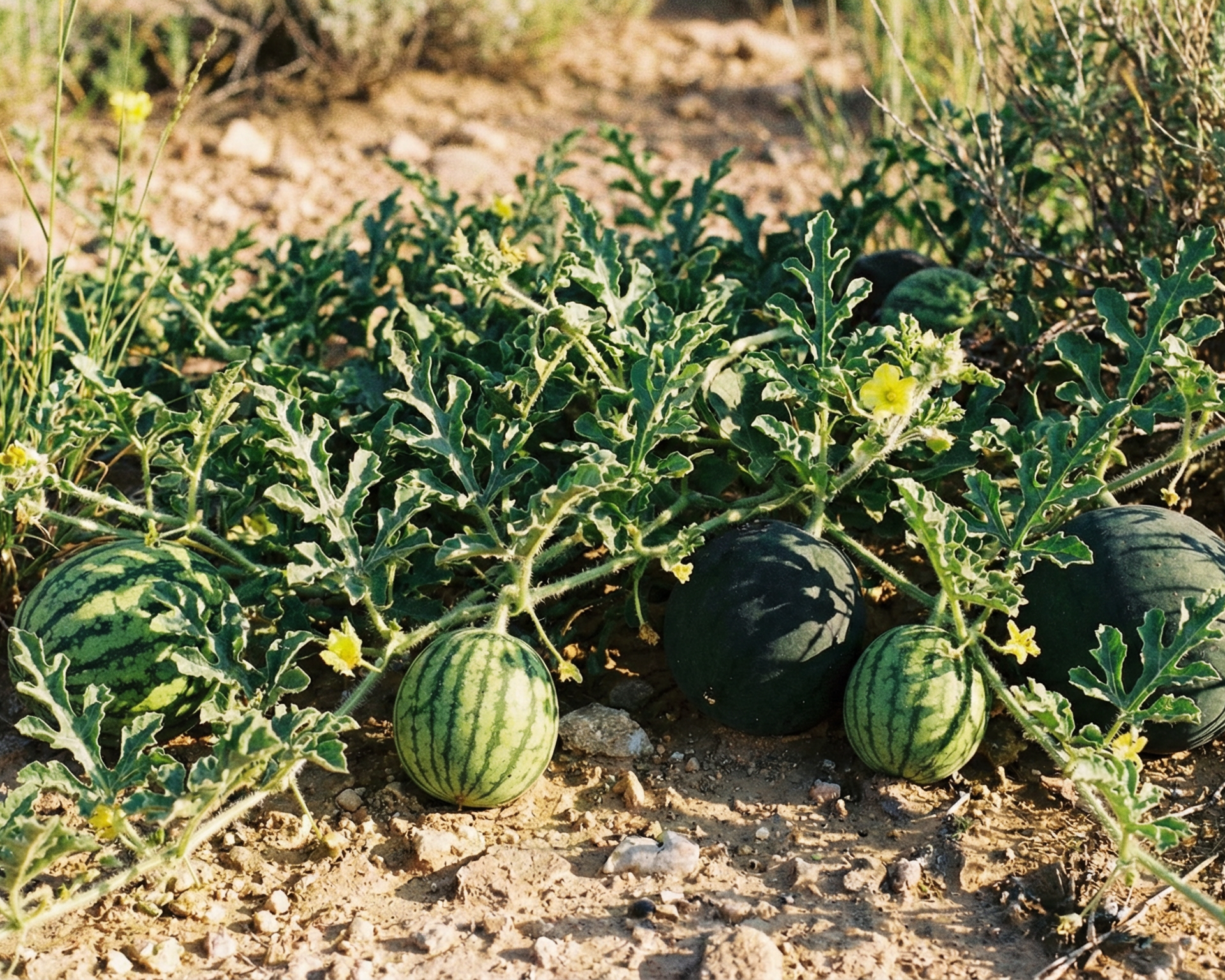
Citrullus lanatus
Watermelon (Citrullus lanatus) is the most iconic species within the Citrullus genus, a group of desert-dwelling vines belonging to the Cucurbitaceae family. Originally from Africa, this genus has adapted to thrive in arid environments. Read more
1 nursery · 2 matching options
Choose a city or ZIP to find nearby growers. Showing nationwide listings until you choose an area.
On siteMililani, HI
2options
Listed as “Citrullus lanatus ʻPapayaʻ (Watermelon)”
Call for pricing
Catalog checked Nov 15, 2026. Confirm availability before visiting.
Showing 1 to 1 of 1 nursery
Explore the complete plant collection, including varieties with no nursery listings yet.
Not yet listed: Astrahan, Baby Doll, Black Diamond, Blacktail Mountain, Cal Sweet Bush, Çekirdeği Oyalı, Charleston Gray, Charleston Grey 133, Cracker jack F1, Cream of Saskatchewan, Crimson Sweet, Desert King Watermelon, Doll Babies Organic, Early Moonbeam, Estrella, Faerie, Fascination, Georgia Rattlesnake, Harvest Moon, Homs Landrace, Ice Box, Jade Star, Janosik, Jubilee, Mardi Gras, Mayo, Mini Love, Mini Piccolo, Moon & Stars, Moon & Stars Organic, Moon and Stars, Navajo Winter, New Queen, O'odham Soam Miliñ, Orangeglo, Pollinator Ace Watermelon, Powerhouse, Rainbow Sherbet, Rio Grande Red Seeded, Rio San Miguel, Royal golden watermelon, Sangria, Santo Domingo Brown Seeded, Solitaire, Strawberry Watermelon, Sugar Baby, Sweet Beauty, Sweet Dawn, Sweet Gem, Sweet Siberian, Sweetie Pie, Yellow Doll, Yixuan
0 nurseries listed
Watermelon (Citrullus lanatus) is the most iconic species within the Citrullus genus, a group of desert-dwelling vines belonging to the Cucurbitaceae family. Originally from Africa, this genus has adapted to thrive in arid environments. While the genus includes other species like the citron melon (Citrullus amarus) and the colocynth (Citrullus colocynthis), it is the sweet, juicy watermelon that has achieved global popularity and cultivation.
Citrullus species are characterized by their prostrate, hairy vines and deeply lobed leaves. As xerophytes, they are well-suited to dry climates. The plants are typically monoecious, bearing both male and female flowers. The fruit is a pepo, a type of berry with a hard rind and fleshy interior. The wild ancestors of the modern watermelon were likely small, bitter fruits, a far cry from the large, sweet varieties we enjoy today.
The primary significance of the Citrullus genus lies in the cultivation of watermelon as a major food crop. Its refreshing flesh is a popular summer treat, and it is a good source of vitamins and hydration. Beyond the fruit, other parts of the plant have their uses. The seeds of the egusi melon (Citrullus mucosospermus) are a staple food in parts of West Africa, valued for their high oil and protein content. Historically, other species like the colocynth have been used in traditional medicine, though their use is limited due to their potent and potentially toxic properties.'