ZZ Plant
4 nurseries listed
Compare nurseries
4 nurseries · 24 matching options
4 locations on the map. Select a marker or a nursery to compare.
Preparing the map…
Your location isn’t saved. Confirm availability and visiting hours with the nursery.
About ZZ Plant
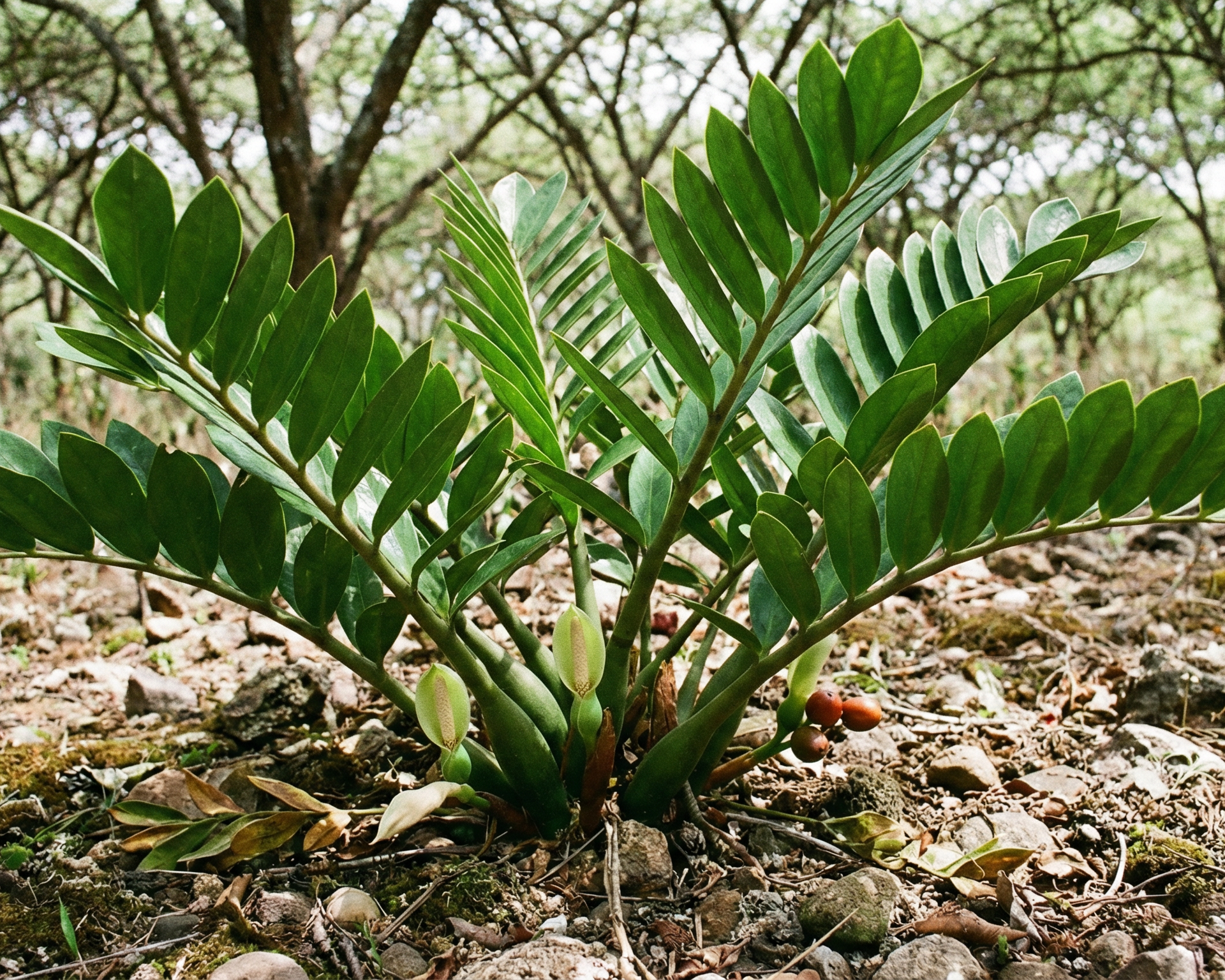
The ZZ Plant, or Zamioculcas zamiifolia, is a tropical perennial plant native to the dry grasslands and forests of Eastern Africa. A member of the Araceae family, it is the only species in the Zamioculcas genus. It has gained immense popularity worldwide as a houseplant, celebrated for its stunning, glossy foliage and remarkable resilience. Its tolerance for a wide range of conditions, particularly low light and infrequent watering, makes it an ideal choice for both novice and experienced plant enthusiasts. The most striking feature of the ZZ Plant is its beautiful, pinnately compound leaves that emerge from a thick, underground rhizome. These leaves are erect and can grow up to 3 feet long, bearing 6-8 pairs of smooth, waxy, and deep green leaflets. The plant's rhizomes are large, potato-like structures that store water, contributing to its exceptional drought tolerance. While it does flower, its blooms are infrequent and rather inconspicuous, consisting of a small, whitish spadix partially hidden by a green spathe near the base of the stems. Caring for a ZZ Plant is remarkably simple. It thrives in bright, indirect light but can adapt to low-light environments, although its growth may be slower. Direct sunlight should be avoided as it can scorch the leaves. The plant's water-storing rhizomes make it susceptible to overwatering, so it is crucial to allow the soil to dry out completely between waterings. A well-draining potting mix is essential to prevent root rot. The ZZ Plant is a slow grower and only requires fertilization once or twice a year during its growing season. Primarily grown for its ornamental value, the ZZ Plant is a staple in homes, offices, and commercial interiorscapes, adding a touch of lush greenery. Beyond its decorative use, it has a history of use in traditional medicine in some parts of Africa, where its leaves and roots have been used to treat various ailments. However, it is important to note that all parts of the plant are considered toxic to humans and pets if ingested, as they contain calcium oxalate crystals, which can cause skin irritation and digestive discomfort.