The genus Vaccinium is a diverse group of shrubs belonging to the heath family (Ericaceae), encompassing around 450 species. These plants are widespread throughout the Northern Hemisphere, with some species extending into southern regions. While the genus includes well-known fruits like cranberries and lingonberries, it is most famously represented by the blueberry, which has become the common name for the group due to its widespread cultivation and popularity. The name Vaccinium itself has classical Latin roots, possibly referring to the bilberry, a close relative of the blueberry.
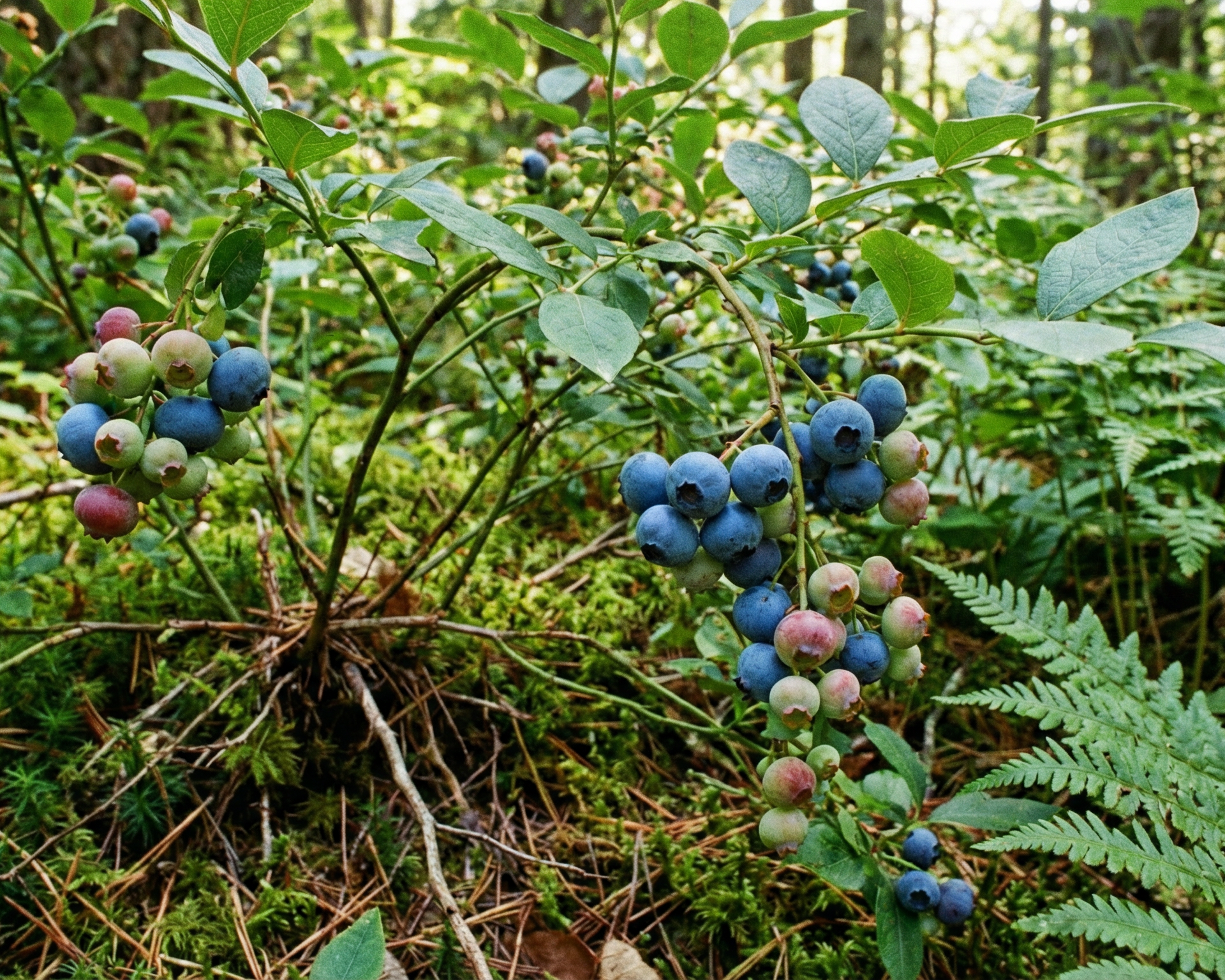
Blueberry plants are typically deciduous shrubs that vary in size from low-growing varieties to taller, highbush forms that can reach up to 12 feet in height. They are characterized by their small, urn-shaped flowers, which range in color from white to pale pink and grow in clusters. The fruit of the blueberry plant is a true berry, containing many small seeds. The leaves are typically glossy green, and many varieties offer vibrant fall foliage in shades of orange and maroon, adding to their ornamental value.
The primary significance of blueberries lies in their culinary use. They are a popular fruit consumed fresh and are also a key ingredient in a wide array of products, including jams, jellies, pies, and muffins. Beyond their taste, blueberries are renowned for their nutritional benefits, being rich in antioxidants, vitamins, and fiber. In addition to their culinary and health value, blueberry plants are also used in landscaping for their attractive appearance and relatively low maintenance requirements.
Cultivation of blueberries requires specific conditions for optimal growth. They thrive in acidic soils with good drainage and prefer locations with full sun exposure, although they can tolerate some partial shade. The plants are perennial and can be productive for many years if properly maintained. Different species and cultivars are adapted to various climates, from the cold-hardy lowbush blueberries of North America to the southern highbush varieties suited for warmer regions.
 On site