202 Tree Center - Chadds Ford
Chadds Ford, PA
10 options
From $180.00
Catalog checked Oct 1, 2026. Confirm availability before visiting.
Cedrus spp.
8 nurseries listed
8 nurseries · 85 matching options
Chadds Ford, PA
10 options
From $180.00
Catalog checked Oct 1, 2026. Confirm availability before visiting.
Silverton, OR
40 options
From $44.99
Catalog checked Sep 29, 2026. Confirm availability before visiting.
Mt. Juliet, TN
2 options
Call for pricing
Catalog checked Oct 4, 2026. Confirm availability before visiting.
Carpinteria, CA
6 options
From $10.00
Catalog checked Oct 1, 2026. Confirm availability before visiting.
Oakland, CA
1 option
Call for pricing
Catalog checked Oct 1, 2026. Confirm availability before visiting.
Albany, OR
20 options
Call for pricing
Catalog checked Oct 1, 2026. Confirm availability before visiting.
Sigel, IL
5 options
From $80.00
Catalog checked Oct 1, 2026. Confirm availability before visiting.
Aiken, SC
1 option
Call for pricing
Catalog checked Oct 1, 2026. Confirm availability before visiting.
Showing 1–8 of 8 nurseries
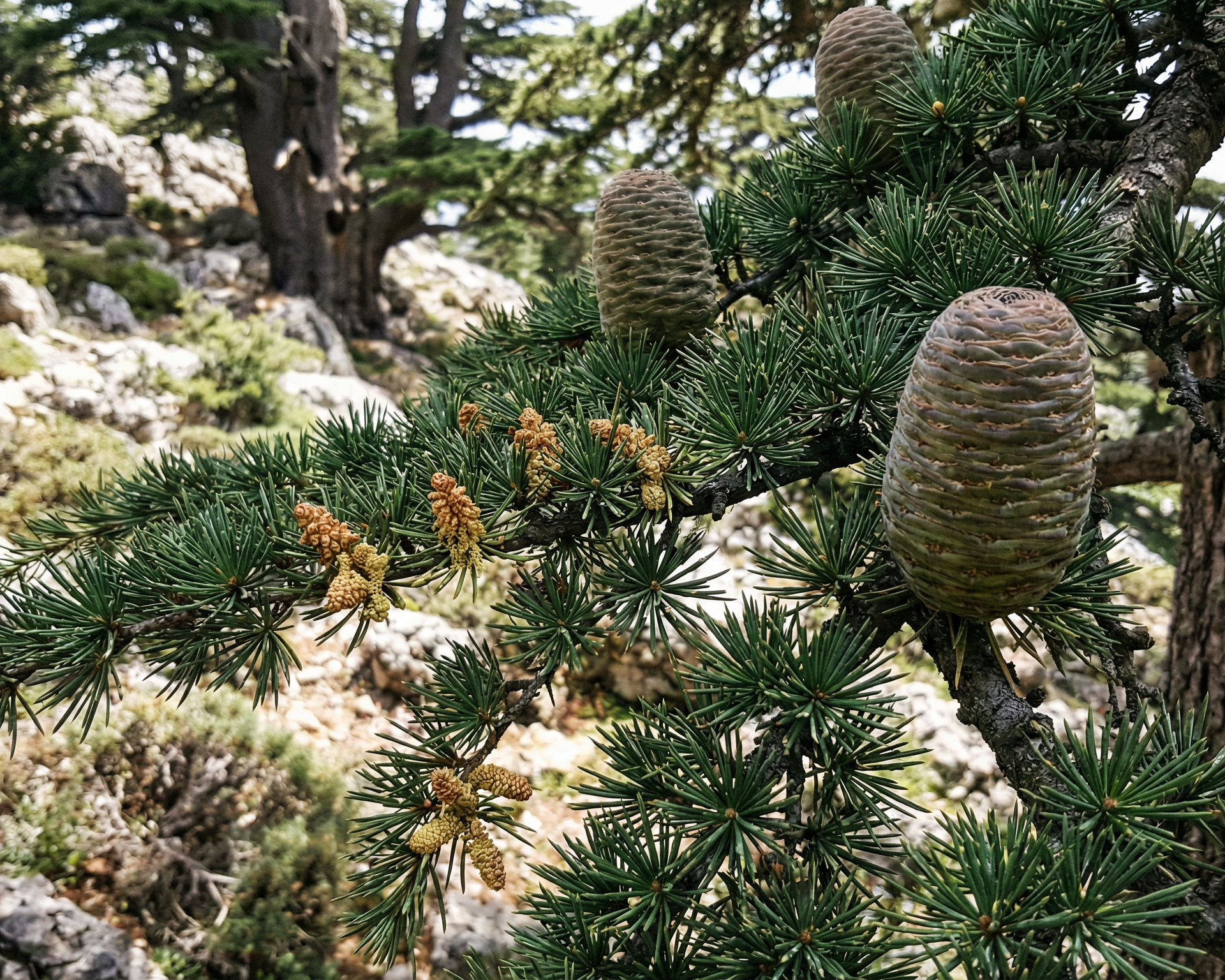
Overview and Introduction The genus Cedrus, commonly known as cedar or true cedar, belongs to the pine family (Pinaceae). These majestic coniferous trees are native to the mountainous regions of the western Himalayas and the Mediterranean. The genus comprises four closely related species: the Atlas cedar (Cedrus atlantica), the Cyprus cedar (Cedrus brevifolia), the Deodar cedar (Cedrus deodara), and the renowned cedar of Lebanon (Cedrus libani). While some botanists consider these to be geographical variants of a single species, they are generally treated as distinct species. Cedars are highly valued for their ornamental beauty and their durable, aromatic wood, which has been used for thousands of years. Key Characteristics True cedars are large evergreen trees that can reach impressive heights of 30-40 meters, with some specimens growing even taller. They have a characteristic conical shape when young, which becomes broader and more irregular with age, featuring massive, spreading branches. The bark is smooth and dark gray on young trees, becoming brown, furrowed, and scaly as the tree matures. The needle-like leaves are arranged in dense clusters on short spurs and are typically stiff and three-sided. The color of the foliage can range from bright green to a glaucous blue-green. A distinctive feature of the genus is its large, barrel-shaped cones that stand upright on the branches and disintegrate at maturity to release winged seeds. Uses and Significance Cedarwood is highly prized for its pleasant aroma, light weight, and natural resistance to decay and insects. Historically, it was used extensively for building temples, palaces, and ships. The cedar of Lebanon, in particular, holds significant cultural and historical importance, being mentioned in ancient texts, including the Epic of Gilgamesh and the Bible. Today, cedars are widely cultivated as ornamental trees in parks, gardens, and private estates around the world. Their majestic form and attractive foliage make them a popular choice for landscaping. The aromatic wood is also used for making chests, closets, and other items where its moth-repellent quality is valued. Growing Conditions and Care Cedars thrive in mountainous climates and are well-adapted to a range of conditions. They generally prefer well-drained soil and a sunny location. In their native habitat, they are found at high altitudes, receiving winter precipitation in the form of snow and experiencing dry summers in the Mediterranean, or monsoon rainfall in the Himalayas. While they are relatively hardy, they can be susceptible to certain pests and diseases, particularly when stressed by drought or other environmental factors. When cultivated, they require minimal care once established, making them a low-maintenance option for large landscapes.