 Plants they list
Just Fruits and Exotics
Crawfordville, FL
1option
Shipping offered
Listed as “Coconut Palm Tree”
Variety not confirmed7 gal$69.99
Catalog checked Nov 15, 2026. Confirm availability and delivery area.
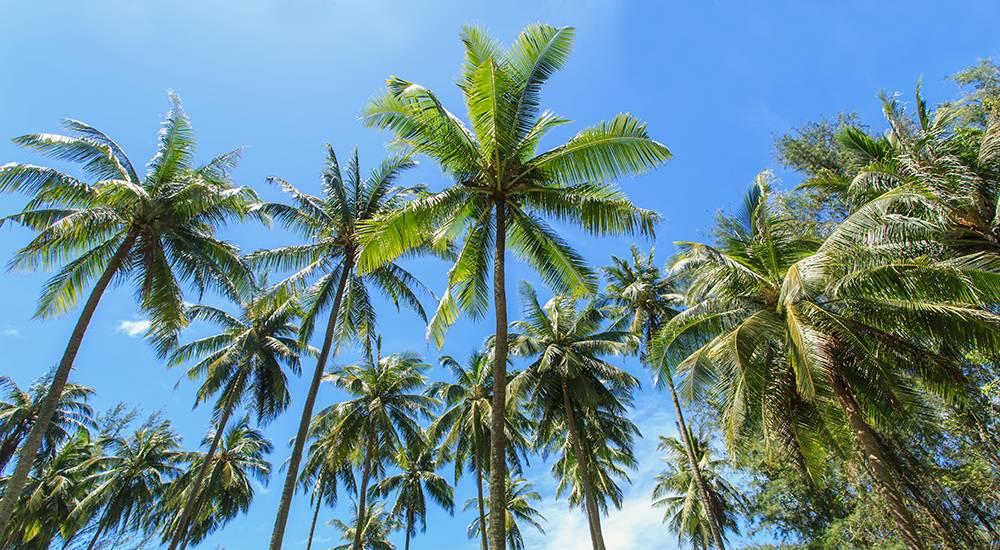
Cocos nucifera
The coconut tree (Cocos nucifera) is a member of the palm family (Arecaceae) and the only living species of the genus Cocos. Read more
1 nursery · 1 matching option
Nurseries with recorded shipping, across all locations. Confirm delivery to your address and availability on the nursery website.
Plants they listCrawfordville, FL
1option
Listed as “Coconut Palm Tree”
$69.99
Catalog checked Nov 15, 2026. Confirm availability and delivery area.
Showing 1 to 1 of 1 nursery
Explore the complete plant collection, including varieties with no nursery listings yet. Counts reflect your location and shopping filters.
Not yet listed: Aromatic Dwarf, Chowghat Orange Dwarf, East Coast Tall, Fiji Dwarf, Jamaica Tall, Jamaican Tall, Kalpa Pratibha, Kalpa Suvarna, Kalparaksha, Kalpasree, Malayan Dwarf, Malayan Golden Dwarf, Maypan, Panama Tall, Spicata, West Coast Tall
0 nurseries listed
The coconut tree (Cocos nucifera) is a member of the palm family (Arecaceae) and the only living species of the genus Cocos. It is a large palm, growing up to 30 meters (100 feet) tall, with a slender, leaning, ringed trunk and a crown of pinnate leaves that can be 4–6 meters (13–20 feet) long. The term "coconut" can refer to the entire coconut palm, the seed, or the fruit, which, botanically, is a drupe, not a nut. Coconuts are ubiquitous in coastal tropical regions and are a primary crop of the tropics.
Key characteristics of the coconut palm include its impressive height and distinctive foliage. The trunk is smooth and light gray, often curved and swollen at the base. The leaves are large and feather-like, breaking away cleanly as they age. The tree is monoecious, bearing both male and female flowers in the same inflorescence. The fruit is ovoid, with a thick, fibrous husk (mesocarp) surrounding a hard, woody shell (endocarp). Inside the shell is the white, edible flesh (endosperm) and a clear liquid known as coconut water. The tree is intolerant of cold and thrives in humid, frost-free coastal lowlands with ample rainfall and full sun.
The coconut is a plant of immense economic and cultural significance. The flesh can be eaten fresh or dried (copra) and is a source of coconut oil, a major vegetable oil used in cooking, cosmetics, and soaps. Coconut milk, made from the grated flesh, is a staple ingredient in many tropical cuisines. The fibrous husk provides coir, a versatile fiber used for ropes, mats, and brushes. The hard shells are used for charcoal and handicrafts. Beyond its material uses, the coconut holds cultural and religious importance in many societies, particularly in Austronesian and South Asian cultures, where it features in myths, songs, and rituals.