Curry tree
Murraya koenigii
5 nurseries listed
Compare nurseries
5 nurseries · 9 matching options
5 locations on the map. Select a marker or a nursery to compare.
Preparing the map…
Your location isn’t saved. Confirm availability and visiting hours with the nursery.
About Curry tree
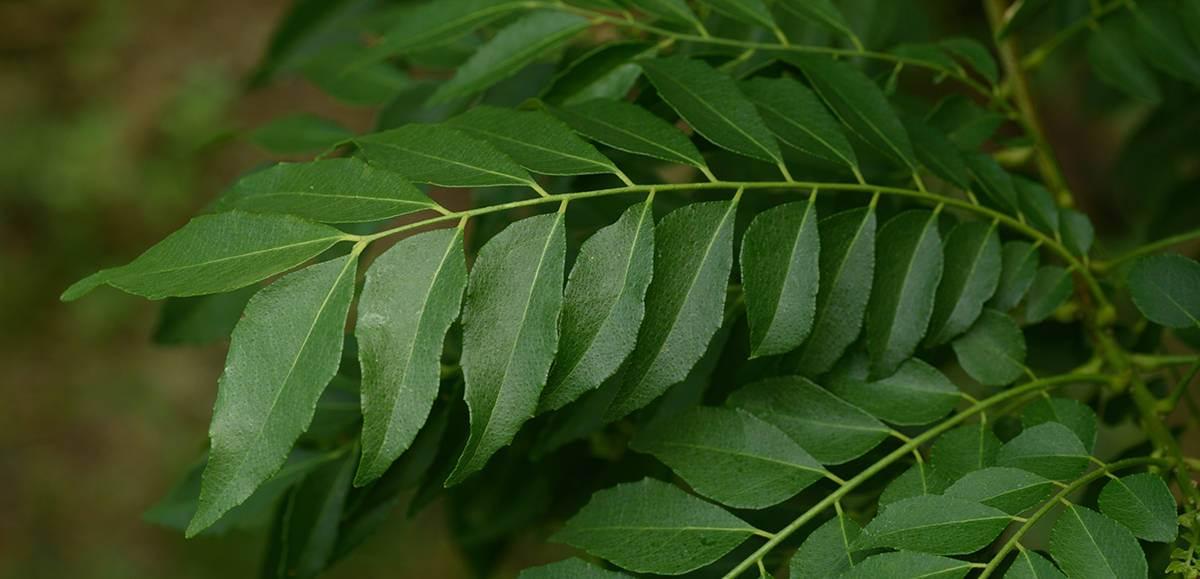
The genus Murraya belongs to the citrus family, Rutaceae, and is native to Asia, Australia, and the Pacific Islands [1]. This genus comprises over 17 species of evergreen shrubs and small trees [4]. While several species are cultivated as ornamental plants, the most famous member of this genus is undoubtedly the Curry Tree (Murraya koenigii), a plant whose leaves are a staple in South Indian and Southeast Asian cuisine [2]. Murraya species are characterized by their glossy, pinnate leaves, which are aromatic when crushed. They produce small, fragrant white flowers that are followed by small, berry-like fruits [1]. The Curry Tree (M. koenigii) is a small tree that can grow up to 6 meters tall, with aromatic leaves that are highly valued for their flavor [2]. Another popular species, M. paniculata or Orange Jasmine, is a smaller shrub known for its intensely fragrant flowers that smell like orange blossoms [3] [5]. The primary significance of the Murraya genus lies in the culinary use of the Curry Tree. The leaves are used fresh or dried to flavor curries, soups, and other dishes [2]. Beyond its culinary value, the Curry Tree also has a long history of use in traditional medicine. Other species like Orange Jasmine are popular ornamental plants in gardens and as houseplants, prized for their beautiful, fragrant flowers [3]. The genus holds cultural and economic importance in the regions where it is native [4]. References [1] [Murraya - Wikipedia](https://en.wikipedia.org/wiki/Murraya) [2] [Curry tree - Wikipedia](https://en.wikipedia.org/wiki/Curry_tree) [3] [Murraya paniculata - Plant Finder - Missouri Botanical Garden](https://www.missouribotanicalgarden.org/PlantFinder/PlantFinderDetails.aspx?taxonid=286748) [4] [Phytochemistry and Biological Activities of Murraya Species - PMC](https://pmc.ncbi.nlm.nih.gov/articles/PMC10421387/) [5] [How to Grow and Care for Orange Jasmine](https://www.thespruce.com/growing-orange-jasmine-home-garden-3269248)
Plant facts
- Sun
- Full Sun, Partial Sun, Partial Shade
- Water
- Regular, Drought Tolerant
- USDA zones
- 9-11
- Lifecycle
- Perennial
Variety guides
Explore the complete plant collection, including varieties with no nursery listings yet.