 On site
Little Red Wagon Native Nursery
Tampa, FL
2options
Listed as “Calusa Grape (Vitis shuttleworthii)”
Variety not confirmed3 galLowest priced listingFrom $42.00
Catalog checked Nov 15, 2026. Confirm availability before visiting.
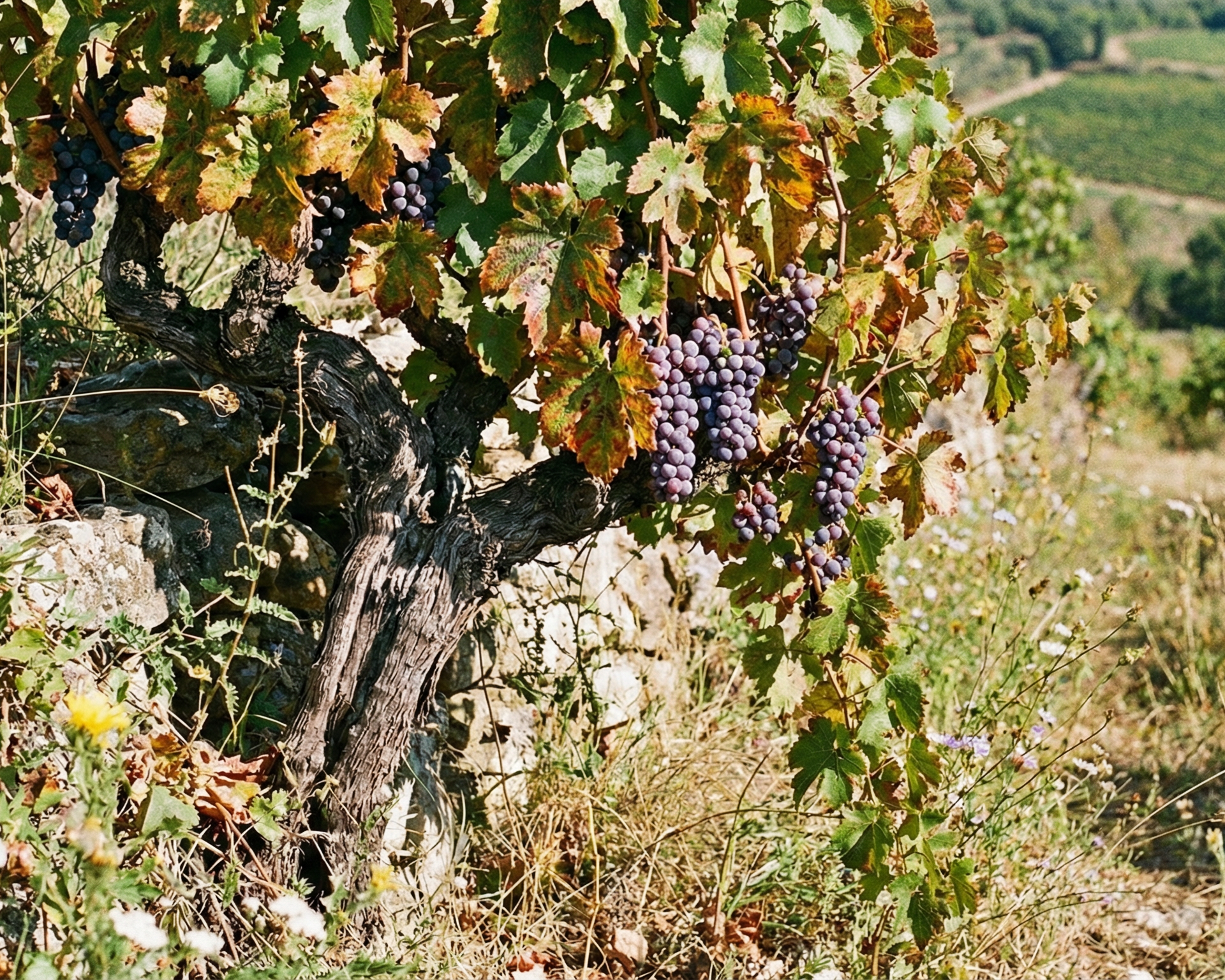
Vitis spp.
The genus Vitis, commonly known as grape, consists of about 80 species of woody, deciduous vines in the grape family (Vitaceae). Read more
27 nurseries · 178 matching options
On siteTampa, FL
2options
Listed as “Calusa Grape (Vitis shuttleworthii)”
From $42.00
Catalog checked Nov 15, 2026. Confirm availability before visiting.
 On site
Moorpark, CA
1option
Listed as “Vitis girdiana”
Call for pricing
Catalog checked Nov 15, 2026. Confirm availability before visiting.
 On site
Berkeley, CA
2options
Listed as “Vitis californica”
From $12.00
Catalog checked Nov 15, 2026. Confirm availability before visiting.
 On site
Encinitas, CA
2options
Listed as “Vitis girdiana Desert Wild Grape”
Call for pricing
Catalog checked Nov 15, 2026. Confirm availability before visiting.
 Plants they list
Stanford, KY
9options
Listed as “Lomanto Grape”
From $39.99
Varieties:Lomanto
Catalog checked Nov 15, 2026. Confirm availability before visiting.
 On site
Los Angeles, CA
6options
Listed as “Vitis californica, California wild grape”
Call for pricing
Catalog checked Nov 15, 2026. Confirm availability before visiting.
 On site
West Monroe, LA
5options
Listed as “Muscadine Grape - Cowart”
Call for pricing
Catalog checked Nov 15, 2026. Confirm availability before visiting.
 On site
Longview, TX
3options
Listed as “Muscadine ‘Carlos’”
Call for pricing
Catalog checked Nov 15, 2026. Confirm availability before visiting.
Showing 17 to 24 of 27 nurseries
Load more nurseriesExplore the complete plant collection, including varieties with no nursery listings yet.
Not yet listed: African Queen, Agawam, Alwood, Aurora, Big Red, Black Beauty, Black Fry, Black Monukka Seedless, Black Spanish (Lenoir), Blue Lake, Buffalo, Cabernet Sauvignon, Caco, Canadice, Cascade, Catawba, Cayuga White, Chambourcin, Champagne, Chancellor, Chardonel, Chardonnay, Chelois, Concord, Conquistador, Creek, Darlene, Daytona, Delaware, Dixieland, Doreen, Dulcet, Early Fry, Eudora, Farrer, Florida Fry, Florida Onyx, Fredonia, Frontenac, Golden Isles, Golden Muscat, Granny Val, Higgins, Himrod, Interlaken, Ison, Jupiter, La Crescent, Lake Emerald, Loomis, Magnolia, Majesty, Marquette, Mars, Merlot, Midsouth, Miss Blue, Muscat of Alexandria, Neptune, Niagara, Ontario, Orlando Seedless, Pam, Paulk, Pineapple, Pinot Noir, Polyanna, Red Globe, Reliance Grape, Reliance Seedless, Saturn, Scuppernong, Seyval Blanc, Shiraz, Stover, Sunbelt, Suwanee, Sweet Jenny, Tara, Traminette, Valiant, Van Buren, Venus, Villard Blanc, Zinfandel
0 nurseries listed
The genus Vitis, commonly known as grape, consists of about 80 species of woody, deciduous vines in the grape family (Vitaceae). Native primarily to the Northern Hemisphere, these plants are most famous for their fruit, which is consumed fresh as table grapes, dried as raisins, or fermented to produce wine. The study and cultivation of grapes is a specialized field known as viticulture. The most economically and culturally significant species is Vitis vinifera, the common grape vine, which originated in the Mediterranean region, Central Europe, and southwestern Asia and is the source of most of the world's wine grapes.
Grapes are vigorous climbing plants that use forked tendrils to attach themselves to supporting structures, capable of reaching impressive lengths if left unpruned. Their leaves are typically large, heart-shaped at the base, and palmately lobed with toothed edges. Inconspicuous, greenish flowers are borne in dense clusters called inflorescences, which develop into the familiar bunches of fruit. The fruit itself is a berry that comes in a wide variety of colors, including green, red, purple, and black. While wild species are typically dioecious (having separate male and female plants), cultivated varieties have been selected for perfect flowers, containing both reproductive parts, to ensure reliable fruit production.
Beyond their primary role in food and winemaking, grapes hold significant cultural and ornamental value. The vines, with their gnarled, shredding bark and bold foliage that often turns brilliant colors in the fall, are used in landscaping to cover arbors, pergolas, and walls, providing shade and visual interest throughout the year. The fruit is a food source for wildlife, particularly birds. While commercially cultivated varieties require significant maintenance, including regular pruning and pest management to control for issues like phylloxera and various fungal diseases, their versatility and rich history make them a cornerstone of horticulture and agriculture worldwide.