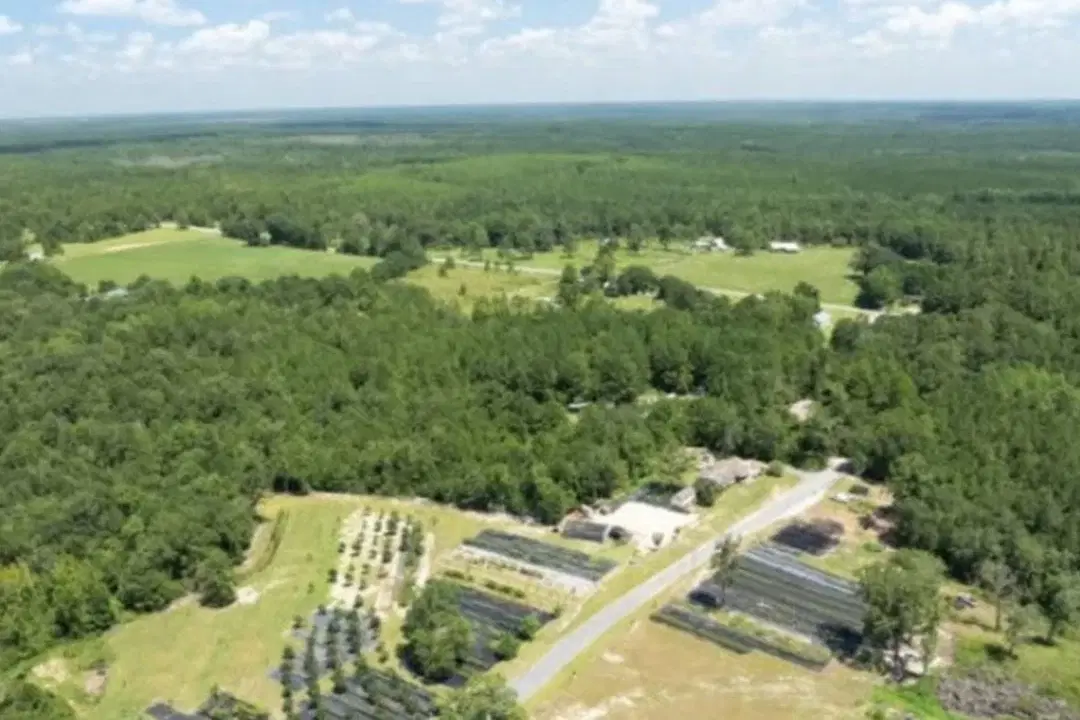
 On site
Advanced Nursery Growers
Defuniak Springs, FL
2options
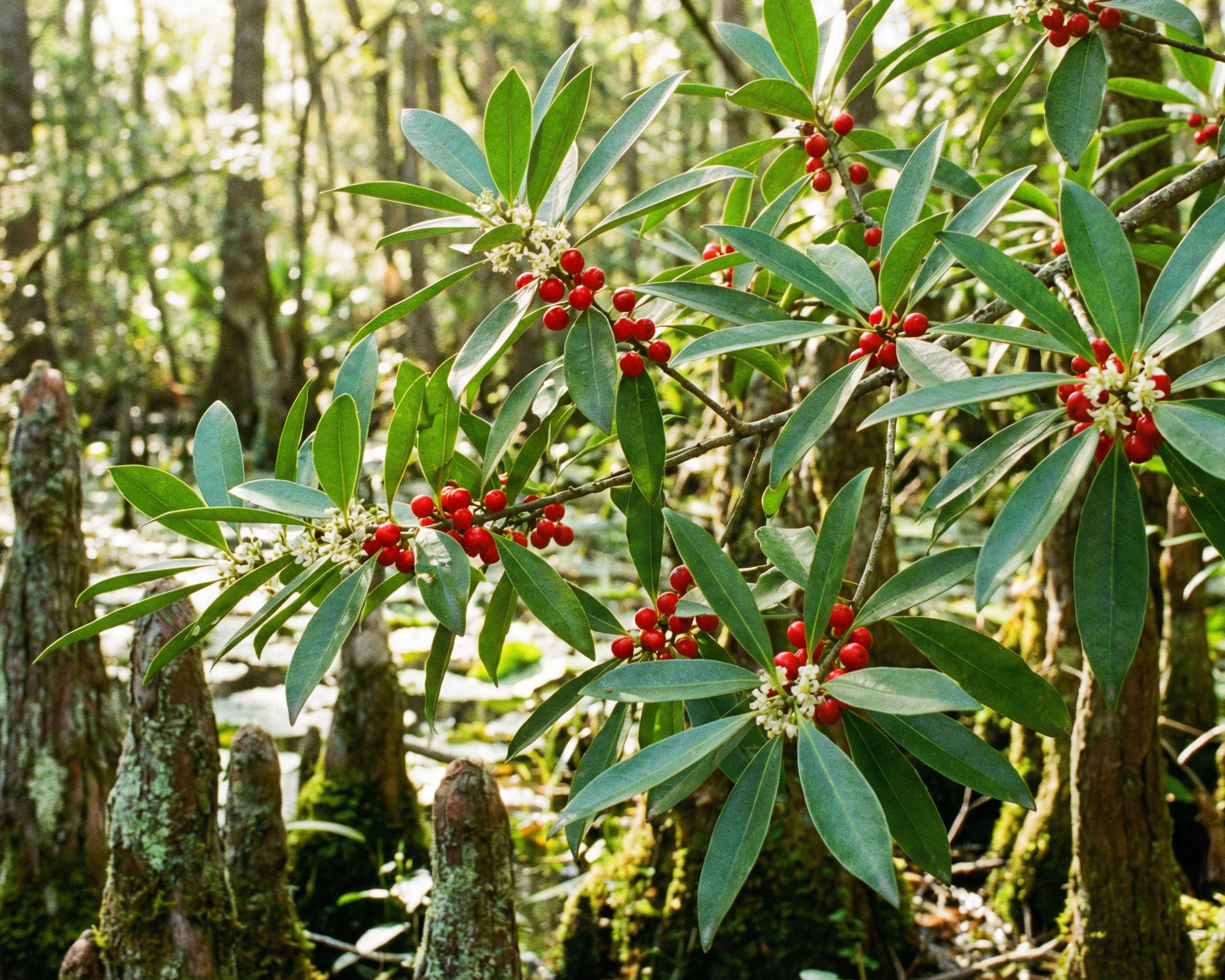
Listed as “Red Champ Mayhaw Tree”
Variety not confirmed3 galLowest priced listingFrom $30.00
Catalog checked Nov 15, 2026. Confirm availability before visiting.
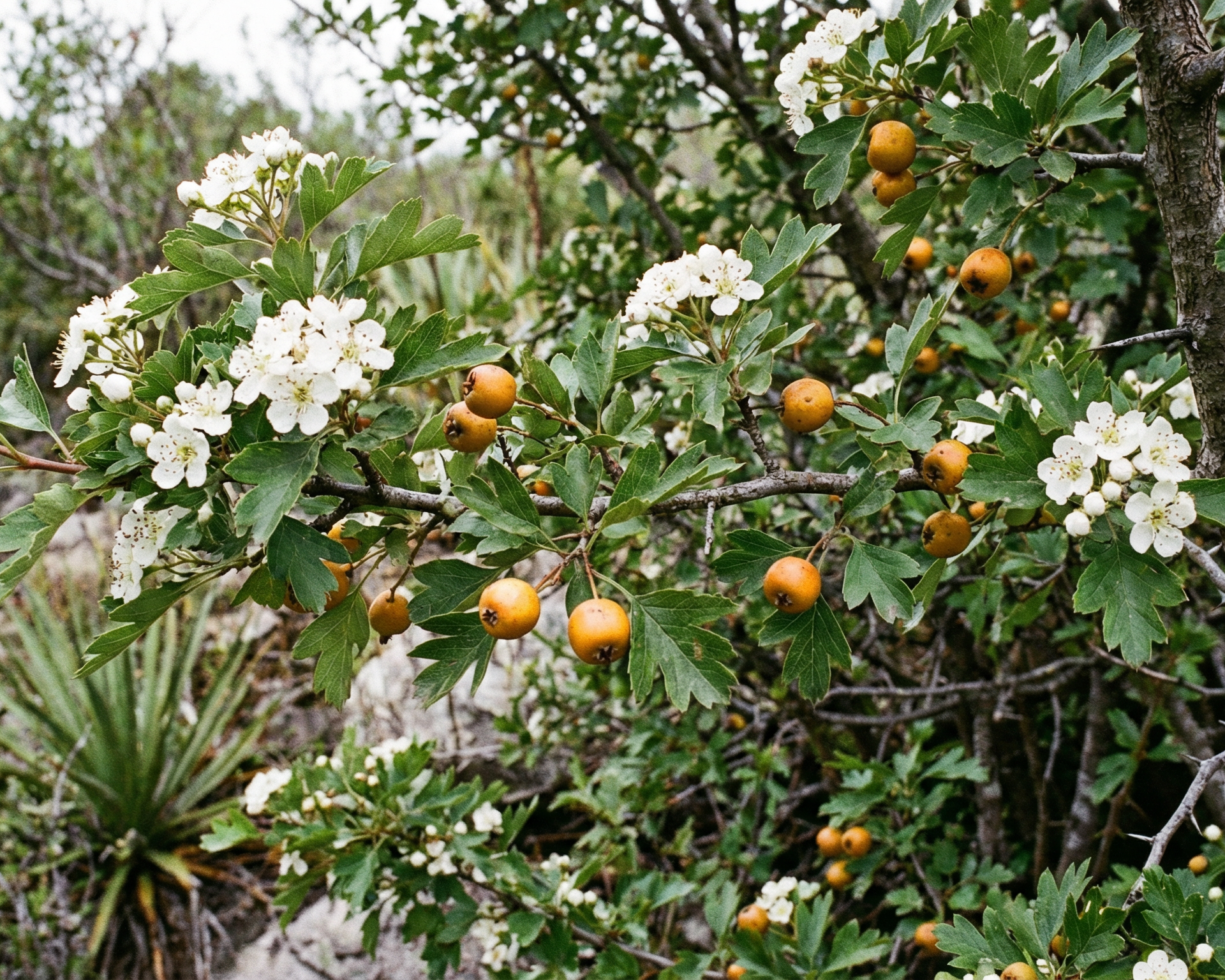
Crataegus spp.
Hawthorn (Crataegus) is a large genus of shrubs and small trees in the rose family, Rosaceae, native to temperate regions of the Northern Hemisphere in Europe, Asia, and North America. Read more
18 nurseries · 63 matching options
On siteDefuniak Springs, FL
2options
Listed as “Red Champ Mayhaw Tree”
From $30.00
Catalog checked Nov 15, 2026. Confirm availability before visiting.
 On site
Portland, OR
4options
Listed as “Crataegus douglasii 1gal Black Hawthorn”
Call for pricing
Catalog checked Nov 15, 2026. Confirm availability before visiting.
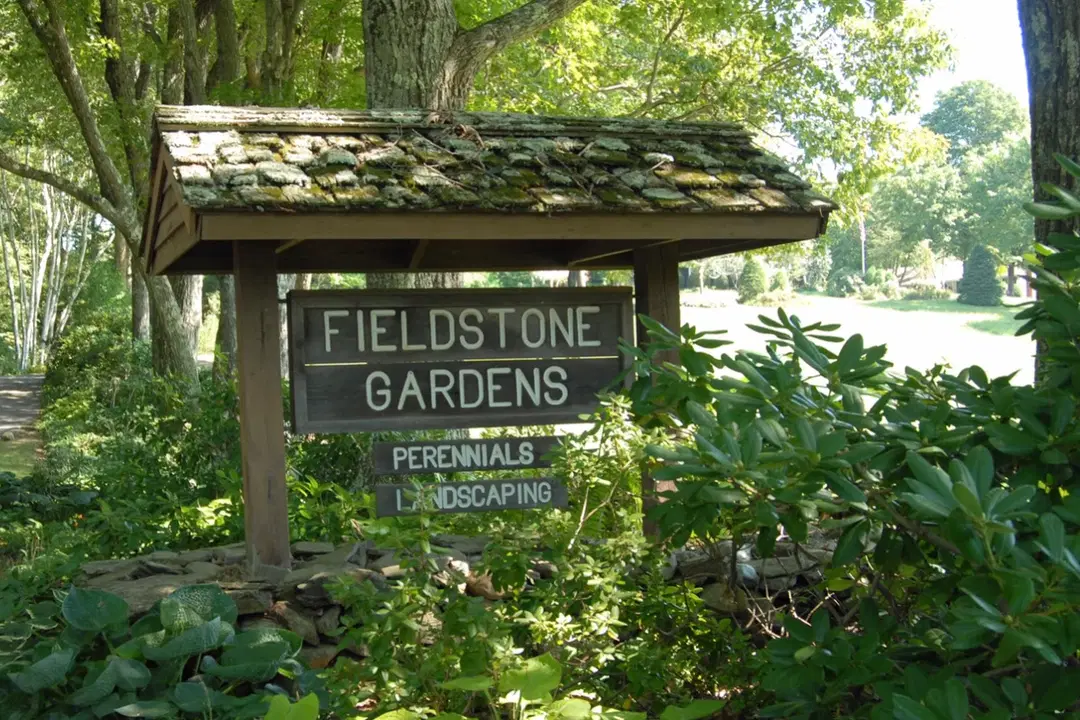 On site
Vassalboro, ME
1option
Listed as “Crataegus laevigata ‘Crimson Cloud’ (Hawthorn)”
Call for pricing
Catalog checked Nov 15, 2026. Confirm availability before visiting.
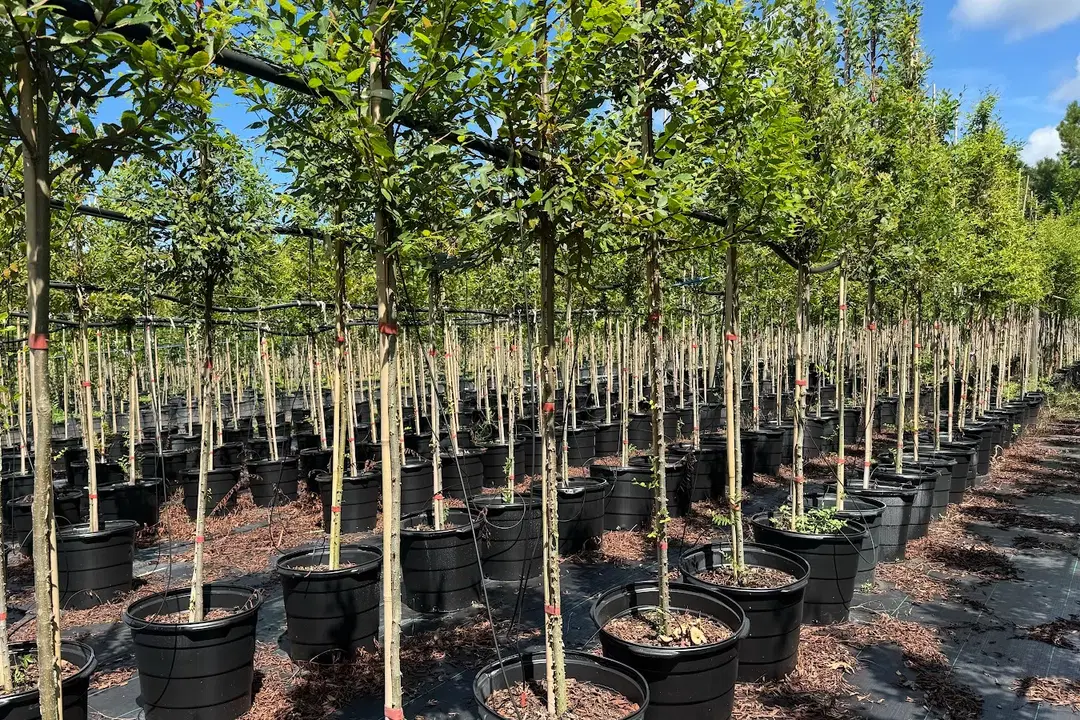 On site
Pierson, FL
2options
Listed as “Mayhaw (Crataegus Aestivalis)”
From $10.00
Catalog checked Nov 15, 2026. Confirm availability before visiting.
 Plants they list
Groveland, FL
1option
Listed as “Summer Haw / Crataegus flava*”
Call for pricing
Catalog checked Oct 2, 2026. Confirm availability before visiting.
 On site
San Francisco, CA
1option
Listed as “Crataegus phaenopyrum”
Call for pricing
Catalog checked Nov 15, 2026. Confirm availability before visiting.
 Plants they list
Crawfordville, FL
9options
Listed as “Native Mayhaw Tree”
From $29.99
Varieties:Big Red
Catalog checked Nov 15, 2026. Confirm availability before visiting.
 Plants they list
Liberty, SC
2options
Listed as “Crataegus phaenopyrum ~ Washington Hawthorn”
Call for pricing
Catalog checked Nov 15, 2026. Confirm availability before visiting.
Showing 1 to 8 of 18 nurseries
Load more nurseriesExplore the complete plant collection, including varieties with no nursery listings yet.
Not yet listed: Lori, Mason's Superberry, Saline, Texas Star
0 nurseries listed
Hawthorn (Crataegus) is a large genus of shrubs and small trees in the rose family, Rosaceae, native to temperate regions of the Northern Hemisphere in Europe, Asia, and North America. Commonly known as hawthorn, thornapple, May-tree, or whitethorn, the genus includes several hundred species. These plants are characterized by their thorny branches, from which the name "hawthorn" is derived (from the Old English "haga-þorn," meaning "hedge-thorn"). Hawthorns are deciduous, with simple leaves that are often lobed or toothed. They are widely recognized for their clusters of white or pink flowers that bloom in the spring, followed by small, apple-like fruits called "haws."
The physical characteristics of hawthorns can vary, but most species grow to a height of 15-50 feet. The bark is typically smooth and gray on young trees, becoming fissured with age. The branches are armed with sharp, woody thorns, which can be up to 3 inches long. The leaves are spirally arranged on long shoots and in clusters on spur shoots. In the spring, hawthorns produce an abundance of fragrant, five-petaled flowers. The fruit, or "haws," are small pomes that range in color from red to black and typically contain one to five seeds. These haws persist on the tree into the winter, providing a valuable food source for birds and other wildlife.
Hawthorns have a long history of use by humans. The haws are edible and can be used to make jellies, jams, wines, and syrups. They are also used in traditional medicine, particularly for their purported benefits to cardiovascular health. The young leaves and flower buds are also edible and can be used in salads. In the landscape, hawthorns are valued as ornamental trees for their attractive flowers and fruit. Their dense, thorny habit makes them an excellent choice for hedges and barriers. Ecologically, they provide food and shelter for a wide variety of wildlife, including birds, insects, and small mammals.
Most hawthorn species are relatively easy to grow and are adaptable to a wide range of soil types, though they prefer well-drained soil and full sun. They are hardy in USDA zones 3-9. While generally low-maintenance, hawthorns are susceptible to several pests and diseases, most notably fire blight, a bacterial disease that can cause significant damage to the tree. Other potential issues include rusts, scabs, and leaf spots. Despite these potential problems, hawthorns remain a popular and valuable group of plants for both their ornamental and practical uses.