The John Fairey Garden Conservation Foundation
Hempstead, TX
1 option
Catalog checked Oct 1, 2026. Confirm availability before visiting.
Hibiscus syriacus ‘Sam McFadden’
Variety not confirmed
Ask about sizes$20.00
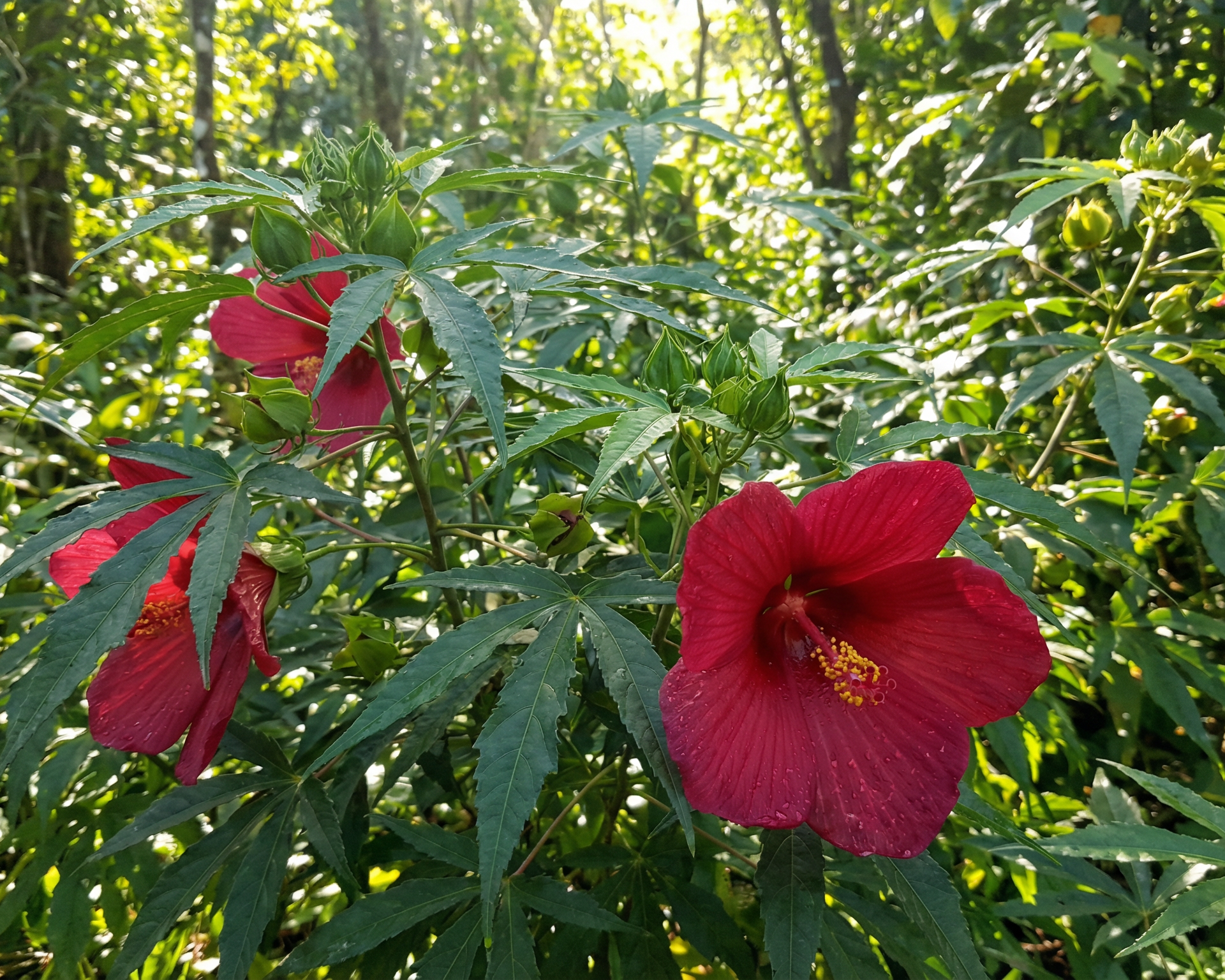
Hibiscus spp.
39 nurseries nationwide
39 nurseries · 354 matching options
Hempstead, TX
1 option
Catalog checked Oct 1, 2026. Confirm availability before visiting.
Hibiscus syriacus ‘Sam McFadden’
Variety not confirmed
$20.00
Rhinebeck, NY
1 option
Catalog checked Oct 4, 2026. Confirm availability before visiting.
Hibiscus laevis | Halberd-leaf rosemallow
Variety not confirmed
Call for pricing
Jacksonville, FL
2 options
From $15.00
Catalog checked Oct 1, 2026. Confirm availability before visiting.
Great Barrington, MA
1 option
Catalog checked Oct 1, 2026. Confirm availability before visiting.
Hibiscus Moscheutos
Variety not confirmed
$49.99
Tampa, FL
6 options
Call for pricing
Catalog checked Oct 1, 2026. Confirm availability before visiting.
Largo, FL
9 options
From $3.99
Catalog checked Oct 1, 2026. Confirm availability before visiting.
Aiken, SC
5 options
Call for pricing
Catalog checked Oct 1, 2026. Confirm availability before visiting.
Showing 33–39 of 39 nurseries
Hibiscus is a genus of flowering plants in the mallow family, Malvaceae. It is a large genus, comprising several hundred species that are native to warm-temperate, subtropical, and tropical regions throughout the world. Member species are renowned for their large, showy flowers and are commonly known simply as hibiscus, or less widely as rose mallow. The genus includes both annual and perennial herbaceous plants, as well as woody shrubs and small trees. The leaves are alternate, ovate to lanceolate, often with a toothed or lobed margin. The flowers are large, conspicuous, trumpet-shaped, with five or more petals, and their color can range from white to pink, red, blue, orange, peach, yellow or purple. The key characteristic of the Hibiscus genus is its distinctive flower structure. The stamens are fused into a tube-like structure called a staminal column, which is a unique feature of the Malvaceae family. The fruit of the hibiscus plant is a dry, five-lobed capsule, containing several seeds in each lobe, which are released when the capsule dehisces (splits open) at maturity. The plants have a deep taproot, which helps them to be drought-tolerant. The leaves are typically dark green and glossy, providing an attractive backdrop to the vibrant flowers. Hibiscus has a wide range of uses and cultural significance. Many species are grown as ornamental plants for their beautiful flowers. Hibiscus sabdariffa is cultivated for its calyces, which are used to make a popular herbal tea that is consumed worldwide. This tea is known for its tart, cranberry-like flavor and is rich in vitamin C. In various cultures, the flowers of Hibiscus rosa-sinensis hold cultural and religious significance. For example, in India, the flowers are used in Hindu religious ceremonies. Some species of hibiscus have also been used in traditional medicine to treat a variety of ailments. Furthermore, the bark of some species contains strong fibers that have been used to make ropes and paper. In terms of cultivation, most hibiscus species thrive in full sun and well-drained soil. They require regular watering, especially during the growing season, but should not be overwatered. Depending on the species and climate, hibiscus can be grown as a perennial or an annual. In colder climates, tropical hibiscus varieties are often grown in containers and brought indoors during the winter. Pruning is beneficial for maintaining the shape of the plant and encouraging more prolific blooming. Hibiscus plants are susceptible to pests such as aphids and spider mites, so regular inspection and treatment are recommended to keep the plants healthy.
Explore the complete plant collection, including varieties with no nursery listings yet.