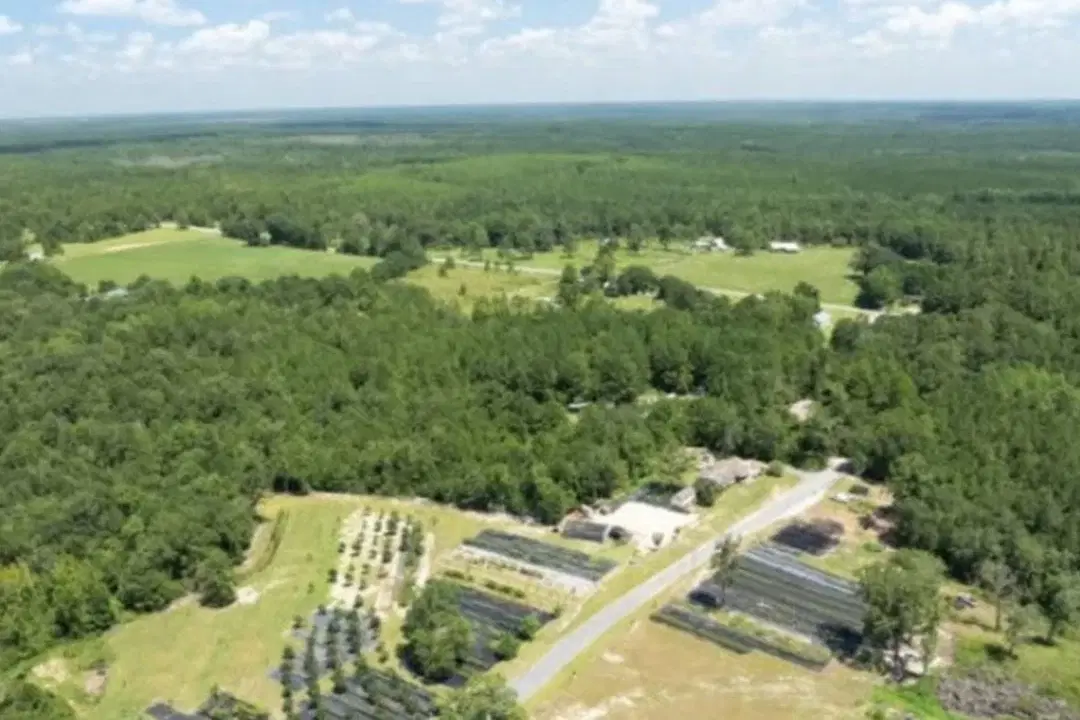
 On site
Advanced Nursery Growers
Defuniak Springs, FL
42options
Listed as “Rose of Sharon ‘Morning Star’”
Variety not confirmed4 in potLowest priced listingFrom $4.25
Catalog checked Nov 15, 2026. Confirm availability before visiting.
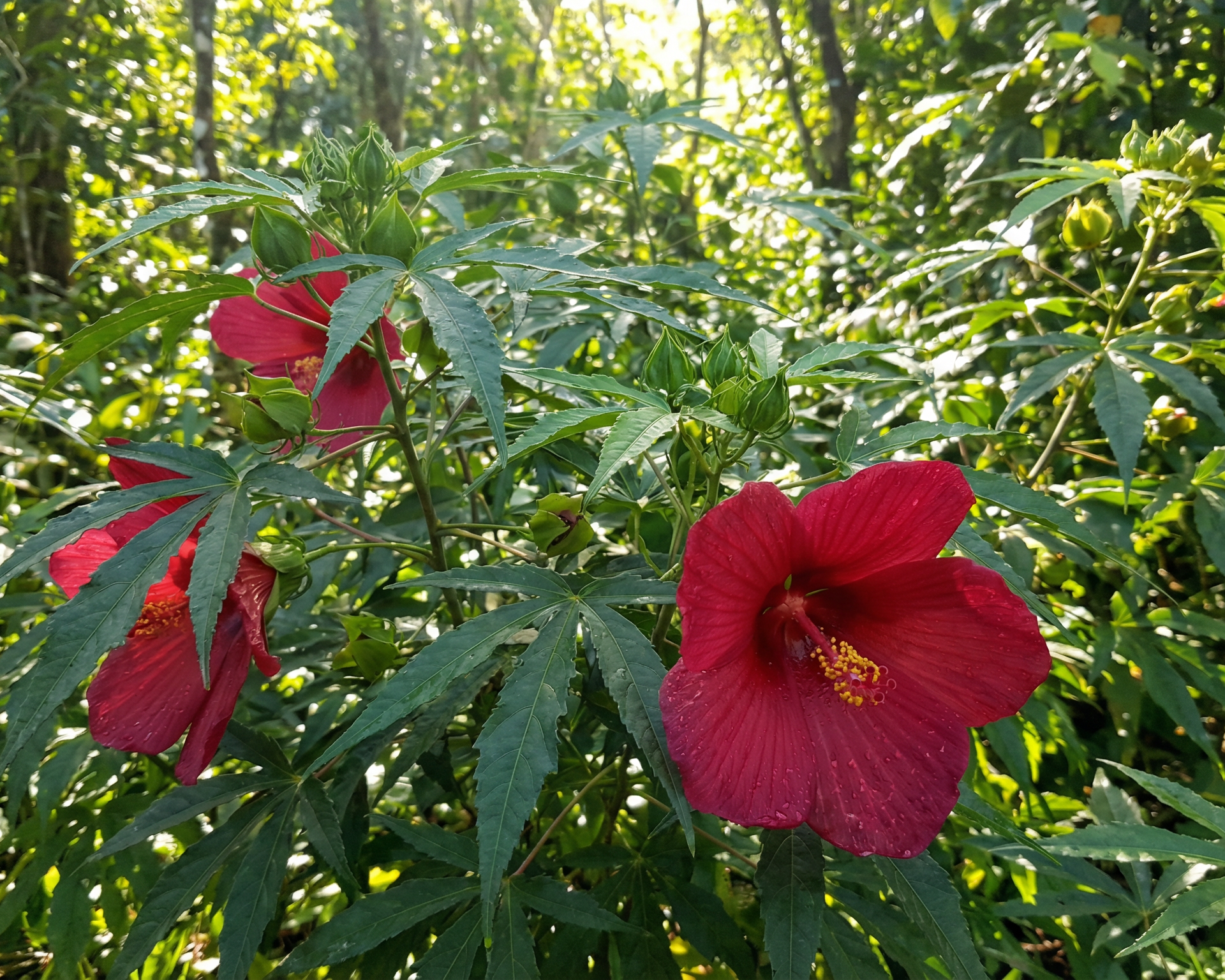
Hibiscus spp.
Hibiscus is a genus of flowering plants in the mallow family, Malvaceae. It is a large genus, comprising several hundred species that are native to warm-temperate, subtropical, and tropical regions throughout the world. Read more
41 nurseries · 392 matching options
Choose a city or ZIP to find nearby growers. Showing nationwide listings until you choose an area.
On siteDefuniak Springs, FL
42options
Listed as “Rose of Sharon ‘Morning Star’”
From $4.25
Catalog checked Nov 15, 2026. Confirm availability before visiting.
 On site
Portland, OR
26options
Listed as “Hibiscus moscheutos Luna Pink Swirl 1gal”
Call for pricing
Catalog checked Nov 15, 2026. Confirm availability before visiting.
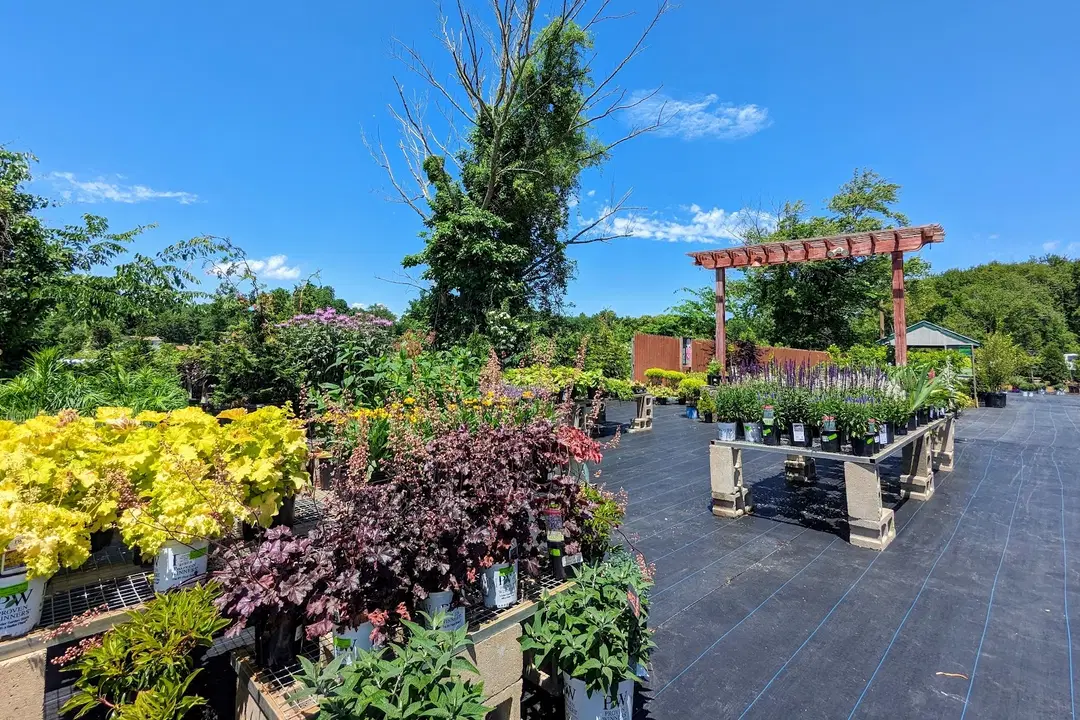 On site
Bolton, CT
1option
Listed as “HIBISCUS MOSCHEUTOS”
$60.00
Catalog checked Nov 15, 2026. Confirm availability before visiting.
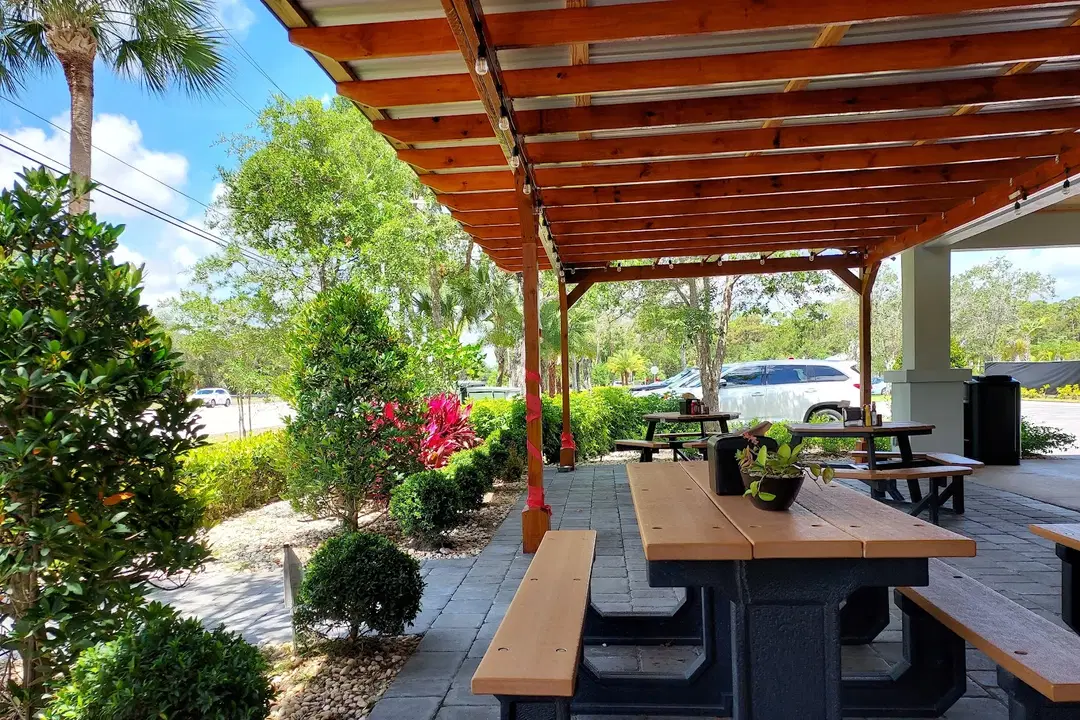 On site
Vero Beach, FL
10options
Listed as “White Wing Hibiscus”
From $17.99
Catalog checked Nov 15, 2026. Confirm availability before visiting.
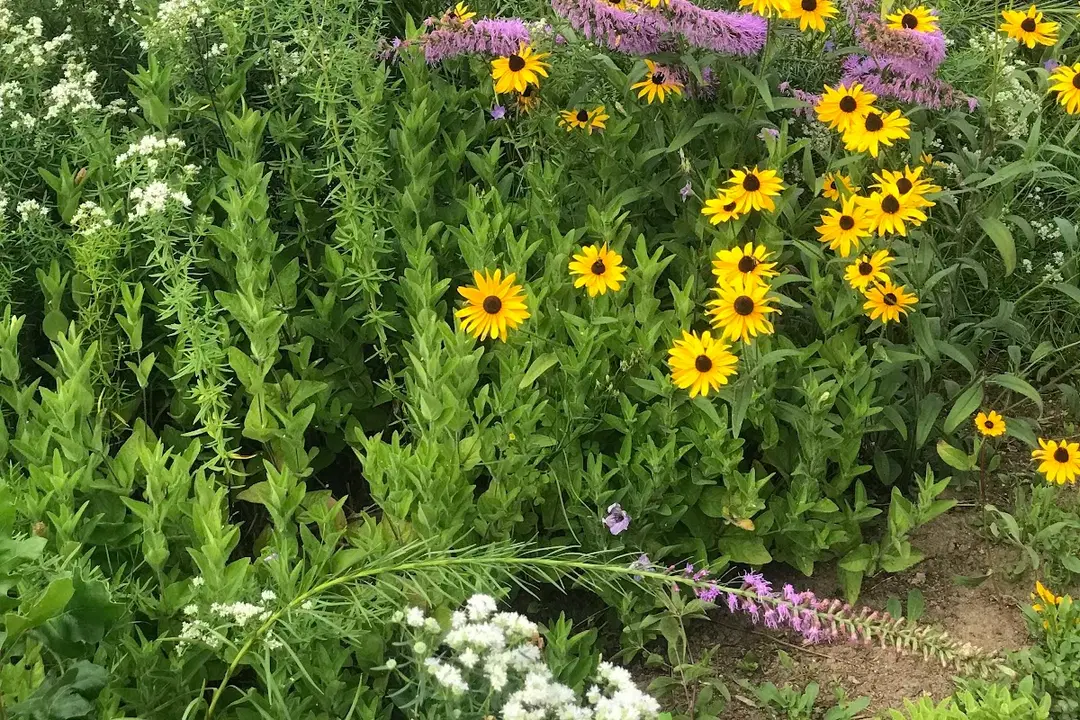 On site
Laingsburg, MI
1option
Listed as “Hibiscus, Hibiscus Moscheutos”
$5.00
Catalog checked Nov 15, 2026. Confirm availability before visiting.
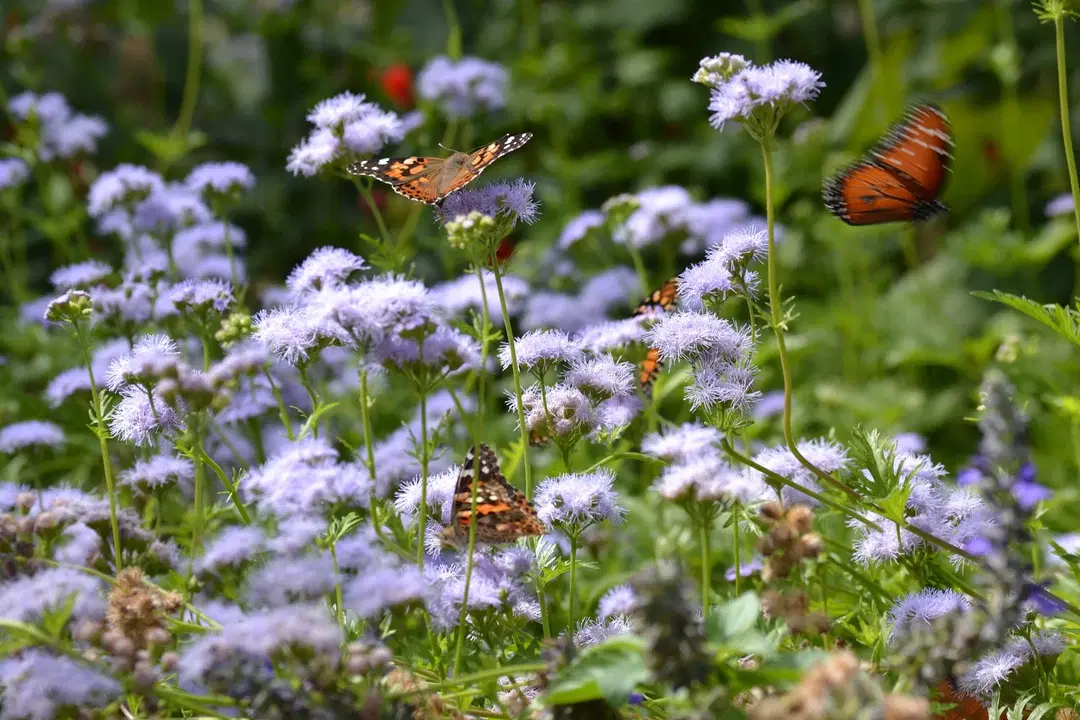 On site
Fort Worth, TX
3options
Listed as “Hibiscus laevis (Halberdleaf Hibiscus)”
Call for pricing
Catalog checked Nov 15, 2026. Confirm availability before visiting.
 On site
Enterprise, FL
1option
Listed as “Hibiscus Grandiflorus "Swamp Rosemallow"”
Call for pricing
Catalog checked Nov 15, 2026. Confirm availability before visiting.
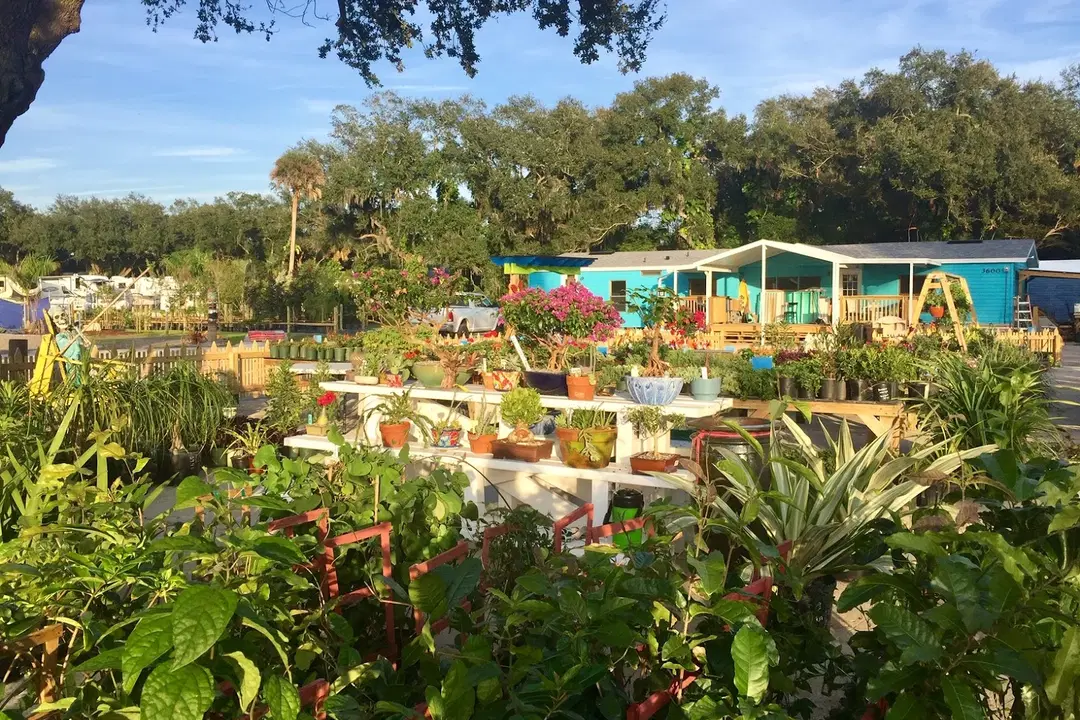 On site
Cocoa, FL
81options
Listed as “Hibiscus Shrubs”
From $17.95
Catalog checked Nov 15, 2026. Confirm availability before visiting.
Showing 1 to 8 of 41 nurseries
Load more nurseriesExplore the complete plant collection, including varieties with no nursery listings yet.
Not yet listed: Archer, Buck Pink, Kagawa, Mahogany Splendor, Rico, Victor, Whitten, Zinger Hibiscus
0 nurseries listed
Hibiscus is a genus of flowering plants in the mallow family, Malvaceae. It is a large genus, comprising several hundred species that are native to warm-temperate, subtropical, and tropical regions throughout the world. Member species are renowned for their large, showy flowers and are commonly known simply as hibiscus, or less widely as rose mallow. The genus includes both annual and perennial herbaceous plants, as well as woody shrubs and small trees. The leaves are alternate, ovate to lanceolate, often with a toothed or lobed margin. The flowers are large, conspicuous, trumpet-shaped, with five or more petals, and their color can range from white to pink, red, blue, orange, peach, yellow or purple.
The key characteristic of the Hibiscus genus is its distinctive flower structure. The stamens are fused into a tube-like structure called a staminal column, which is a unique feature of the Malvaceae family. The fruit of the hibiscus plant is a dry, five-lobed capsule, containing several seeds in each lobe, which are released when the capsule dehisces (splits open) at maturity. The plants have a deep taproot, which helps them to be drought-tolerant. The leaves are typically dark green and glossy, providing an attractive backdrop to the vibrant flowers.
Hibiscus has a wide range of uses and cultural significance. Many species are grown as ornamental plants for their beautiful flowers. Hibiscus sabdariffa is cultivated for its calyces, which are used to make a popular herbal tea that is consumed worldwide. This tea is known for its tart, cranberry-like flavor and is rich in vitamin C. In various cultures, the flowers of Hibiscus rosa-sinensis hold cultural and religious significance. For example, in India, the flowers are used in Hindu religious ceremonies. Some species of hibiscus have also been used in traditional medicine to treat a variety of ailments. Furthermore, the bark of some species contains strong fibers that have been used to make ropes and paper.
In terms of cultivation, most hibiscus species thrive in full sun and well-drained soil. They require regular watering, especially during the growing season, but should not be overwatered. Depending on the species and climate, hibiscus can be grown as a perennial or an annual. In colder climates, tropical hibiscus varieties are often grown in containers and brought indoors during the winter. Pruning is beneficial for maintaining the shape of the plant and encouraging more prolific blooming. Hibiscus plants are susceptible to pests such as aphids and spider mites, so regular inspection and treatment are recommended to keep the plants healthy.