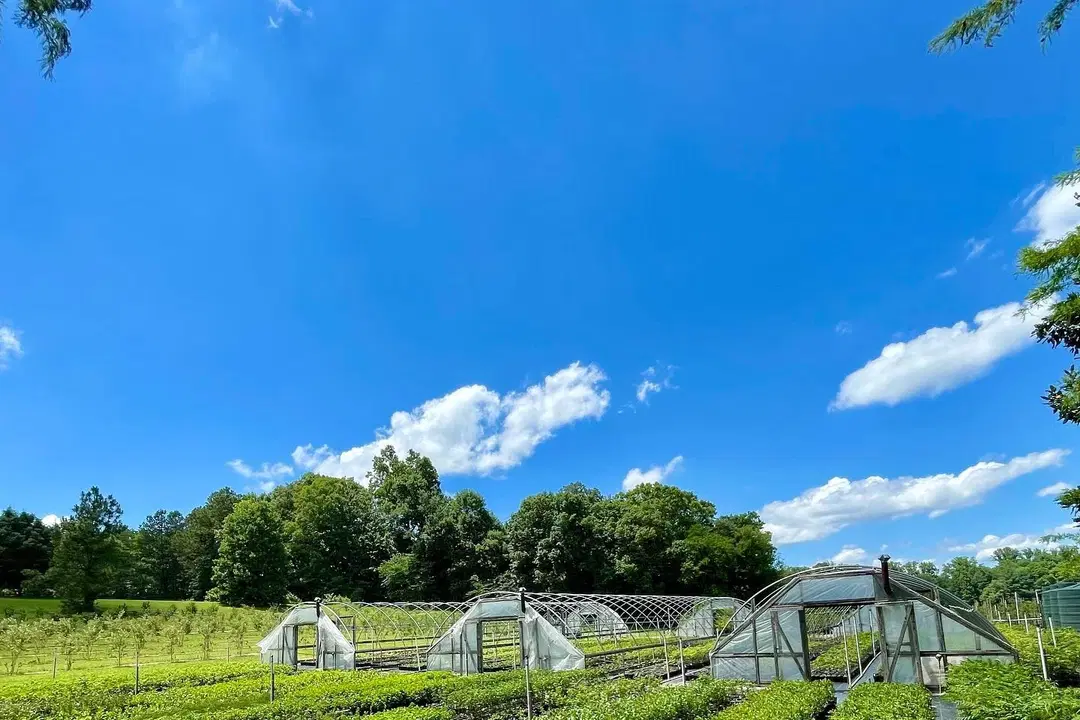
 On site
Native Forest Nursery
Chatsworth, GA
9options
Listed as “Carya illinoinensis ~ Pecan”
Variety not confirmedBare root · 24-36 in tallLowest priced listingFrom $35.00
Catalog checked Nov 15, 2026. Confirm availability before visiting.
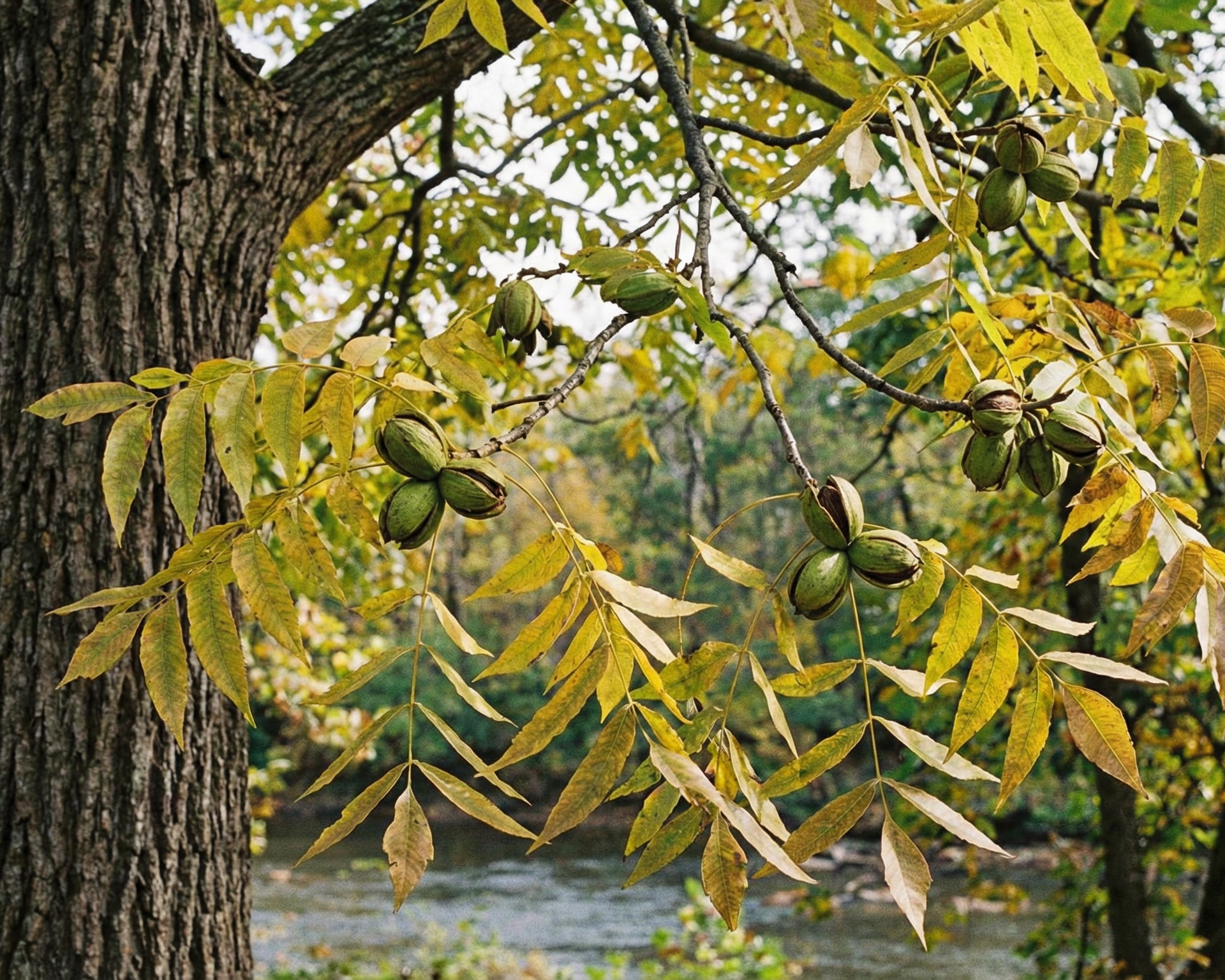
Carya illinoinensis
Pecan (Carya illinoinensis) is a large deciduous tree native to North America, belonging to the hickory genus, Carya, and the walnut family, Juglandaceae. It is the largest of the hickories and is renowned for its sweet, edible nuts. Read more
31 nurseries · 168 matching options
On siteChatsworth, GA
9options
Listed as “Carya illinoinensis ~ Pecan”
From $35.00
Catalog checked Nov 15, 2026. Confirm availability before visiting.
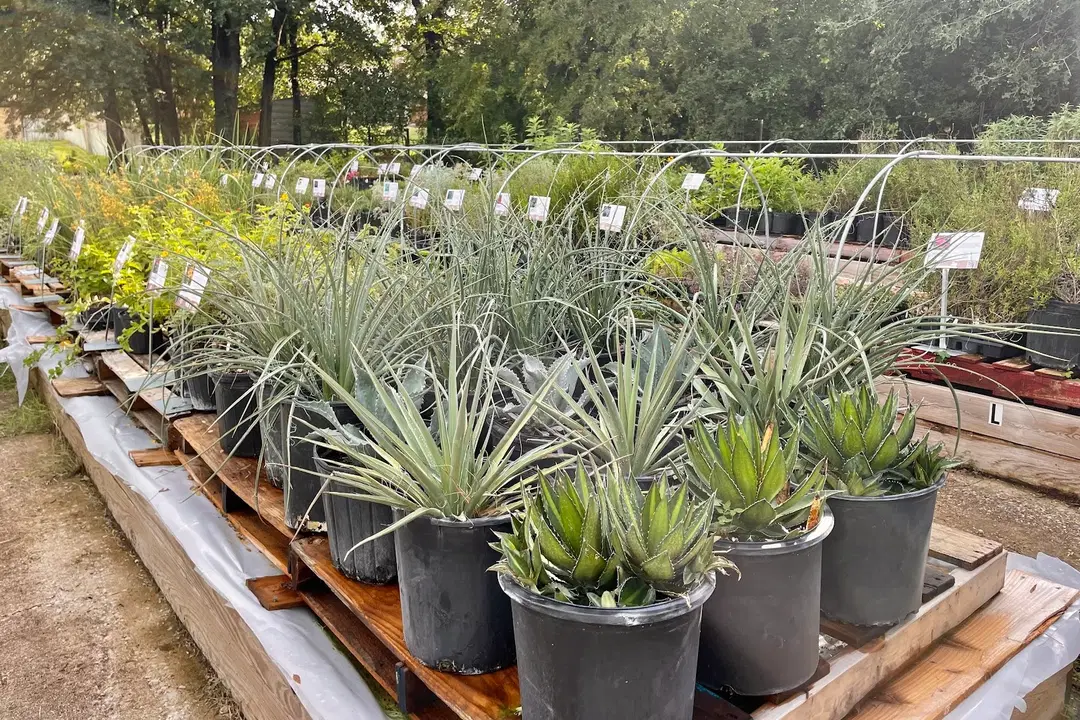 On site
Arlington, TX
2options
Listed as “Pecan”
Call for pricing
Catalog checked Nov 15, 2026. Confirm availability before visiting.
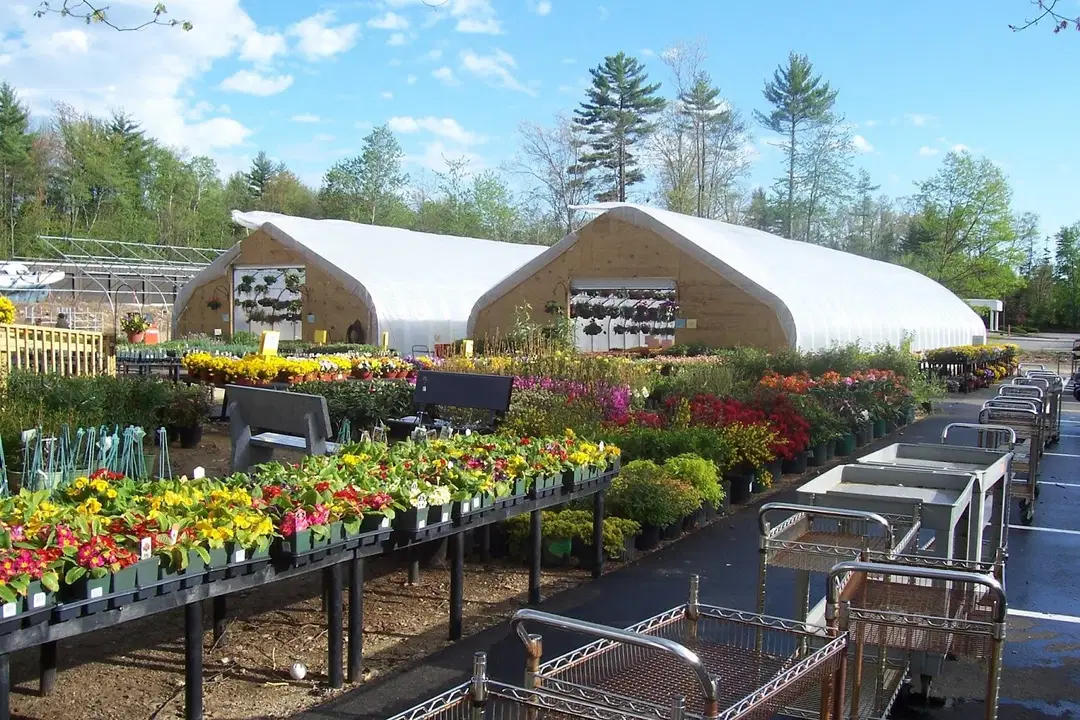 On site
Pembroke, NH
2options
Listed as “Pecan Tree (CARYA ILLINOINENSIS) – 3 gallon RP”
From $151.99
Catalog checked Nov 15, 2026. Confirm availability before visiting.
 On site
Crown Point, IN
1option
Listed as “Labbette Pecan Tree (CARYA ILLINOINENSIS LABBETTE) - 3 gallon RP”
Call for pricing
Catalog checked Nov 1, 2026. Confirm availability before visiting.
 Plants they list
Stanford, KY
3options
Listed as “Pecan Tree Seedlings”
From $24.99
Catalog checked Nov 15, 2026. Confirm availability before visiting.
 On site
La Plata, MO
2options
Listed as “Northern Pecan, Carya illinoiensis Zones 5-9”
From $20.00
Catalog checked Nov 15, 2026. Confirm availability before visiting.
 On site
Monticello, FL
50options
Listed as “Pecan Trees - Amling (Type 1)”
From $39.95
Catalog checked Nov 15, 2026. Confirm availability before visiting.
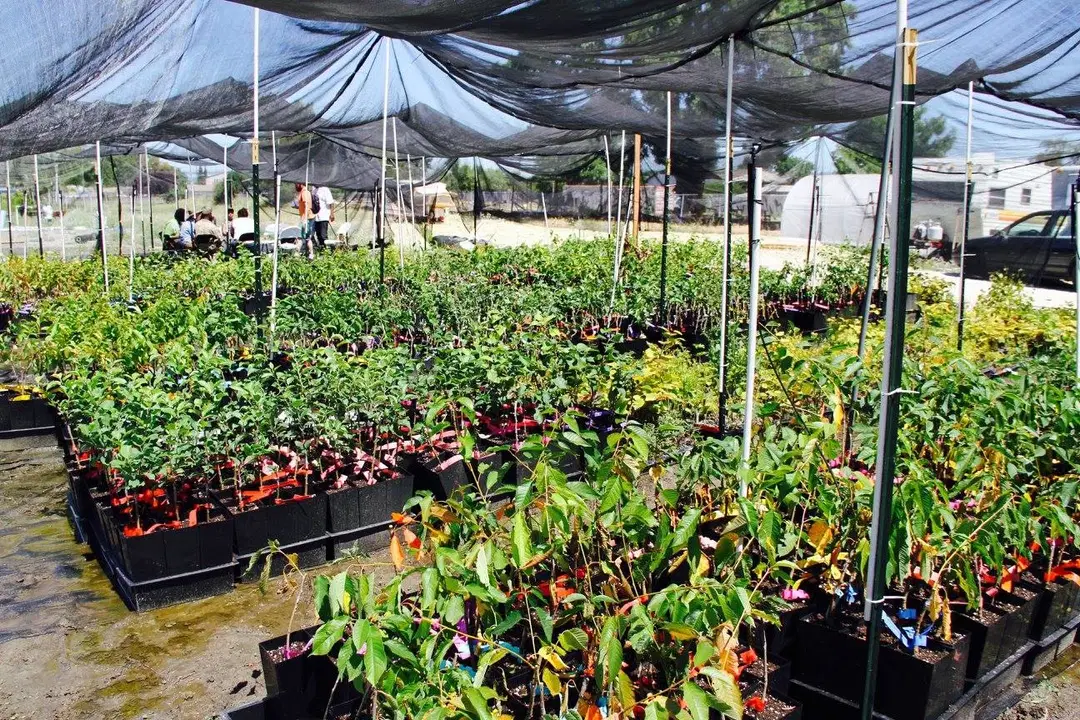 On site
Oakland, CA
4options
Listed as “Hardy Northern Pecan Seedlings”
Call for pricing
Catalog checked Nov 15, 2026. Confirm availability before visiting.
Showing 17 to 24 of 31 nurseries
Load more nurseriesExplore the complete plant collection, including varieties with no nursery listings yet.
Pecan (Carya illinoinensis) is a large deciduous tree native to North America, belonging to the hickory genus, Carya, and the walnut family, Juglandaceae. It is the largest of the hickories and is renowned for its sweet, edible nuts. The name "pecan" is derived from an Algonquin word that refers to pecans, walnuts, and hickory nuts. While several species of hickory exist, the pecan is the most commercially important and widely recognized, especially in the United States, where it holds the title of state tree in Texas and state nut in several states including Alabama, Arkansas, California, and Louisiana.
Reaching heights of 70 to 100 feet, with some specimens growing as tall as 150 feet, the pecan tree has a massive trunk and a symmetrical, broadly oval crown. Its leaves are alternate and pinnately compound, with 9 to 17 pointed leaflets. The tree produces monoecious flowers in the spring, with male flowers in drooping catkins and female flowers in short spikes. The fruit is technically a drupe, not a true nut, with a single stone or pit encased in a thin husk that splits open at maturity to release the familiar pecan nut.
Pecans are highly valued for their rich, buttery flavor and are used in a variety of culinary applications, most famously in pecan pie, a traditional dessert of the southern United States. They are also a popular snack food and an ingredient in candies like pralines, as well as in cookies, cakes, and ice creams. Beyond its culinary uses, pecan wood is utilized in furniture making and as a flavorful wood for smoking meats. The tree itself is a popular shade tree for large landscapes, parks, and recreational areas.
Hardy in USDA zones 5 through 9, the pecan tree thrives in full sun and prefers rich, moist, well-drained soils. It is tolerant of a range of soil types, including clay, sand, and loam, and has a good tolerance for drought once established. Due to a deep taproot, it can be difficult to transplant. For nut production, it is recommended to plant at least two different cultivars to ensure proper cross-pollination. While generally low-maintenance, pecan trees can be susceptible to various pests and diseases, such as pecan scab, which can be managed with resistant cultivars and proper care.