Plants sold by the nurseries, not by us. Confirm availability with the grower.

Pomegranate
Sun
Full Sun
Water
Low, Drought Tolerant
USDA zones
7-11

Pomegranate

Punica granatum

18 named varieties50 nurseries nationwideLifecyclePerennial

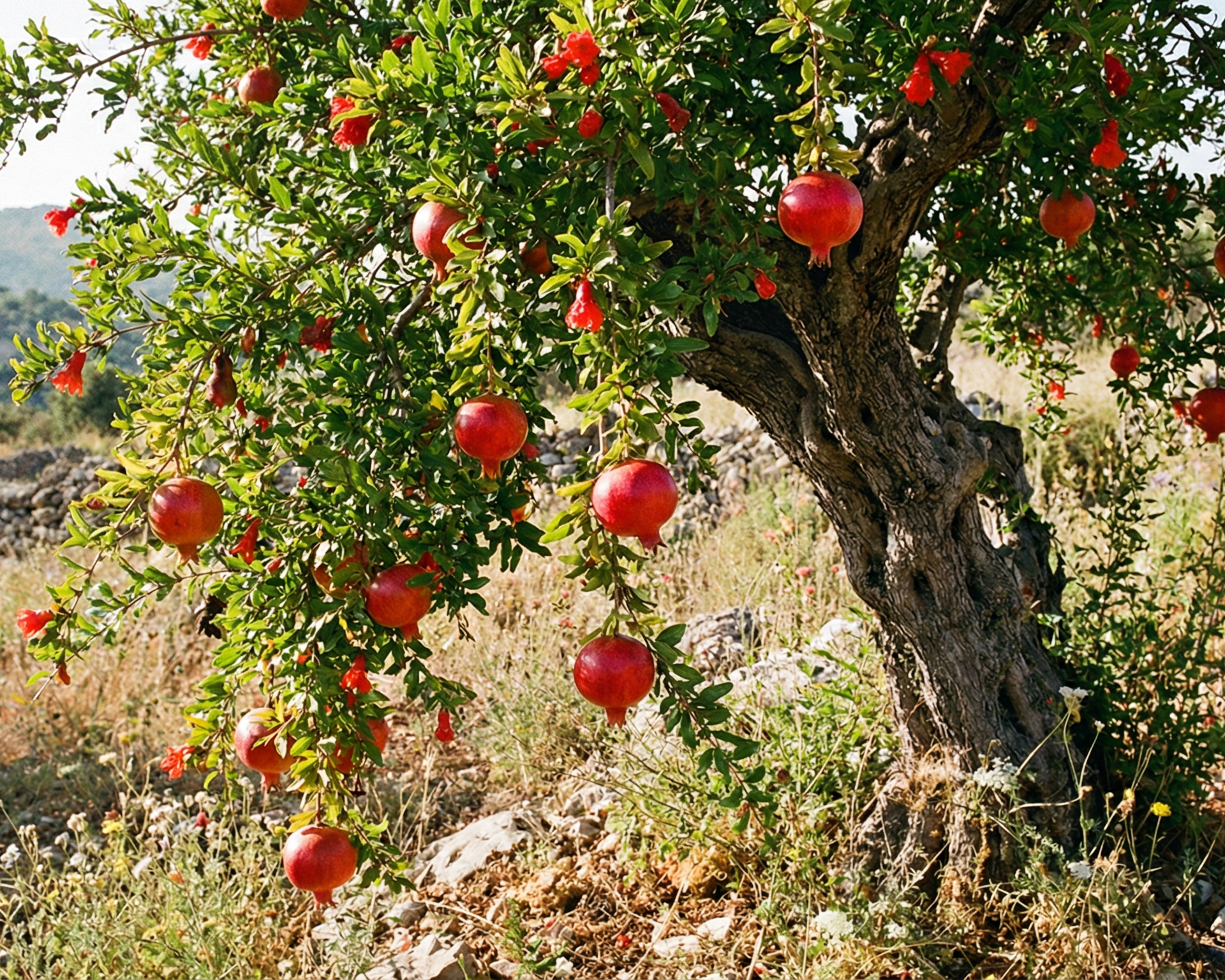
The genus Punica, most famously known as the Pomegranate, is a small but significant group of fruit-bearing deciduous shrubs or small trees. While the genus consists of two species, it is the common pomegranate, Punica granatum, that is widely cultivated and celebrated globally. Read more

Compare nurseries

50 nurseries · 492 matching options

Choose a city or ZIP to find nearby growers. Showing nationwide listings until you choose an area.

  • Scenic Hill Farm Nursery in Albany, OR, on siteOn site

    4options

    • Listed as “Wonderful pomegranate - Punica granatum - 5 inch deep pot - 18-28 inches tall”

      Variety not confirmed5 in potOne of 4 nursery listings

      Call for pricing

    Catalog checked Nov 15, 2026. Confirm availability before visiting.

  • Plants they list

    Simply Trees, LLC

    Winnsboro, TX

    2options

    • Listed as “Texas Pink Pomegranate Tree”

      Variety not confirmed60-72 in tallOne of 2 nursery listings

      Call for pricing

    Catalog checked Nov 15, 2026. Confirm availability before visiting.

  • Texas Tree Farms in Waxahachie, TX, on siteOn site

    Texas Tree Farms

    Waxahachie, TX

    3options

    • Listed as “Pomegranate Wonderful”

      Variety not confirmed3 galOne of 3 nursery listings

      Call for pricing

    Catalog checked Nov 15, 2026. Confirm availability before visiting.

Showing 41 to 48 of 50 nurseries

Variety guides

Explore the complete plant collection, including varieties with no nursery listings yet.

About Pomegranate

The genus Punica, most famously known as the Pomegranate, is a small but significant group of fruit-bearing deciduous shrubs or small trees. While the genus consists of two species, it is the common pomegranate, Punica granatum, that is widely cultivated and celebrated globally. Native to the region stretching from modern-day Iran to the Himalayas, the pomegranate has been domesticated for millennia and is now grown in arid and subtropical climates worldwide, including the Mediterranean Basin, Southeast Asia, and California.

The pomegranate plant is characterized by its dense, bushy growth habit, typically reaching a height of 5 to 10 meters. It has glossy, leathery leaves and striking, trumpet-shaped flowers that are a vibrant reddish-orange. The plant's most prized feature is its fruit, a spherical berry with a tough, leathery rind that ranges in color from yellow-orange to deep red. Internally, the fruit is divided into compartments by membranous walls, each containing numerous seeds encased in a sweet, juicy pulp known as an aril. This unique structure sets the pomegranate apart from other fruits.

Beyond its culinary appeal, the pomegranate holds deep cultural and medicinal significance. The fruit is a rich source of antioxidants, vitamins, and minerals, and its juice is a popular health beverage. In traditional medicine, various parts of the plant, including the fruit, bark, and flowers, have been used to treat a wide range of ailments. The pomegranate also features prominently in mythology, religious texts, and art, symbolizing fertility, abundance, and eternal life in many cultures. Its drought tolerance and long-fruiting season make it a valuable plant in permaculture and sustainable agriculture.