Advanced Nursery Growers
Defuniak Springs, FL
4 options
From $20.00
Catalog checked Oct 1, 2026. Confirm availability before visiting.
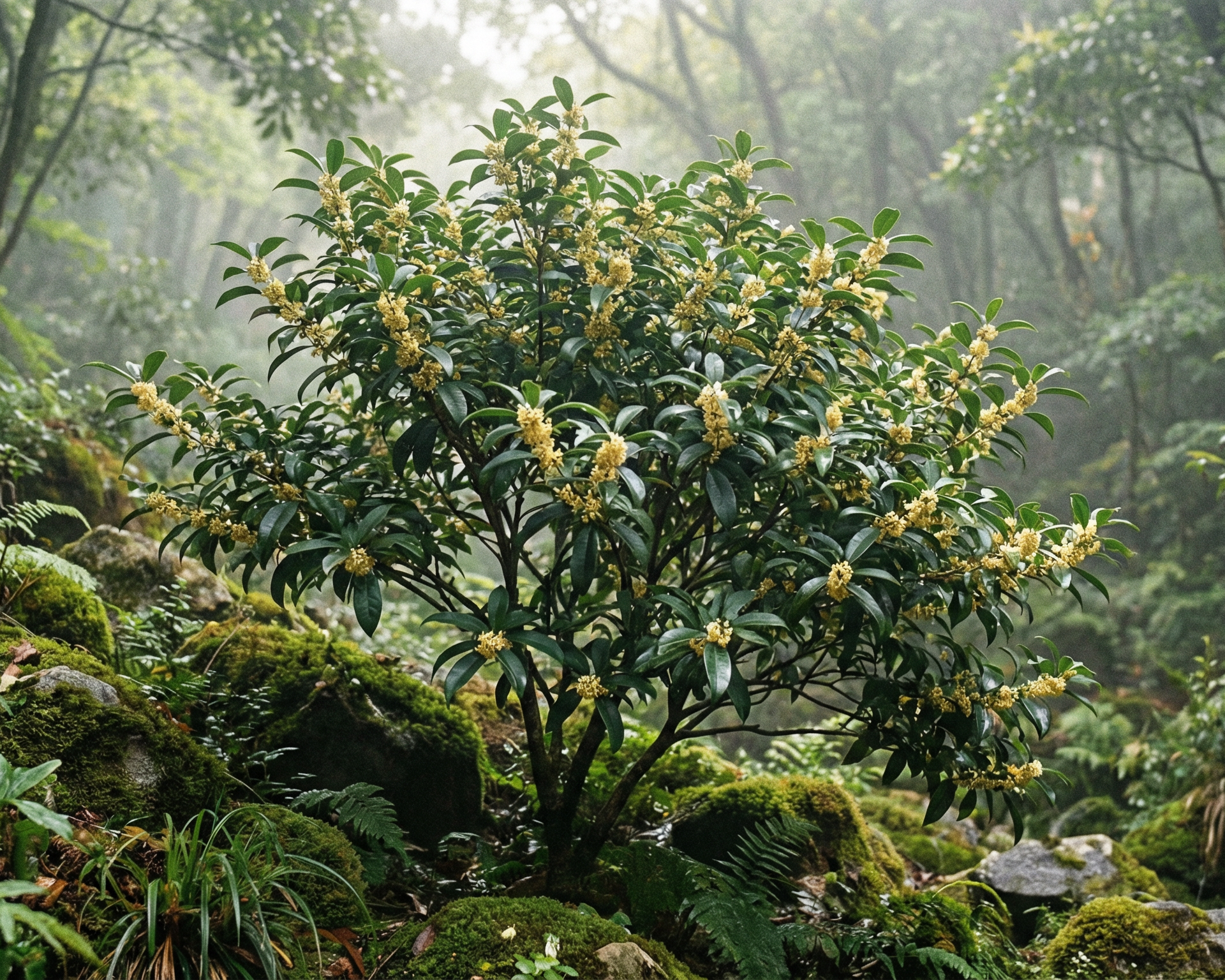
Osmanthus spp.
14 nurseries listed
14 nurseries · 54 matching options
Defuniak Springs, FL
4 options
From $20.00
Catalog checked Oct 1, 2026. Confirm availability before visiting.
Rancho Cucamonga, CA
5 options
Call for pricing
Catalog checked Oct 1, 2026. Confirm availability before visiting.
Portland, OR
1 option
Call for pricing
Catalog checked Oct 4, 2026. Confirm availability before visiting.
Bolton, CT
2 options
From $58.00
Catalog checked Oct 1, 2026. Confirm availability before visiting.
Crawfordville, FL
1 option
From $19.99
Catalog checked Oct 1, 2026. Confirm availability before visiting.
Stanwood, WA
4 options
Call for pricing
Catalog checked Oct 1, 2026. Confirm availability before visiting.
Liberty, SC
6 options
Call for pricing
Catalog checked Oct 4, 2026. Confirm availability before visiting.
Crown Point, IN
1 option
Call for pricing
Catalog checked Oct 4, 2026. Confirm availability before visiting.
Showing 1–8 of 14 nurseries
Load more nurseriesOsmanthus, commonly known as Tea Olive, is a genus of about 30 species of evergreen shrubs and small trees in the olive family, Oleaceae. Native to eastern Asia, these plants are highly prized for their small, yet intensely fragrant flowers, which fill the air with a delightful scent reminiscent of peaches or apricots. Tea Olives are versatile landscape plants, often used as hedges, screens, or standalone specimens, particularly near windows and outdoor living spaces where their fragrance can be appreciated. The key characteristics of Tea Olive plants include their dense, branching structure and attractive foliage. The leaves are typically simple, opposite, and leathery, with a glossy dark green color. Some species have toothed leaf margins, giving them a holly-like appearance and earning them the name "False Holly." The plants range in size from compact shrubs to small trees reaching up to 12 meters in height. Their growth rate is generally slow to moderate. The flowers, though not visually spectacular, are the main attraction, blooming in small clusters along the stems, usually in the fall, and sometimes reblooming in other seasons. Beyond their ornamental value, Tea Olives hold significant cultural and practical importance, especially in their native regions. The fragrant blossoms are famously used to infuse tea, creating the popular Osmanthus tea, and are also incorporated into a variety of culinary creations, including jams, liqueurs, and sweet pastries. In traditional Chinese medicine, various parts of the plant have been used to treat ailments ranging from coughs to digestive issues. The flower's sweet, captivating aroma is also extracted for use in perfumes and aromatherapy, symbolizing love and good fortune in many Asian cultures.