 On site
Advanced Nursery Growers
Defuniak Springs, FL
4options
Listed as “Tea Olive”
Variety not confirmed3 galLowest priced listingFrom $20.00
Catalog checked Nov 15, 2026. Confirm availability before visiting.
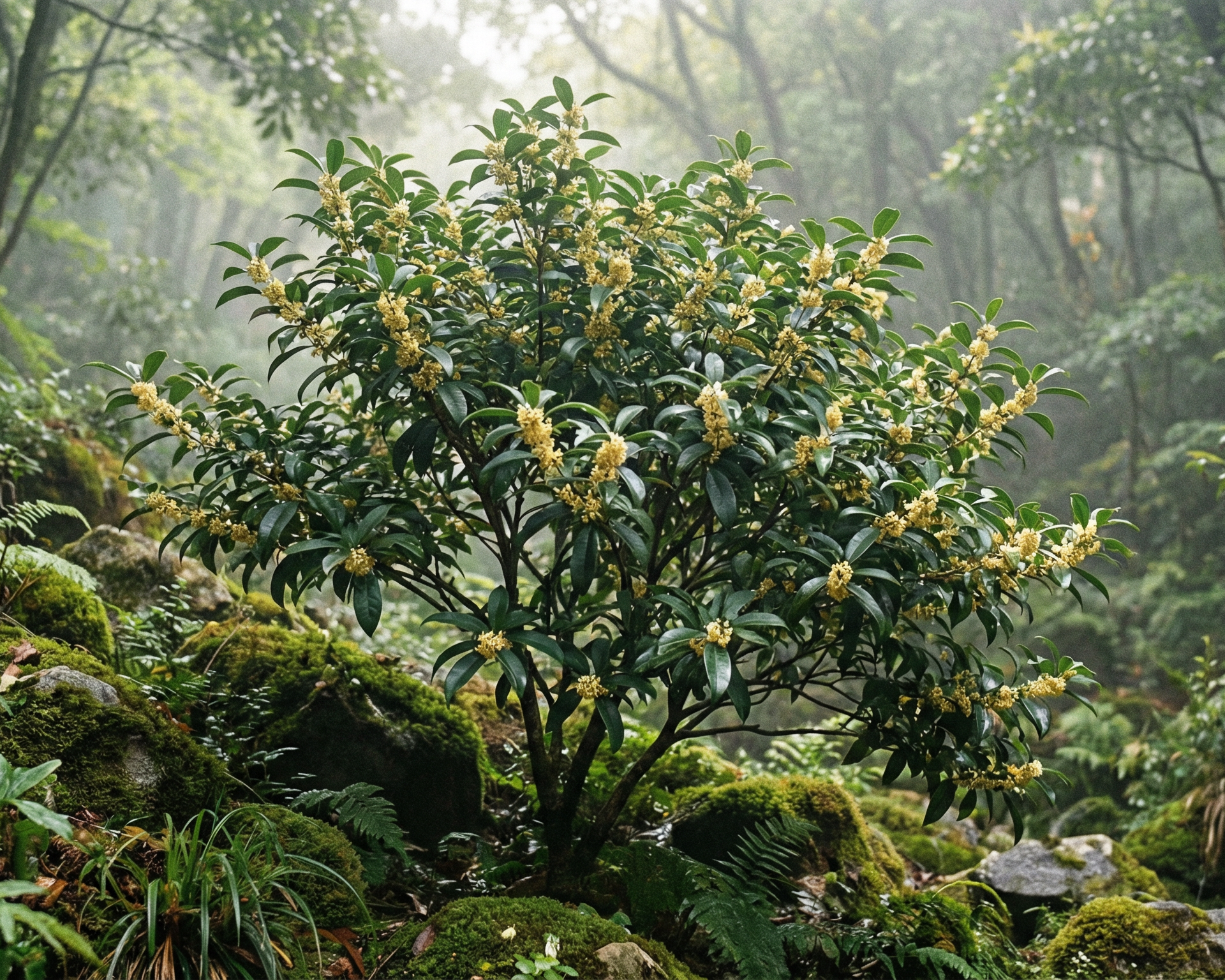
Osmanthus spp.
Osmanthus, commonly known as Tea Olive, is a genus of about 30 species of evergreen shrubs and small trees in the olive family, Oleaceae. Read more
14 nurseries · 57 matching options
Choose a city or ZIP to find nearby growers. Showing nationwide listings until you choose an area.
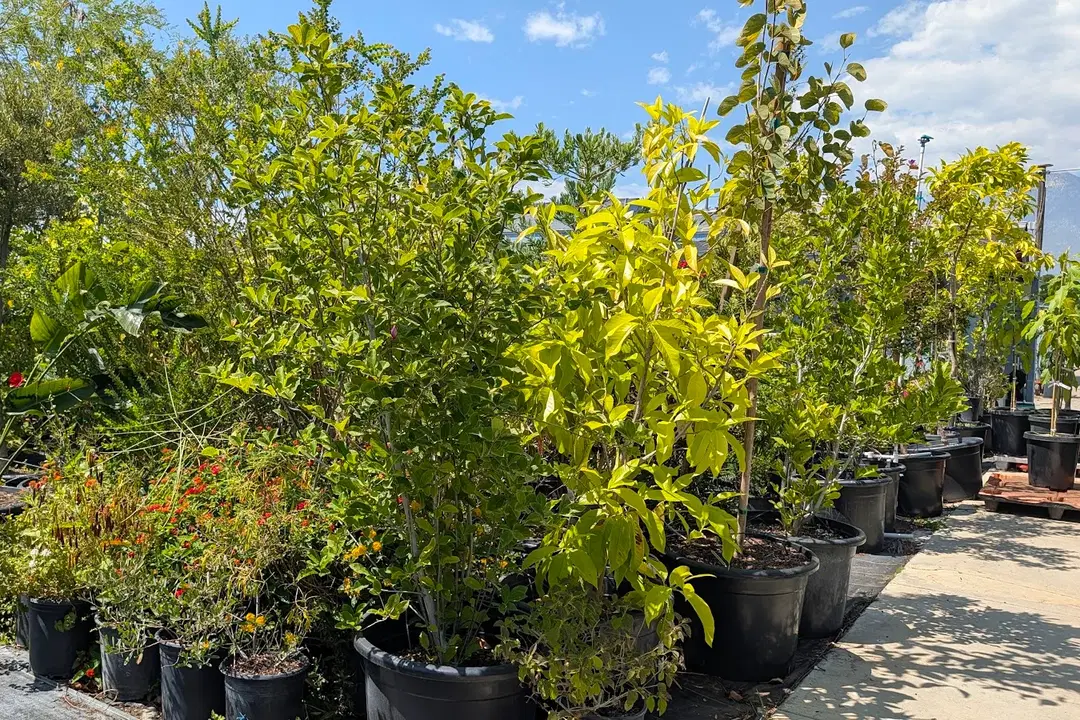
On siteDefuniak Springs, FL
4options
Listed as “Tea Olive”
From $20.00
Catalog checked Nov 15, 2026. Confirm availability before visiting.
 On site
Rancho Cucamonga, CA
5options
Listed as “White Osmanthus Fragrans”
Call for pricing
Catalog checked Nov 15, 2026. Confirm availability before visiting.
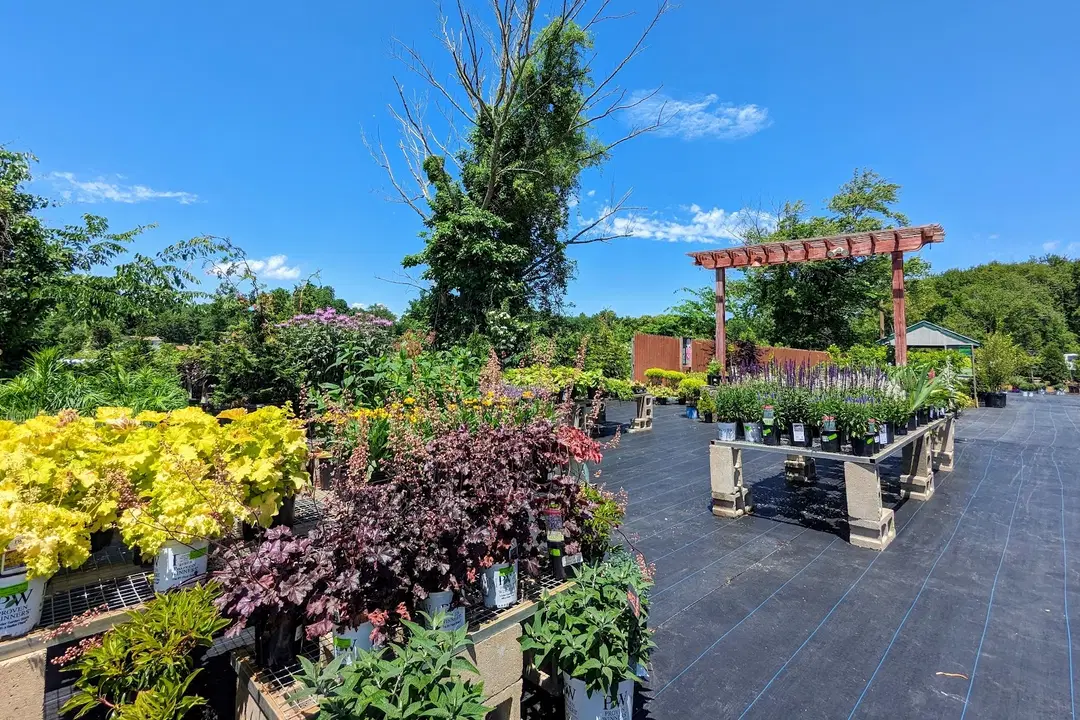
 On site
Portland, OR
2options
Listed as “Osmanthus heterophyllus Party Lights 2gal”
Call for pricing
Catalog checked Nov 15, 2026. Confirm availability before visiting.
 On site
Bolton, CT
2options
Listed as “OSMANTHUS HETEROPHYLLUS `GOSHIKI`”
From $58.00
Catalog checked Nov 15, 2026. Confirm availability before visiting.
 Plants they list
Crawfordville, FL
1option
Listed as “Tea Olive Tree”
$19.99
Catalog checked Nov 15, 2026. Confirm availability before visiting.
 On site
Stanwood, WA
4options
Listed as “Osmanthus delavayi (Sweet Olive)”
Call for pricing
Catalog checked Nov 15, 2026. Confirm availability before visiting.
 Plants they list
Liberty, SC
6options
Listed as “Osmanthus fragrans ~ Fragrant Tea Olive, Sweet Olive”
Call for pricing
Catalog checked Nov 15, 2026. Confirm availability before visiting.
 On site
Crown Point, IN
1option
Listed as “Fragrant Tea Olive Sweet Osmanthus (Osmanthus fragrans) - 3 gallon”
Call for pricing
Catalog checked Nov 1, 2026. Confirm availability before visiting.
Showing 1 to 8 of 14 nurseries
Load more nurseriesOsmanthus, commonly known as Tea Olive, is a genus of about 30 species of evergreen shrubs and small trees in the olive family, Oleaceae. Native to eastern Asia, these plants are highly prized for their small, yet intensely fragrant flowers, which fill the air with a delightful scent reminiscent of peaches or apricots. Tea Olives are versatile landscape plants, often used as hedges, screens, or standalone specimens, particularly near windows and outdoor living spaces where their fragrance can be appreciated.
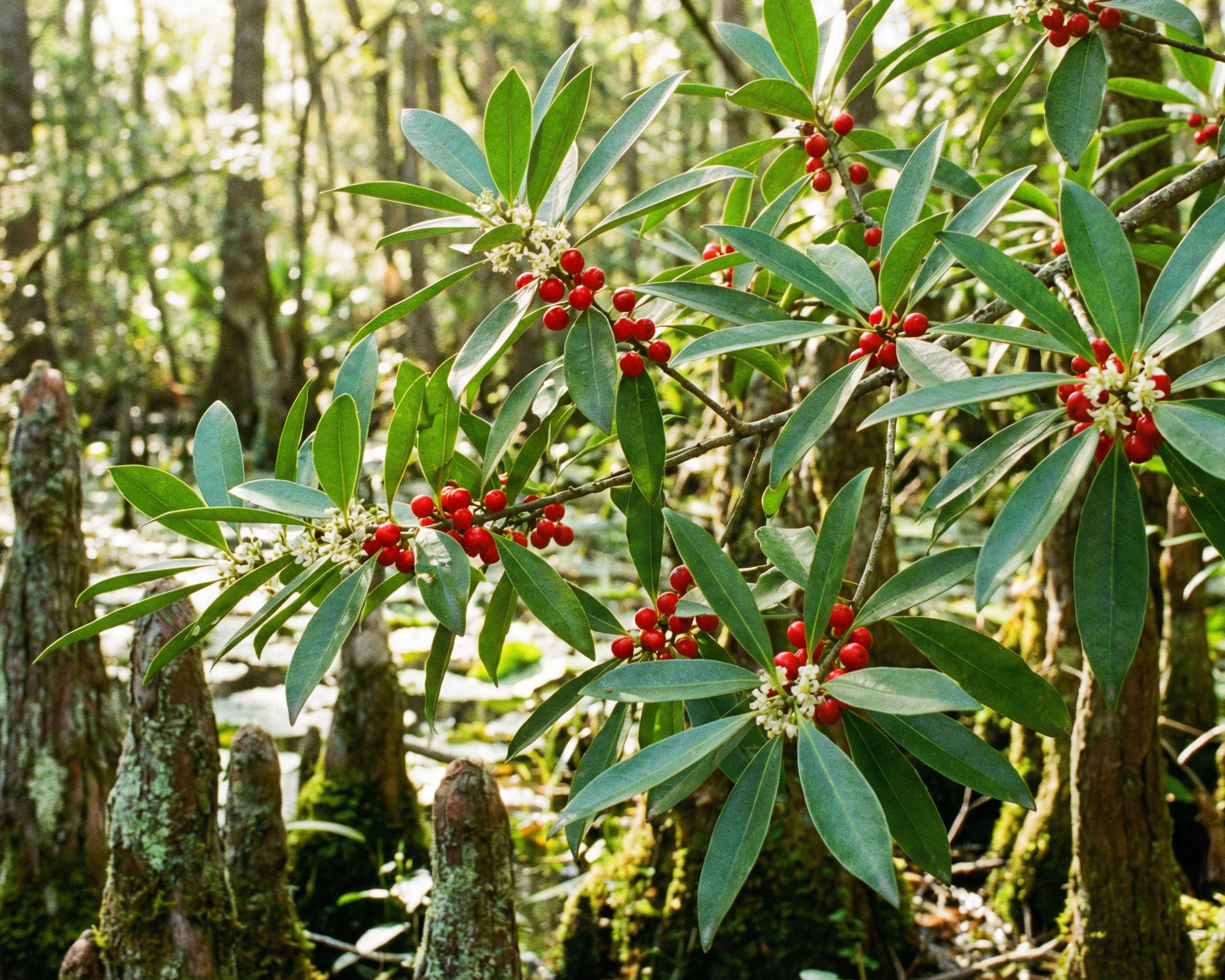
The key characteristics of Tea Olive plants include their dense, branching structure and attractive foliage. The leaves are typically simple, opposite, and leathery, with a glossy dark green color. Some species have toothed leaf margins, giving them a holly-like appearance and earning them the name "False Holly." The plants range in size from compact shrubs to small trees reaching up to 12 meters in height. Their growth rate is generally slow to moderate. The flowers, though not visually spectacular, are the main attraction, blooming in small clusters along the stems, usually in the fall, and sometimes reblooming in other seasons.
Beyond their ornamental value, Tea Olives hold significant cultural and practical importance, especially in their native regions. The fragrant blossoms are famously used to infuse tea, creating the popular Osmanthus tea, and are also incorporated into a variety of culinary creations, including jams, liqueurs, and sweet pastries. In traditional Chinese medicine, various parts of the plant have been used to treat ailments ranging from coughs to digestive issues. The flower's sweet, captivating aroma is also extracted for use in perfumes and aromatherapy, symbolizing love and good fortune in many Asian cultures.